24 Hours Hotline: +86 137-3541-1378
Email:[email protected]
24 Hours Hotline: +86 137-3541-1378
Email:[email protected]
Xi’an, once known as Chang’an in ancient times, is not only one of the four ancient capitals of China but also the undisputed starting point of the ancient Silk Road. For over 2,000 years, this city has witnessed the prosperity of East-West trade, the integration of diverse cultures, and the mutual exchange of civilizations along the Silk Road. This travel guide is tailored for foreign tourists, aiming to lead you to explore the profound connection between Xi’an and the Silk Road, from the magnificent historical sites to the lingering cultural customs, from the delicious food carrying the memory of the Silk Road to the practical travel tips that make your trip smooth. Whether you are a history enthusiast, a culture lover, or a food explorer, you can find your own surprises in this ancient starting city.
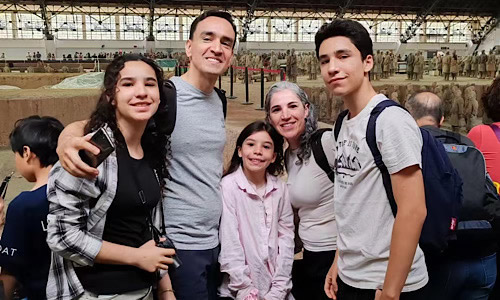 Xi'an Day Tour Package: Premier Private Fully Guided Tour with Terracotta Warriors & Xi'an Highlights
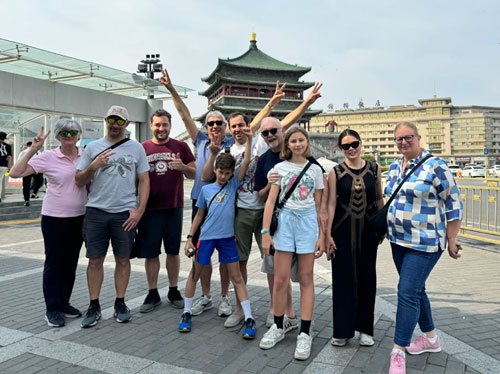 Smooth Xi'an to Luoyang Day Tour: Enjoy a Comfortable & Efficient High-Speed Train Trip to Longmen Grottoes and Shaolin Temple
Overview
Xi’an: The Birthplace and Core of the Silk Road
The Origin of the Silk Road and Xi’an’s Status
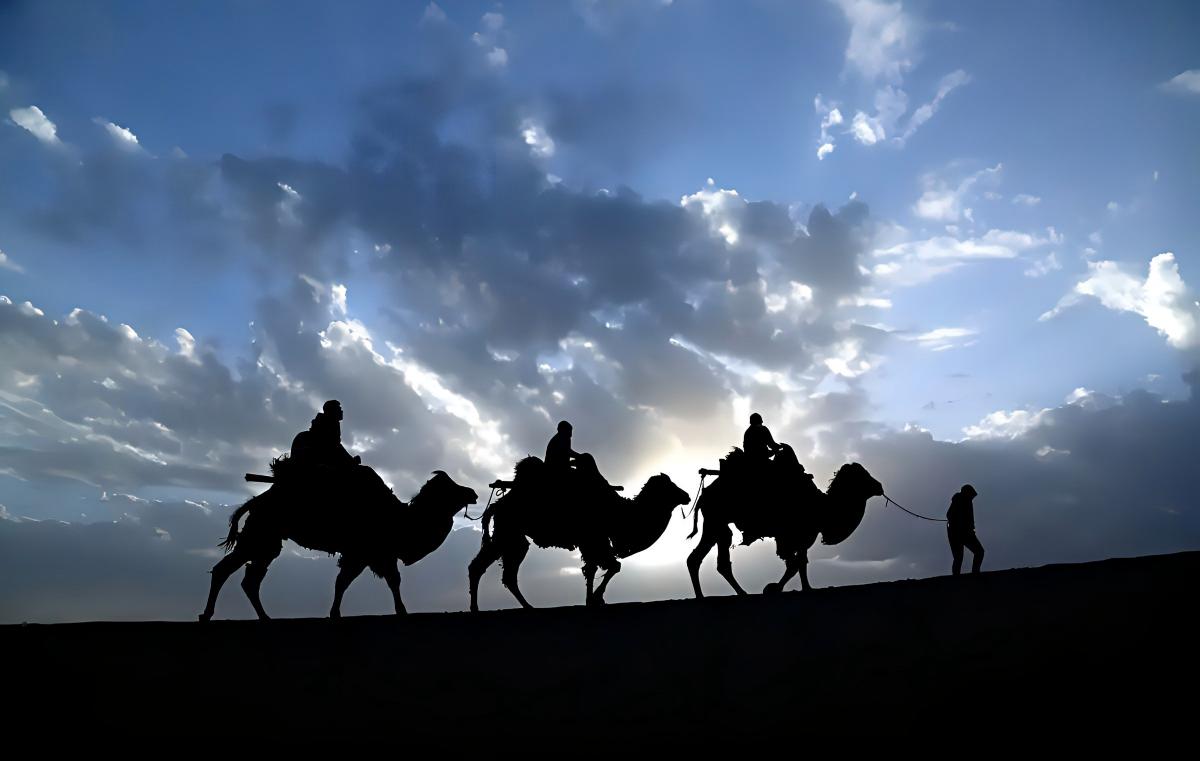
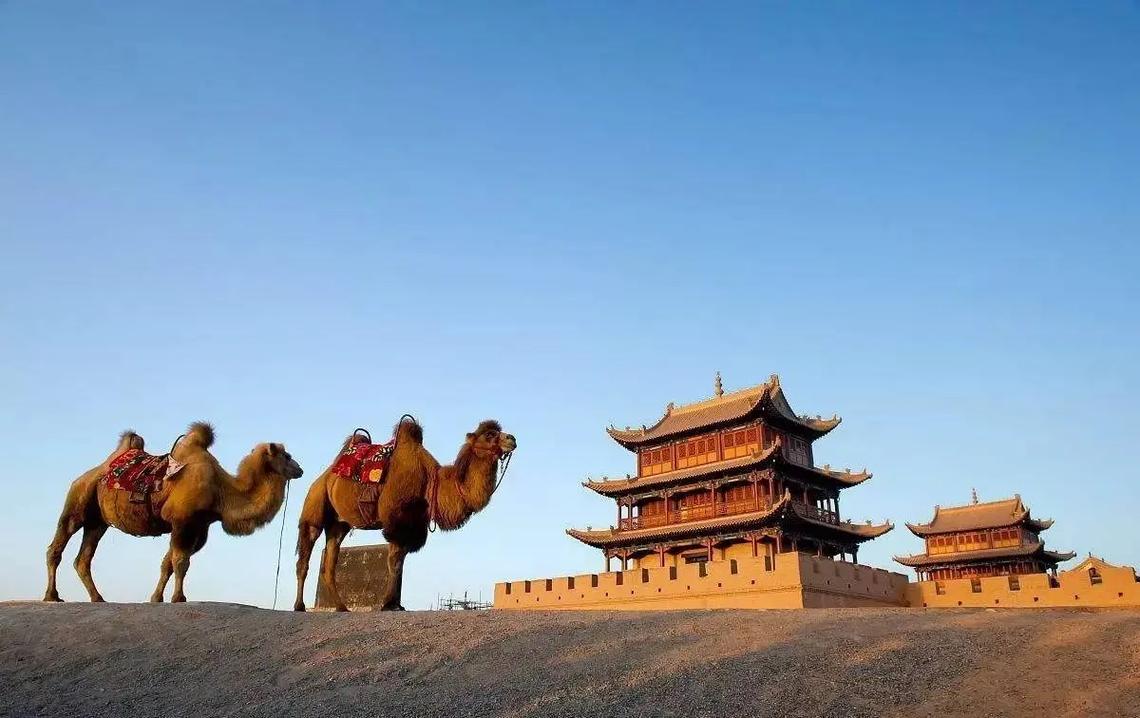
The Silk Road, officially named by the German geographer Ferdinand von Richthofen in 1877, originated from the route opened up by Zhang Qian, who was sent by Emperor Wudi of the Western Han Dynasty to the Western Regions around 138 BC. Xi’an, then Chang’an, was chosen as the starting point for its unique geographical advantages and imperial status—it is located in the Guanzhong Plain, a fertile land with convenient transportation, serving as a natural gateway connecting the Central Plains with the Western Regions. As the political, economic, and cultural center of ancient China, Chang’an provided a solid foundation for the opening and prosperity of the Silk Road, becoming the "heart" of the entire Silk Road network. In ancient times, people from all over Eurasia called Chang’an "Khumdan", a name that spread far to ancient Rome, Syria, and Persia, witnessing its international influence as the starting point of the Silk Road.
The Evolution of Xi’an’s Role in the Silk Road Through Dynasties
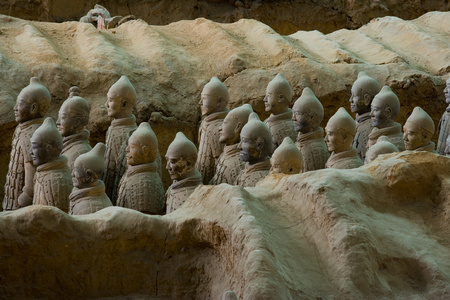
· Qin Dynasty (221-207 BC): The unification of the Qin Dynasty laid the political foundation for the Silk Road. The construction of the Great Wall and the unification of weights, measures, and writing created a stable social environment for cross-border trade, laying the groundwork for the official opening of the Silk Road in the Han Dynasty. The Terracotta Army, a world-famous cultural heritage, also reflects the strong national strength of the Qin Dynasty, which provided support for the subsequent communication with the Western Regions.
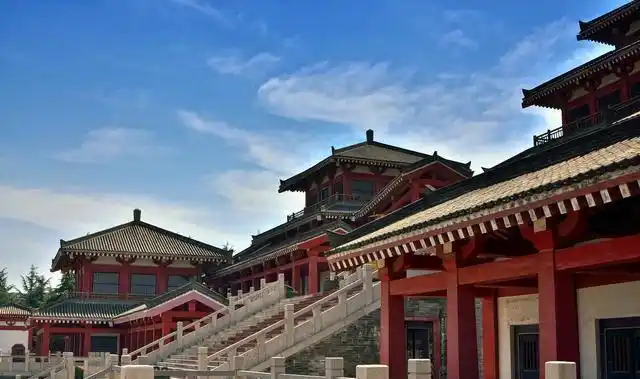
· Western Han Dynasty (206 BC-25 AD): The official opening of the Silk Road. Zhang Qian’s two missions to the Western Regions (138 BC and 119 BC) established the official channel between Chang’an and the Western Regions, enabling large-scale trade and cultural exchanges. Chang’an became the gathering place for envoys and merchants from the Western Regions, with "exotic goods from all directions pouring in". The Han Dynasty set up the Honglu Temple in Chang’an to manage diplomatic affairs and translate for foreign envoys, and the "Manyi Di" (residence for foreign merchants) in Gaojie Street became a settlement for Western merchants.

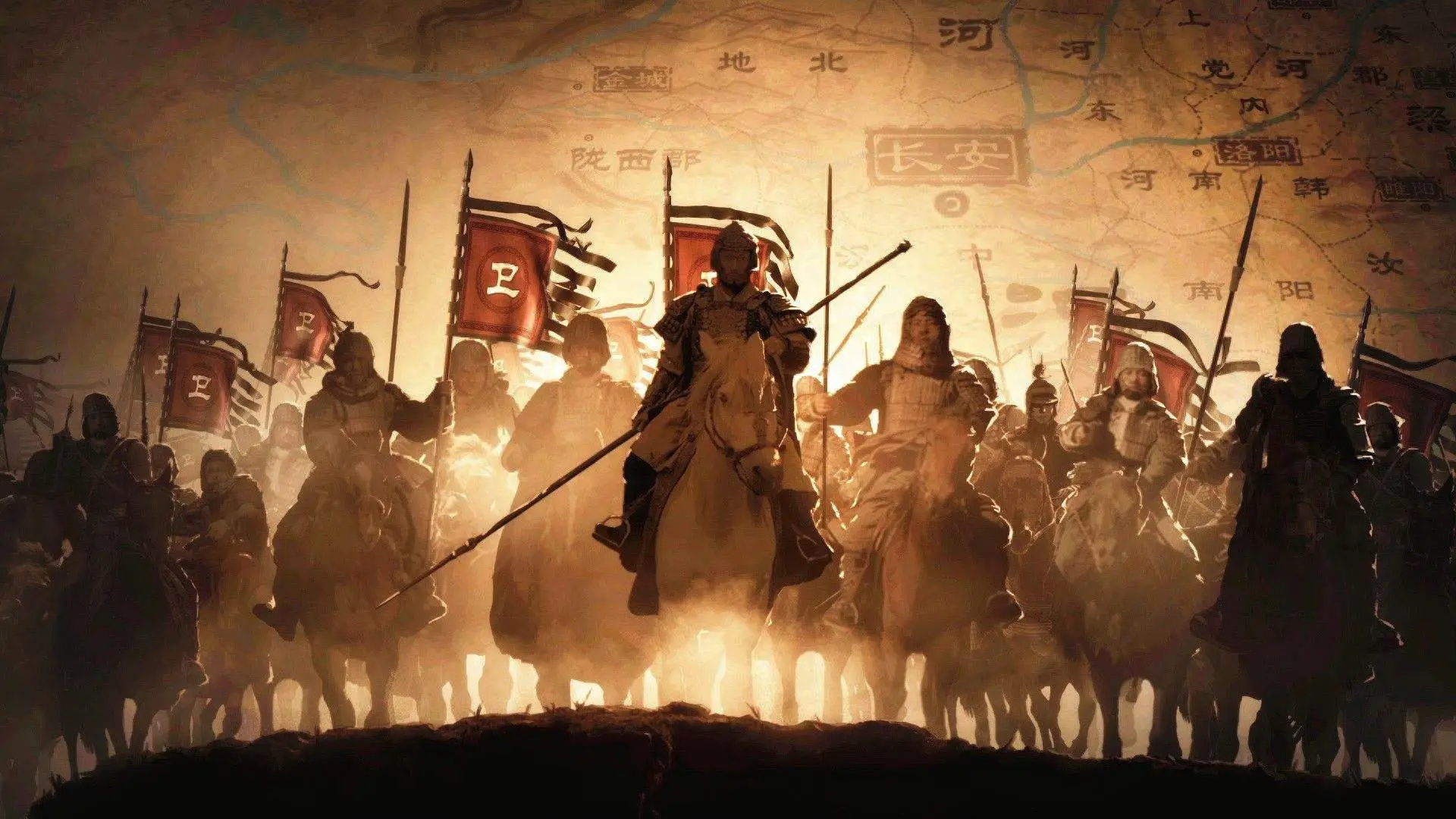
· Sui and Tang Dynasties (581-907 AD): The golden age of the Silk Road. The Sui Dynasty actively recruited foreign merchants, replacing border trade with capital trade, and promoting large-scale East-West exchanges. The Tang Dynasty, with Chang’an as its capital, was the most prosperous period of the Silk Road—Chang’an became the largest international city in the world at that time, with a population of over one million, including a large number of foreign envoys, merchants, monks, and artists. The city opened its doors to the world, integrating foreign cultures into its architecture, food, music, and clothing, forming a inclusive and splendid cultural atmosphere.
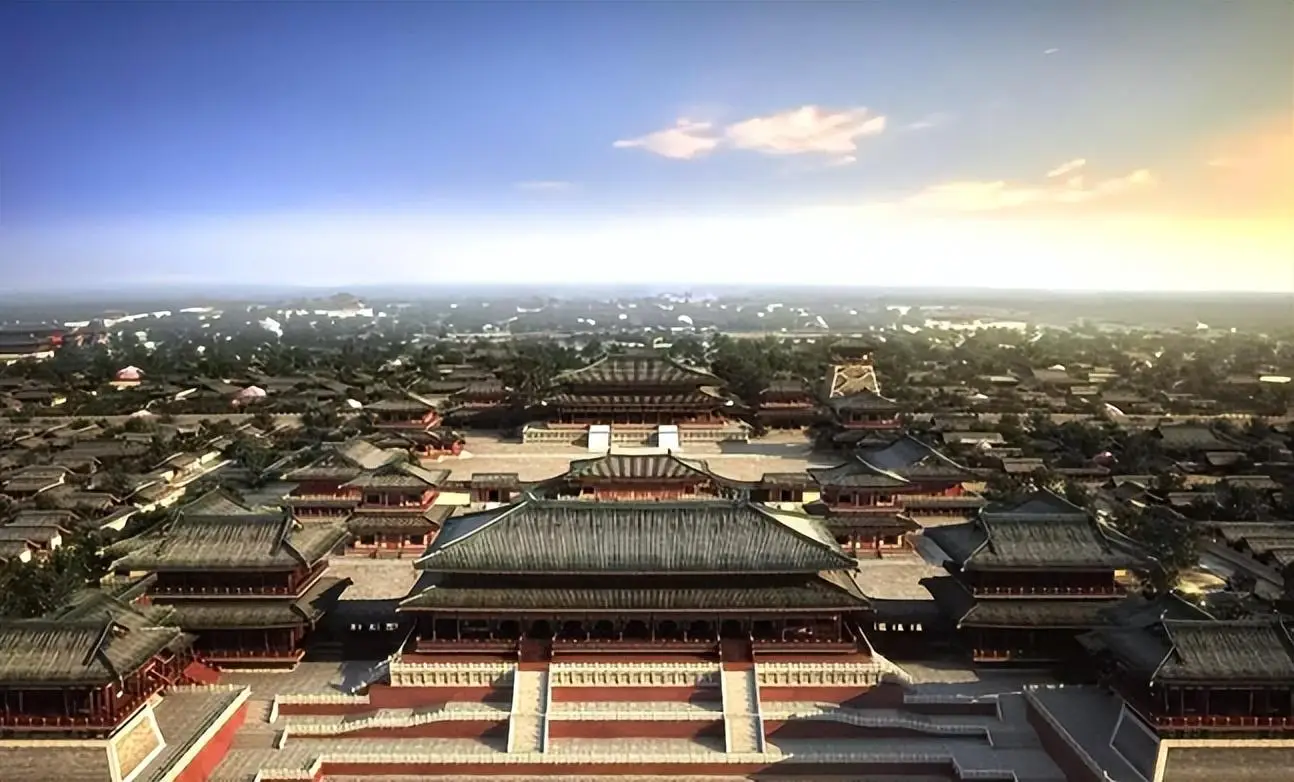
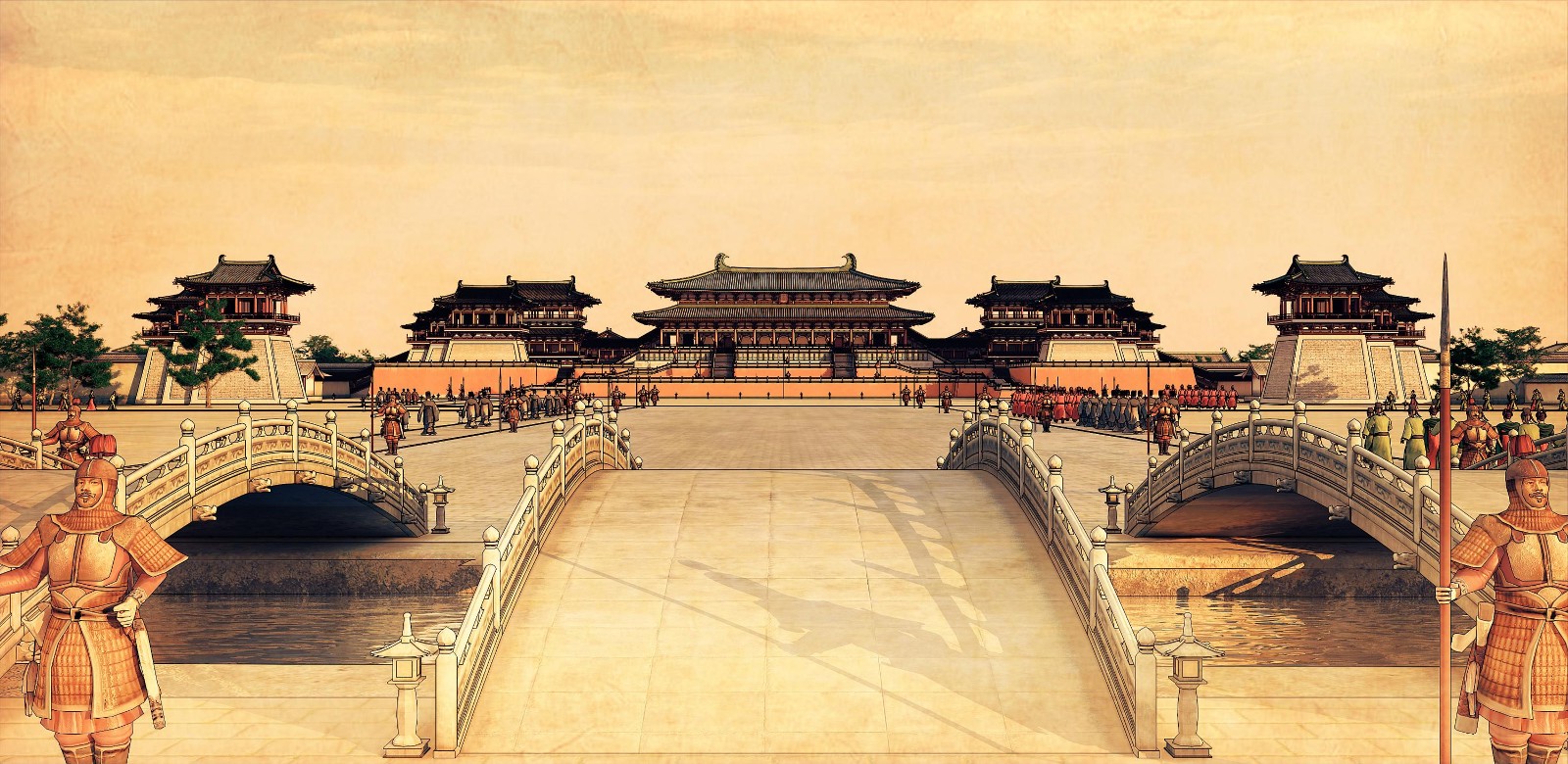
· Post-Tang Dynasties: Although the political center shifted, Xi’an remained an important node on the Silk Road. It continued to undertake the function of connecting the Central Plains with the Western Regions, and the trade of silk, porcelain, and other goods still maintained prosperity, inheriting the cultural heritage of the Silk Road.
Must-Visit Attractions in Xi’an Related to the Silk Road
Core Historical Sites: Witnesses of the Silk Road’s Prosperity
1. Terracotta Army (Qin Shi Huang Mausoleum Museum)
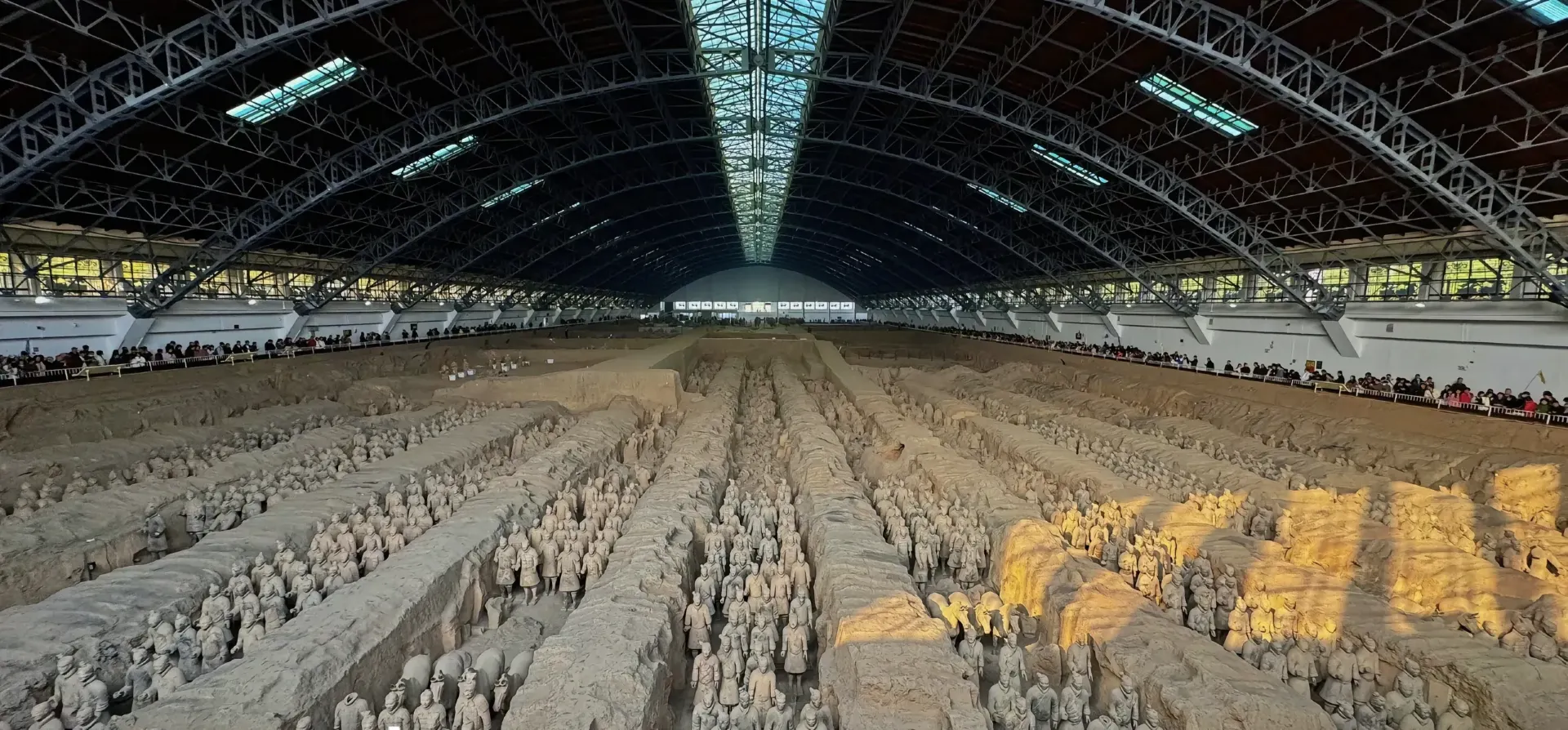
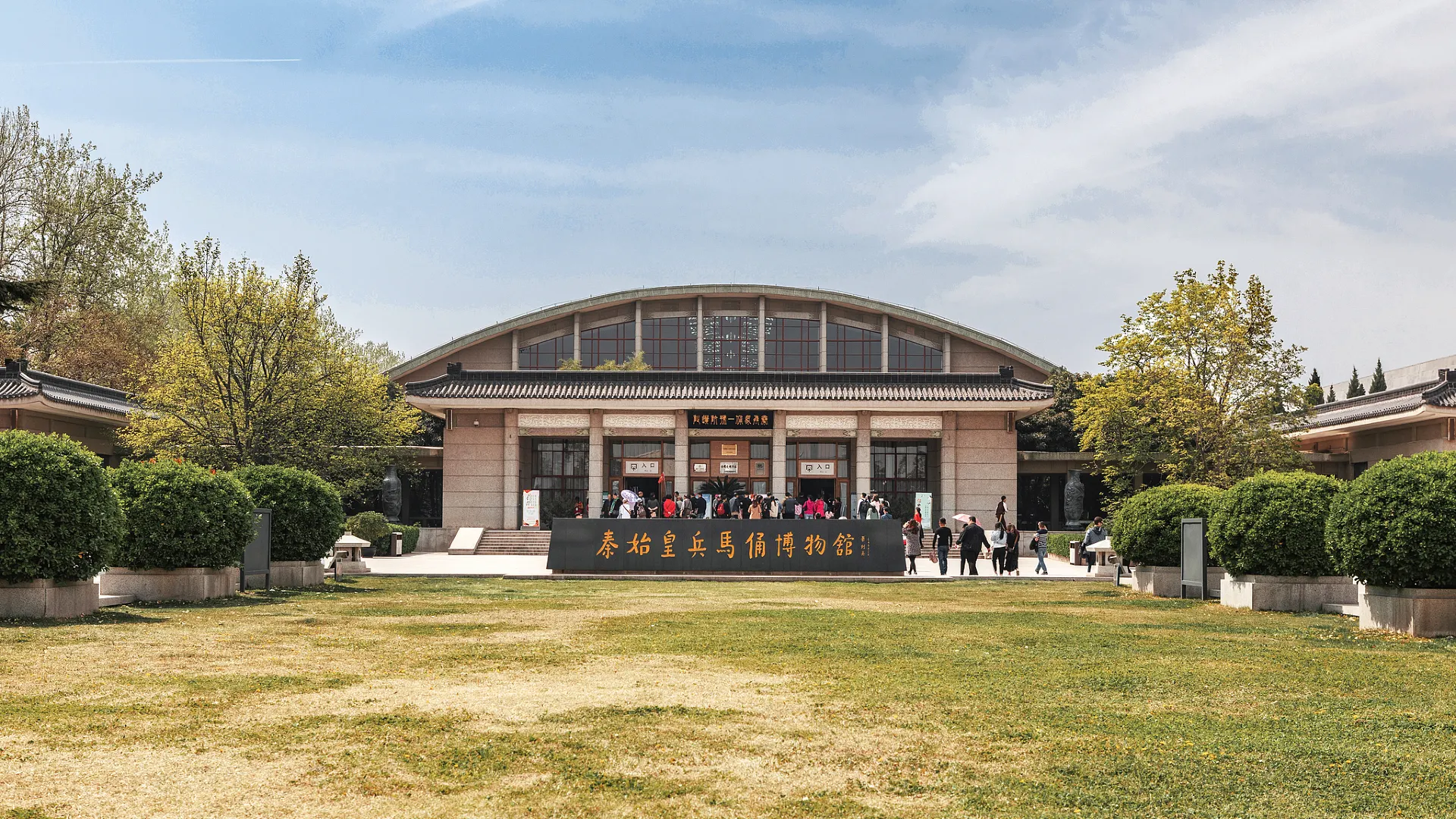
- Location: Lintong District, Xi’an, about 40 kilometers from the urban area (1-hour drive)
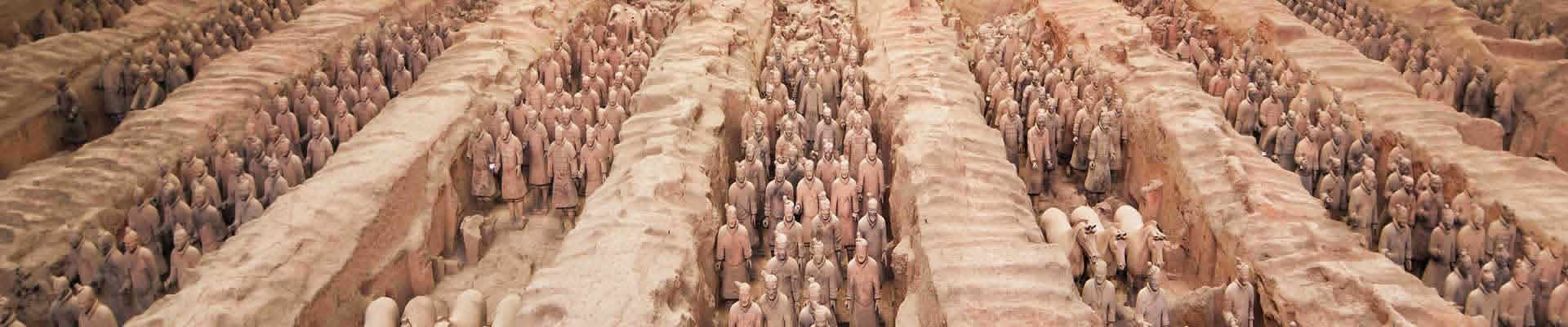
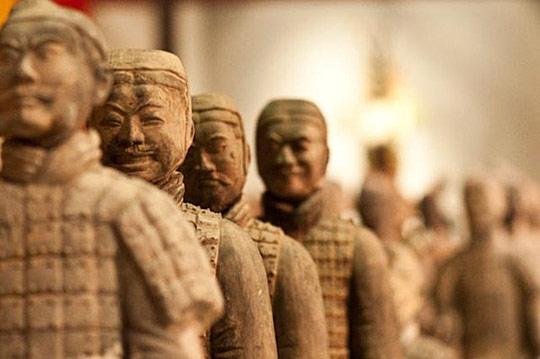
- Silk Road Connection: As the mausoleum of Qin Shi Huang, the first emperor of China, the Terracotta Army reflects the strong military strength of the Qin Dynasty, which laid the foundation for the opening of the Silk Road. The Qin Dynasty’s unification of the country created a stable environment for cross-border trade, and the Terracotta Army is also a symbol of the power that supported the Silk Road’s opening.
- Highlights for Foreign Tourists: More than 8,000 life-sized terracotta warriors and horses, each with a unique face; official English audio guides and English-speaking tour guides are available; it is recommended to spend 2.5-3 hours visiting; the No. 1 Pit is the largest and most spectacular, with the most terracotta warriors.
- Practical Tips: Book tickets online in advance (supports English booking); take the airport bus or Didi (international version available) to get there; avoid peak hours (9:00-11:00 AM) to reduce crowds.
2. Xi’an Ancient City Wall
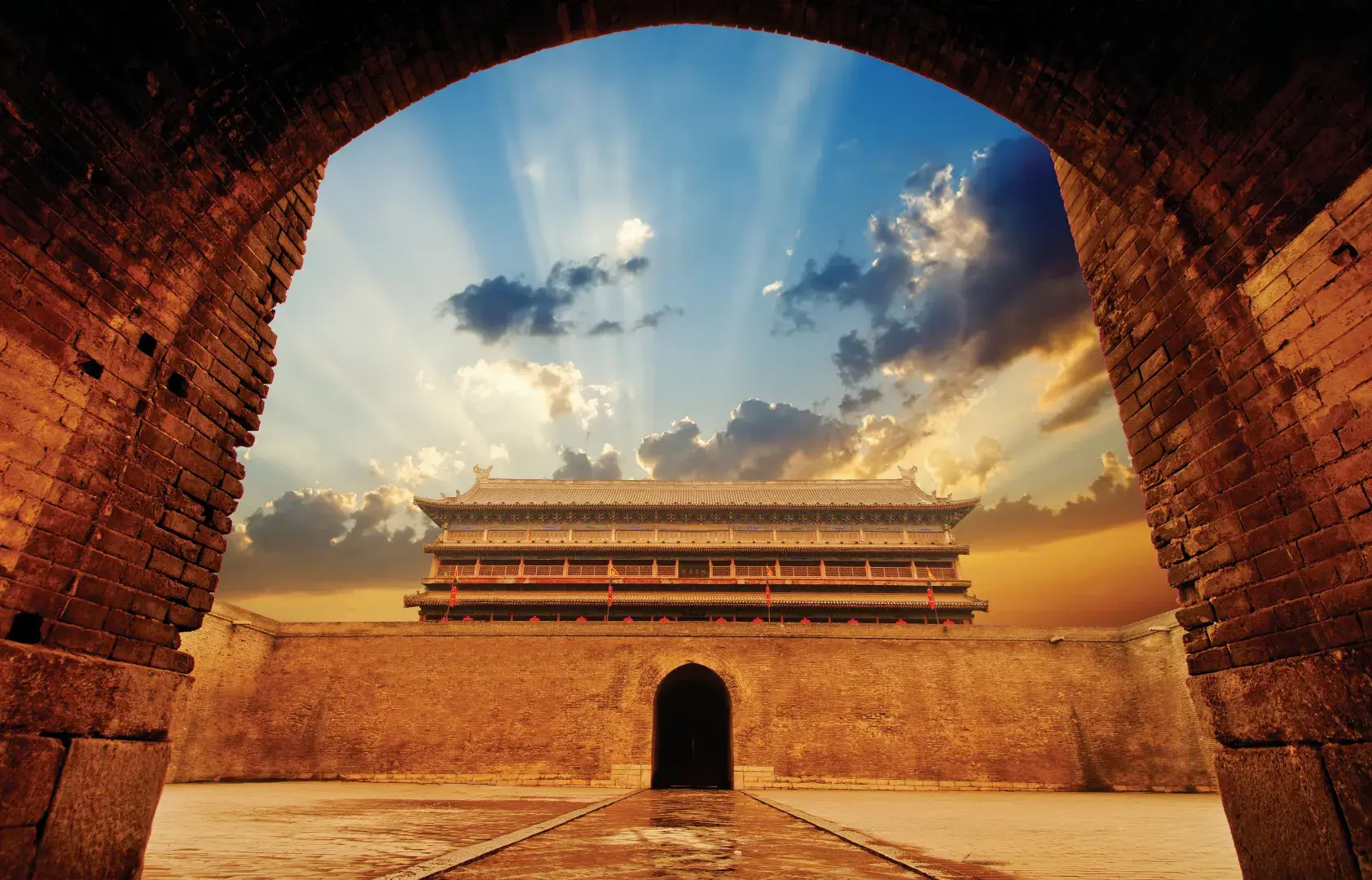
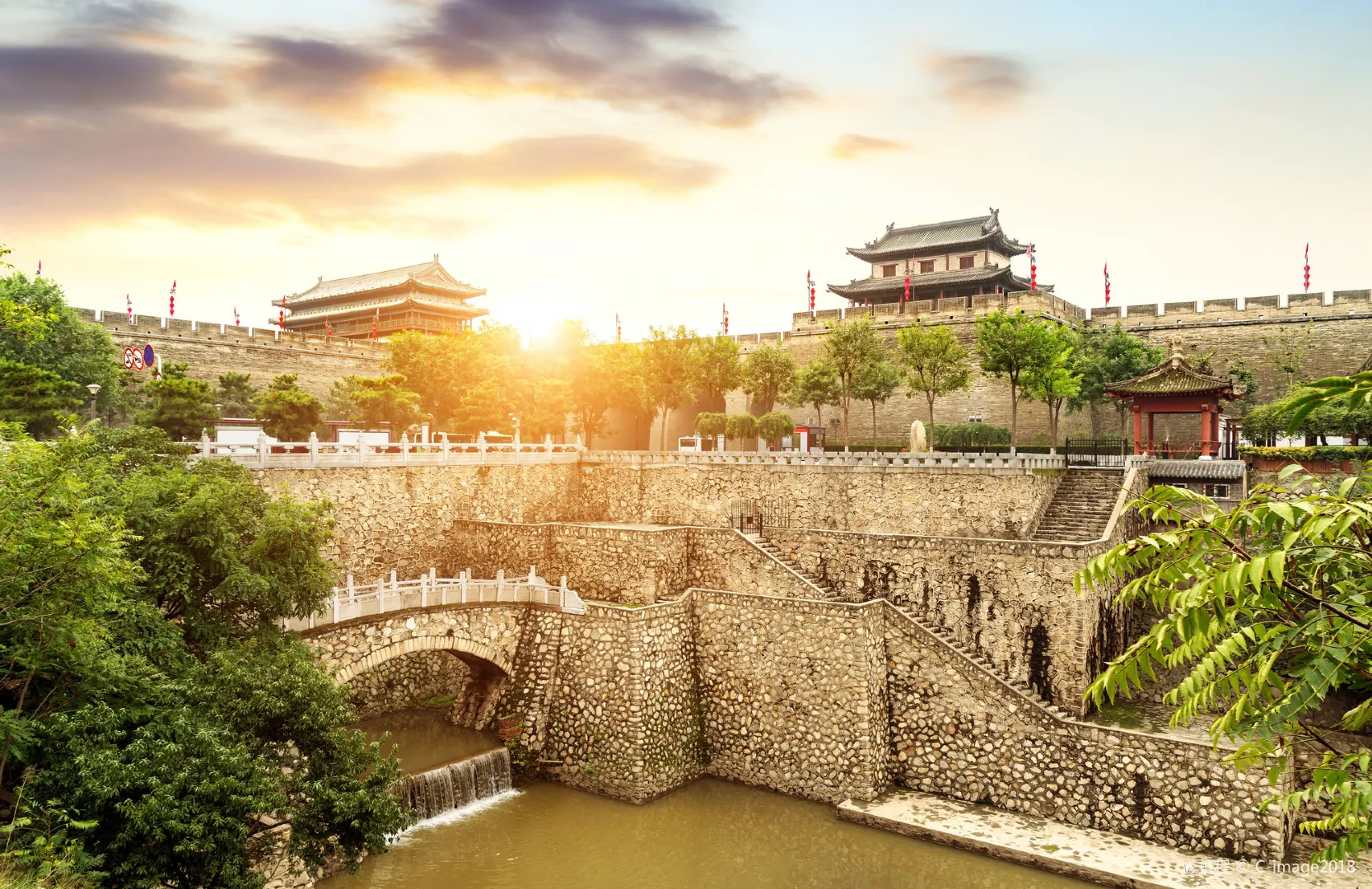
- Location: Surrounding the old urban area of Xi’an, with the South Gate as the main entrance
- Silk Road Connection: First built in the Ming Dynasty, it is the most complete ancient city wall preserved in the world, inheriting the defense function of Chang’an in the Silk Road era. In ancient times, it was an important barrier to protect the city and ensure the smooth flow of Silk Road trade, and it was also a major node of the land transportation network of the Silk Road.
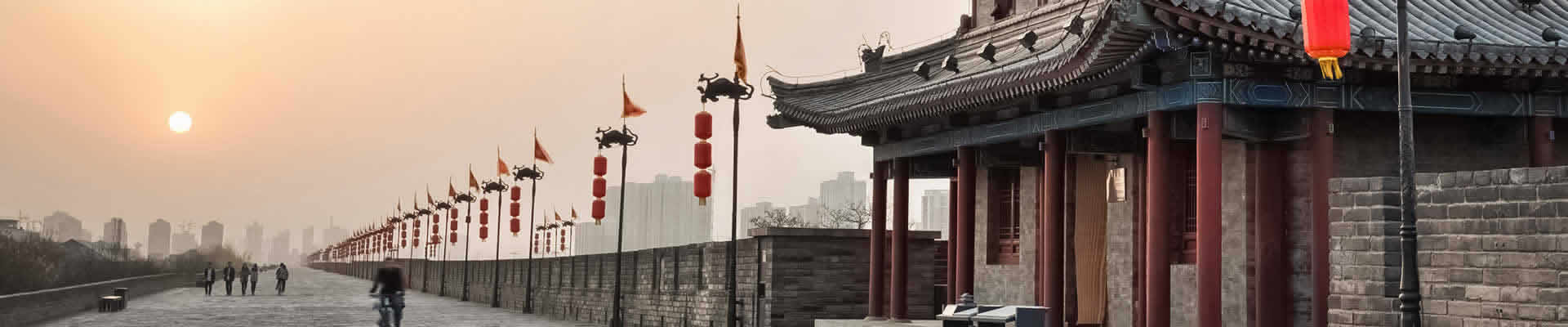
- Highlights for Foreign Tourists: The total length is about 14 kilometers, and you can walk or rent a bicycle to circle the city; the South Gate is the most grand and well-preserved, with a history of more than 600 years; it is recommended to visit in the evening to enjoy the sunset and night view of the city wall, and watch the light show occasionally held.
- Practical Tips: Bicycle rental is 40 yuan for 2 hours; the South Gate is easily accessible by subway; wear comfortable walking shoes if you choose to walk.
3. Big Wild Goose Pagoda & Daming Palace National Heritage Park
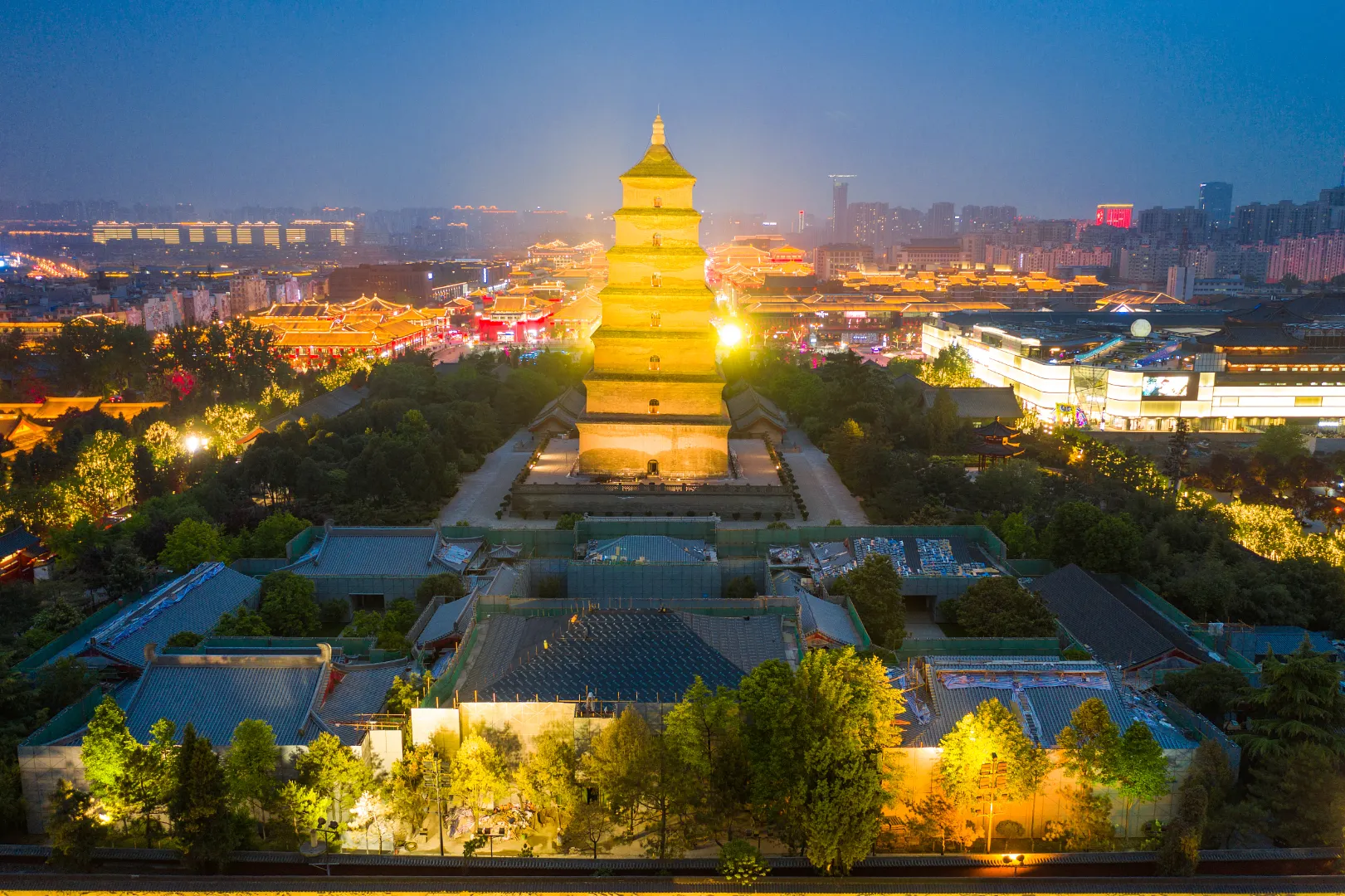
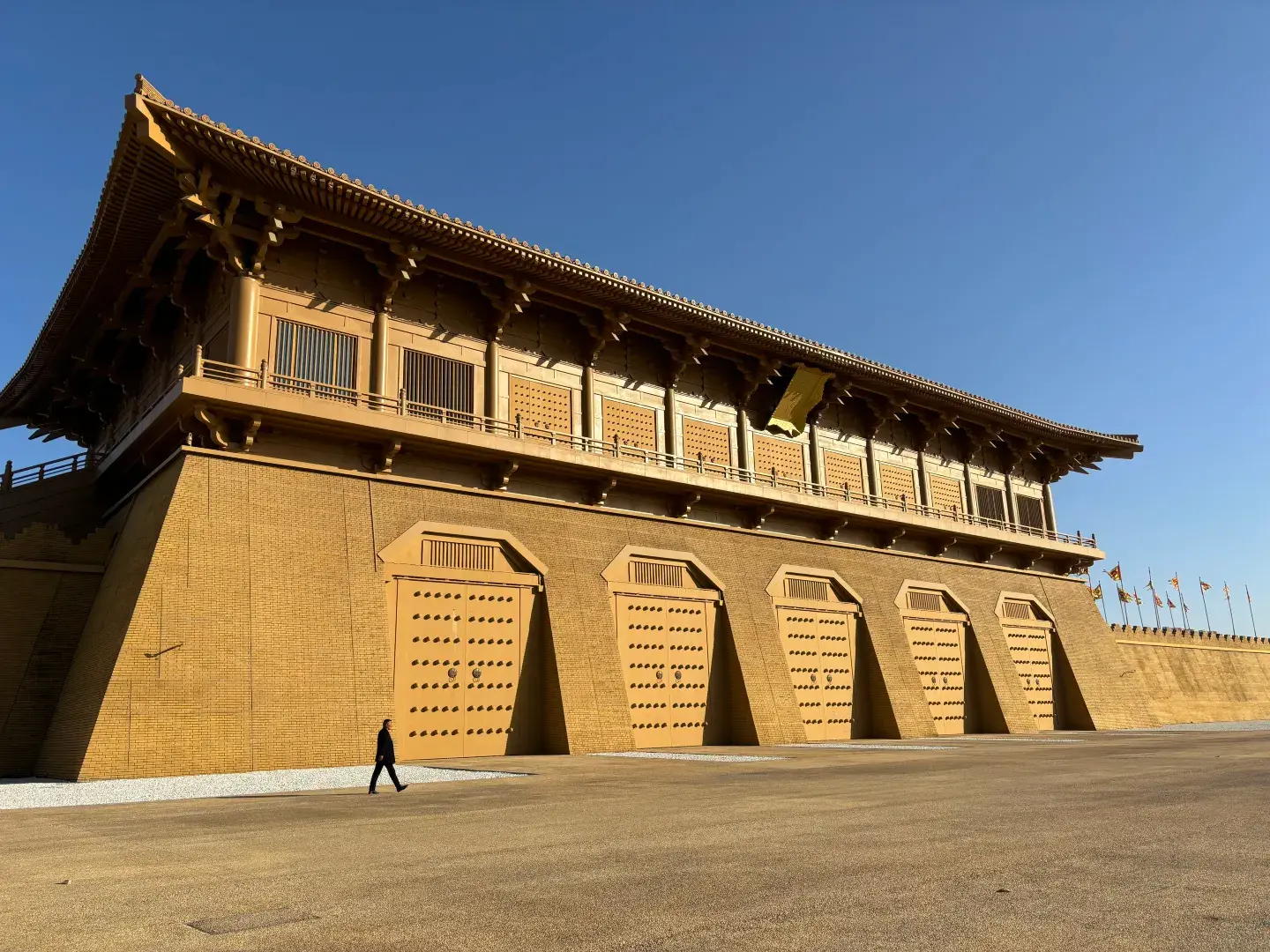
- Location: Yanta District, Xi’an, near the Grand Tang Mall
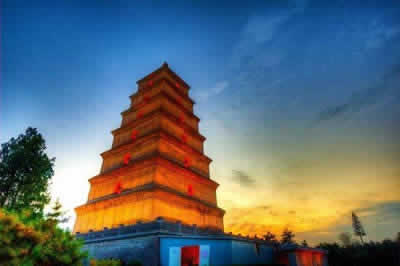
- Silk Road Connection: Dayan Pagoda was built under the supervision of Xuanzang, a famous Buddhist monk in the Tang Dynasty, to store the Buddhist scriptures, statues, and relics he brought back from India during his pilgrimage to the West. It is a key cultural heritage site along the Silk Road (Chang’an-Tianshan Corridor) and a UNESCO World Heritage Site. Daming Palace, the imperial palace of the Tang Dynasty, was the political center of the Tang Dynasty and the place where emperors received envoys from the Western Regions, witnessing countless diplomatic events on the Silk Road.
- Highlights for Foreign Tourists: Climb the Dayan Pagoda to overlook the urban scenery of Xi’an; visit the Grand Tang Mall at the foot of the pagoda, which reproduces the prosperity of the Tang Dynasty with Tang-style architecture, street performances, and light shows; Daming Palace National Heritage Park restores the grandeur of the Tang Dynasty palace, with English explanations available in the museum.
- Practical Tips: The Grand Tang Mall is free to visit, with free performances every day; Daming Palace tickets need to be booked in advance; take subway Line 4 to Dayan Pagoda Station.
4. Shaanxi History Museum
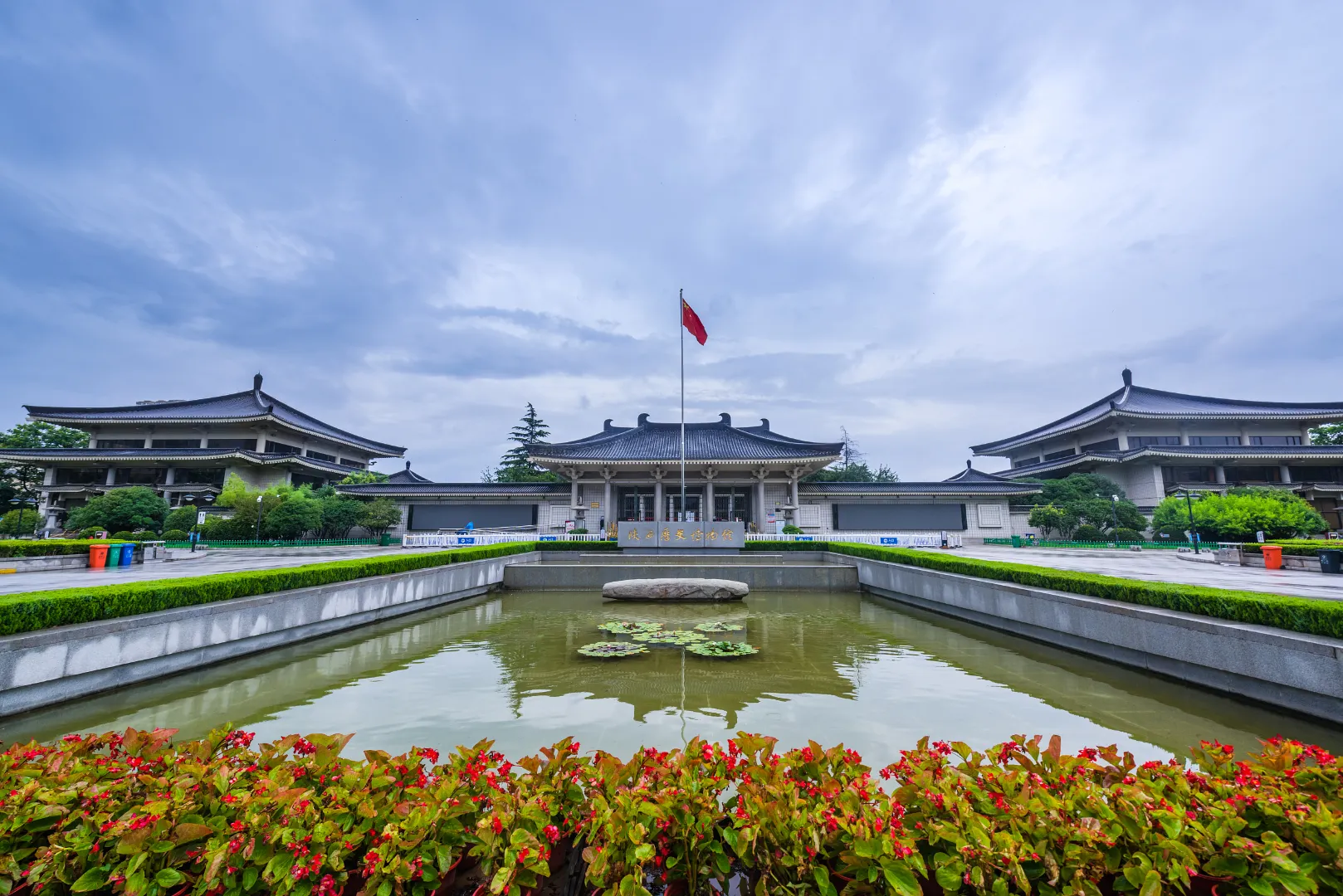
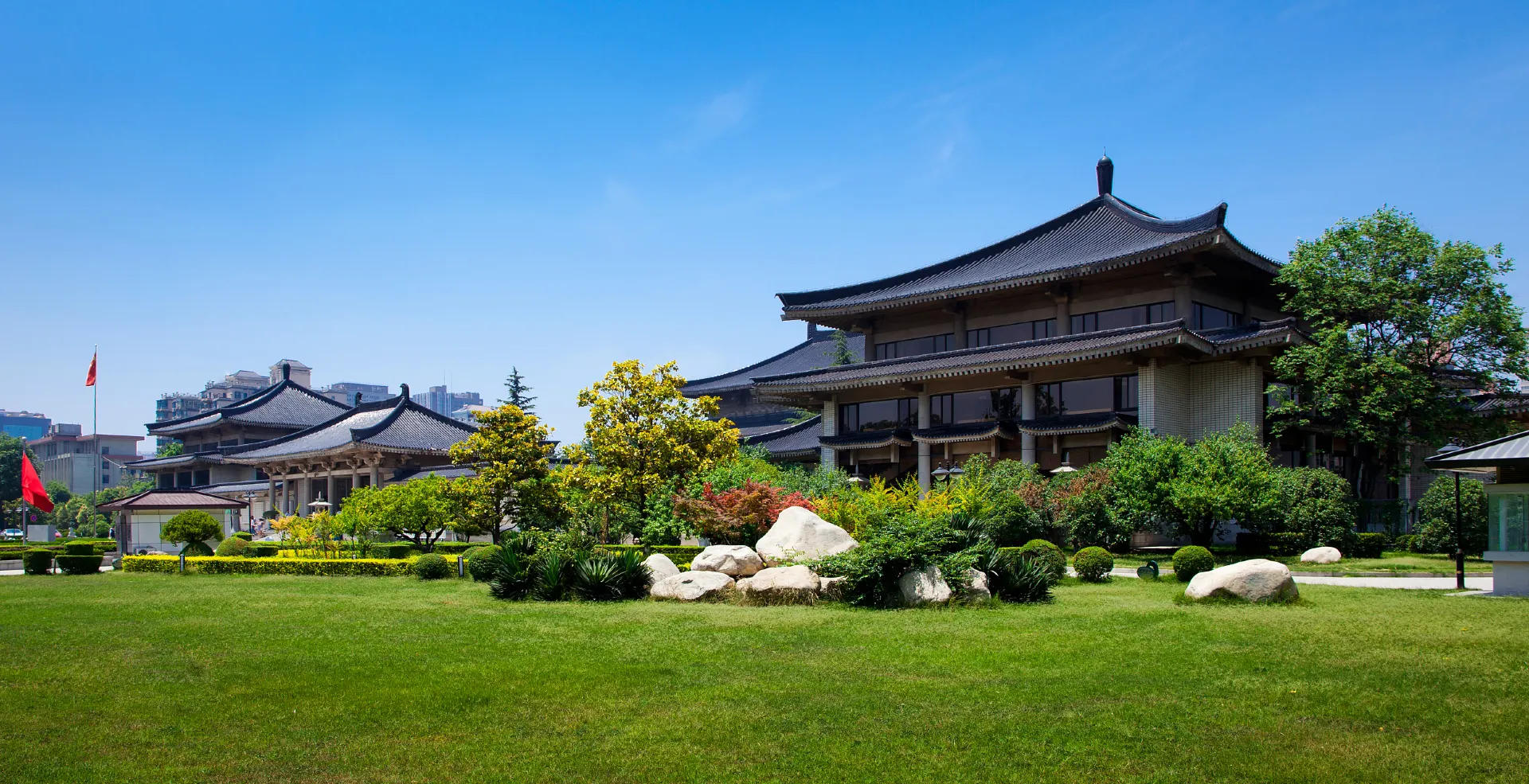
- Location: Xiaozhai, Yanta District, Xi’an, a 5-minute -walk from Subway Line 2 Xiaozhai Station
- Silk Road Connection: It houses more than 370,000 cultural relics from the Zhou, Qin, Han, Tang, and other dynasties, many of which are closely related to the Silk Road, such as silk fabrics, foreign coins, and exotic cultural relics from the Western Regions, which are physical evidence of Silk Road exchanges.
- Highlights for Foreign Tourists: The permanent exhibition is free (book 3 days in advance on the official website); the "Tang Dynasty Relics" special exhibition (30 yuan) is highly recommended, with complete English explanations; you can see rare cultural relics such as the Tang Dynasty tri-color glazed pottery, gold and silverware, and Western Region cultural relics.
- Practical Tips: Book tickets as early as possible (tickets are limited); rent an English audio guide (20 yuan) to better understand the cultural connotation of the relics.
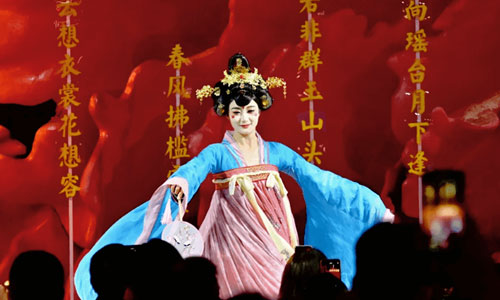 Xi'an Day Tour Package: Remarkable Terracotta Warriors & Enchanting Song of Everlasting Sorrow Performance
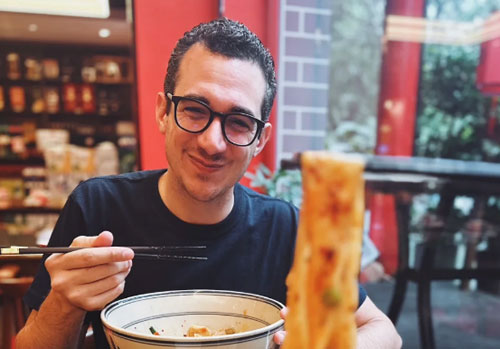 Exquisite Xi'an Night Tour Indulge in Mouthwatering Culinary Delights and Authentic Muslim Cuisine
Cultural and Folk Attractions: Experience the Legacy of the Silk Road
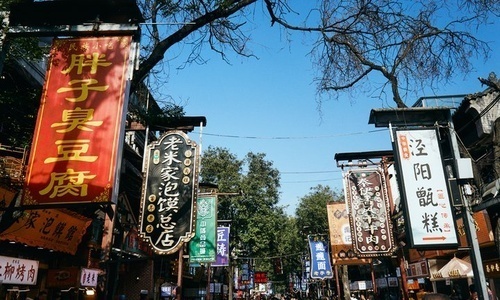
1. Huimin Street (Beiyuanmen Historical and Cultural Customs District)
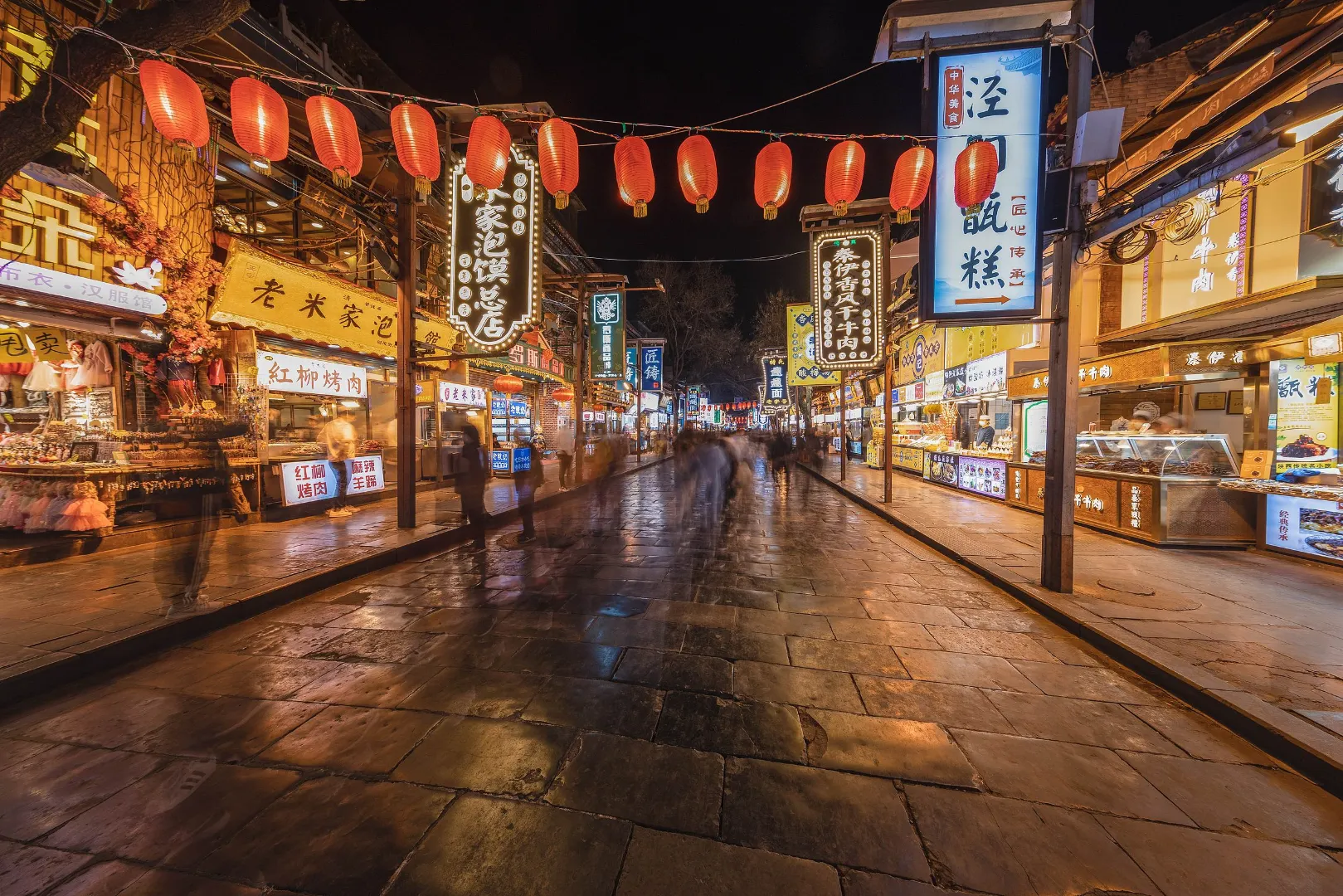
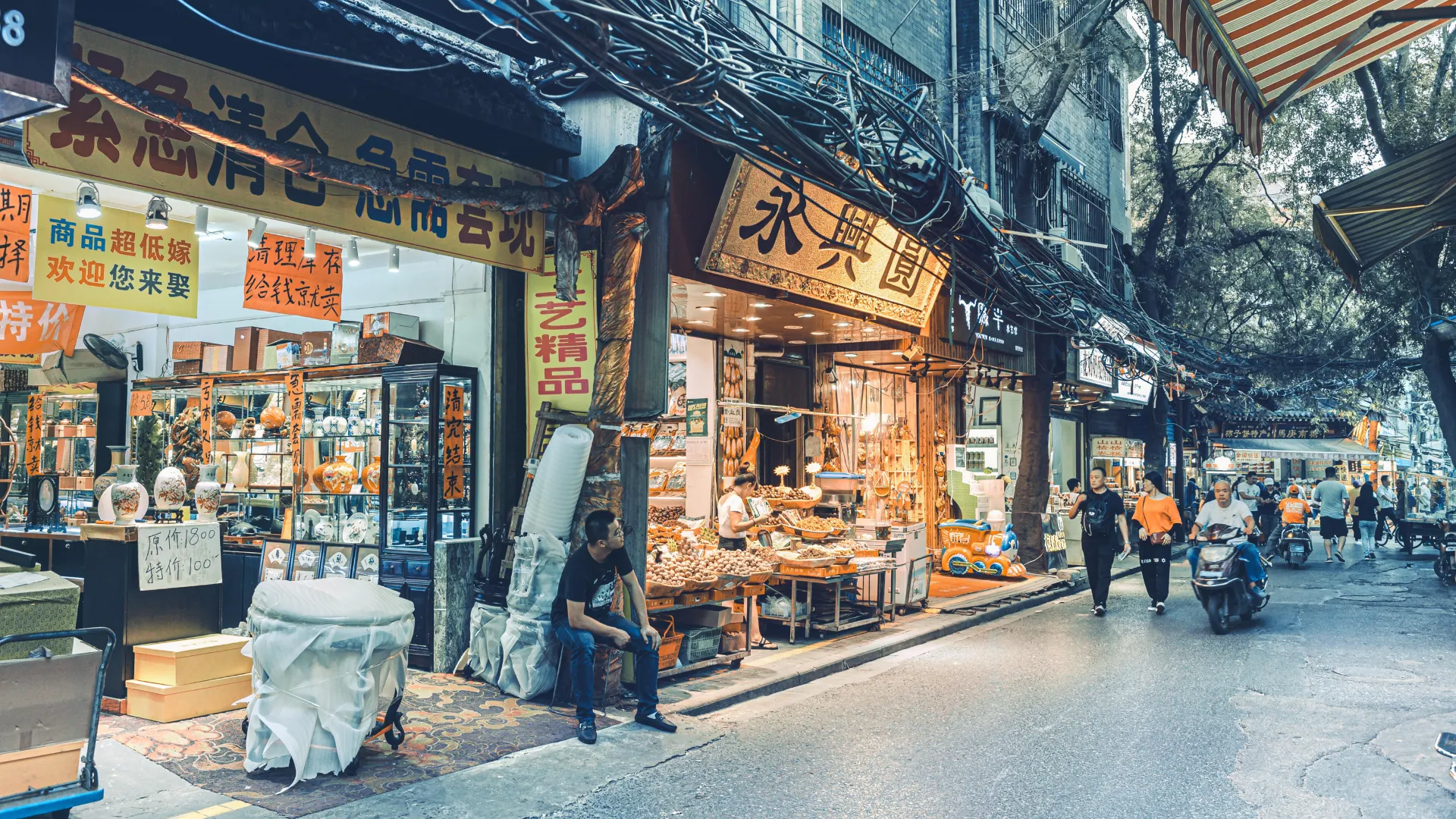
- Location: Near the Drum Tower and Bell Tower in the old urban area
- Silk Road Connection: With a history of thousands of years, it is a gathering place for Hui people in Xi’an, and its formation is closely related to the Silk Road. In ancient times, it was a important commercial street where foreign merchants (especially Arab and Persian merchants) gathered, and it is now a window to understand the multi-cultural integration of Xi’an, inheriting the catering and handicraft culture brought by the Silk Road.
- Highlights for Foreign Tourists: A variety of Silk Road-related delicacies, such as Yangrou Paomo (lamb soup with bread), Guan Tang Bao (soup dumplings), and roasted skewers; traditional handicraft shops, such as jade carving, paper-cutting, and shadow puppetry; the Great Mosque in Huimin Street, which combines Chinese and Islamic architectural styles, is a witness to the cultural integration of the Silk Road.
- Practical Tips: The night view is beautiful, but it is crowded; pay attention to protecting personal belongings; many small restaurants do not have English menus, so it is recommended to use a translation app or take screenshots of common dishes in advance.
2. Shuyuanmen Cultural Street
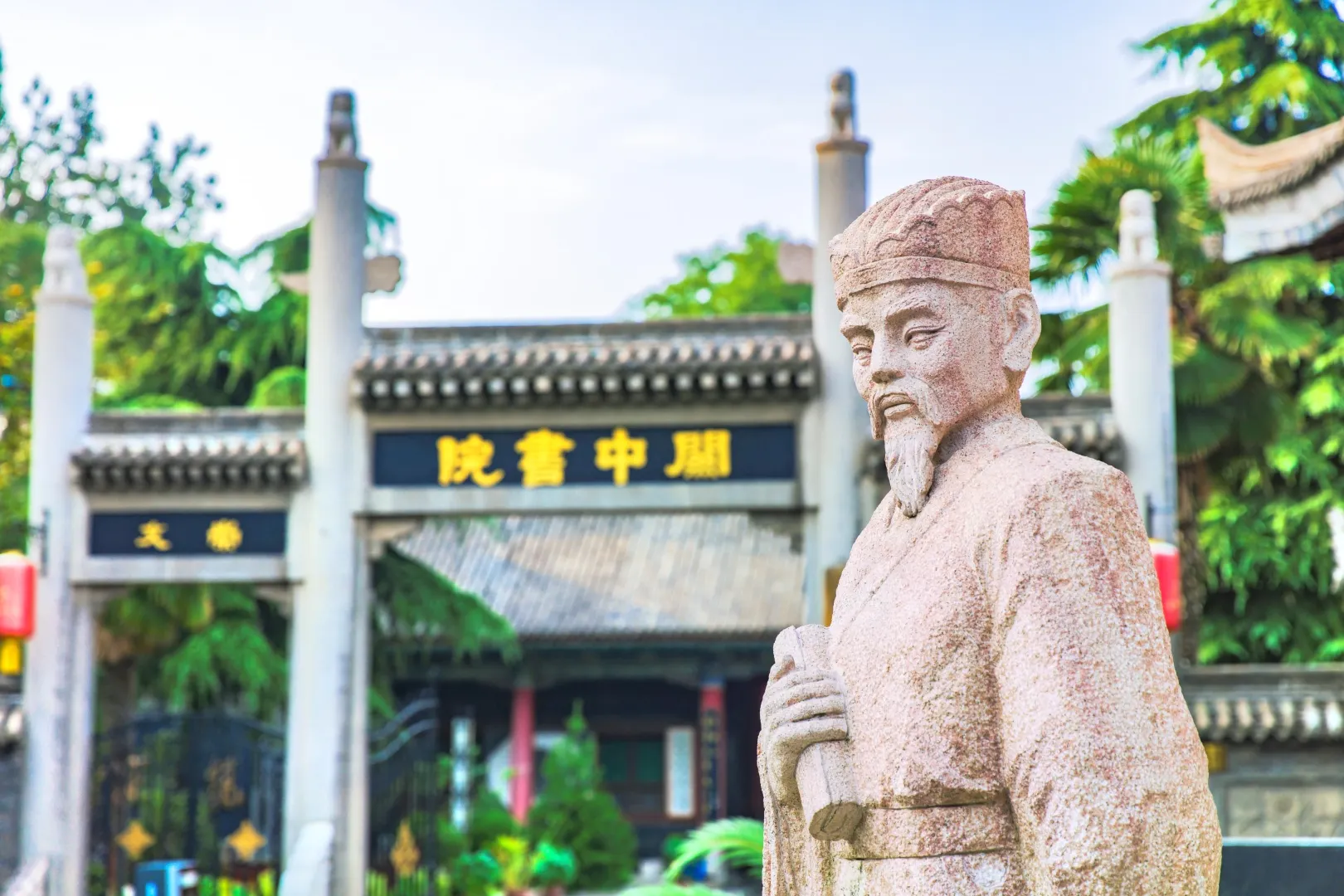
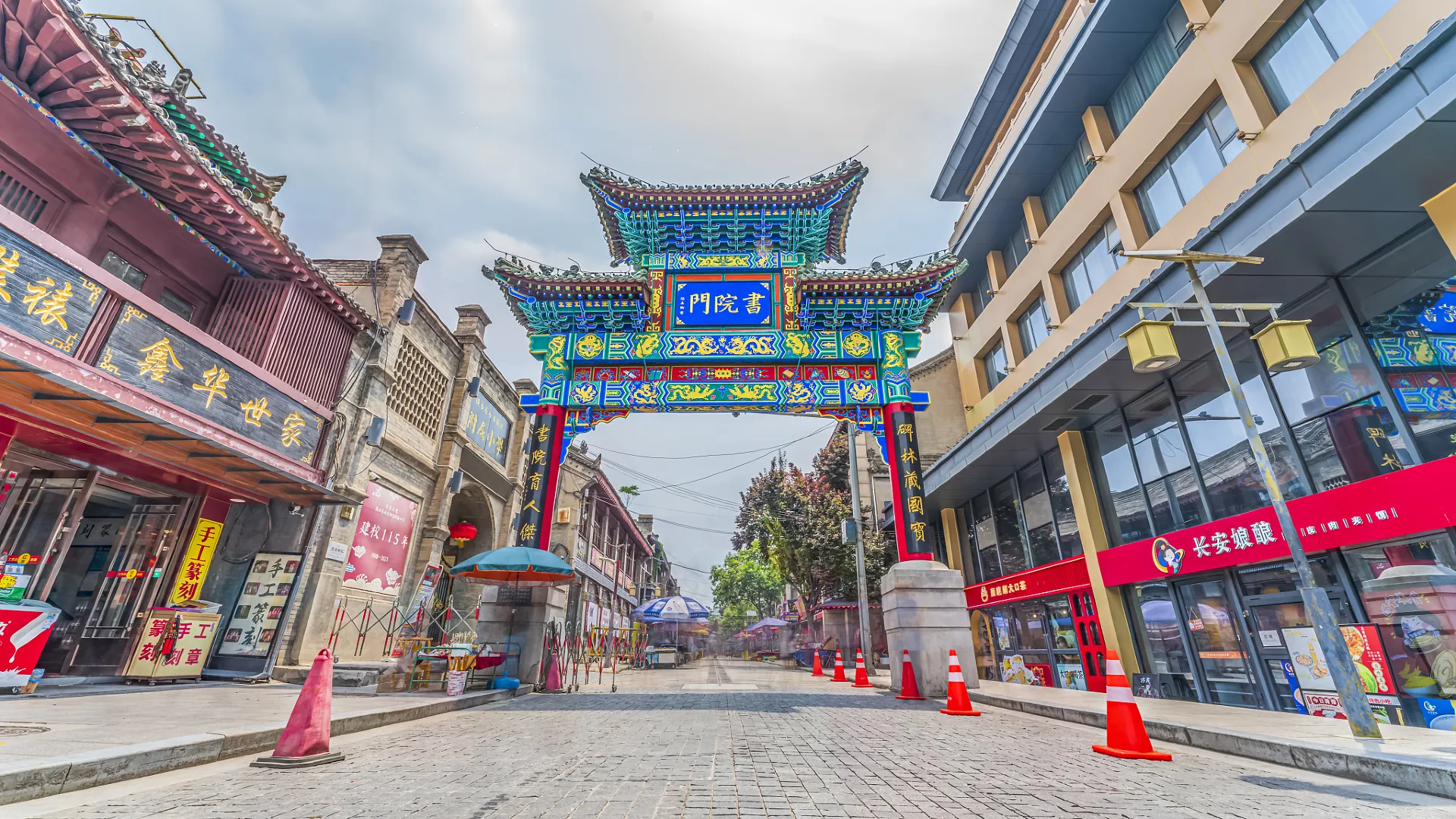
- Location: Near the South Gate of the Ancient City Wall
- Silk Road Connection: It is a cultural street with a focus on traditional Chinese calligraphy and painting, and its origin is related to the cultural exchanges of the Silk Road. In ancient times, literati and scholars gathered here, and foreign envoys and scholars also came here to exchange cultures, promoting the spread of Chinese culture along the Silk Road.
- Highlights for Foreign Tourists: Experience Chinese brush calligraphy (about 50 yuan per hour, some stores provide English teaching); visit calligraphy and painting shops, and buy calligraphy and painting works as souvenirs; the street is lined with ancient-style buildings, which is suitable for taking photos and feeling the traditional cultural atmosphere of Xi’an.
- Practical Tips: The street is relatively quiet, suitable for visiting in the morning; the calligraphy experience needs to make an appointment in advance.
3. Gaojia Courtyard (Shadow Puppetry and Qinqiang Performance)
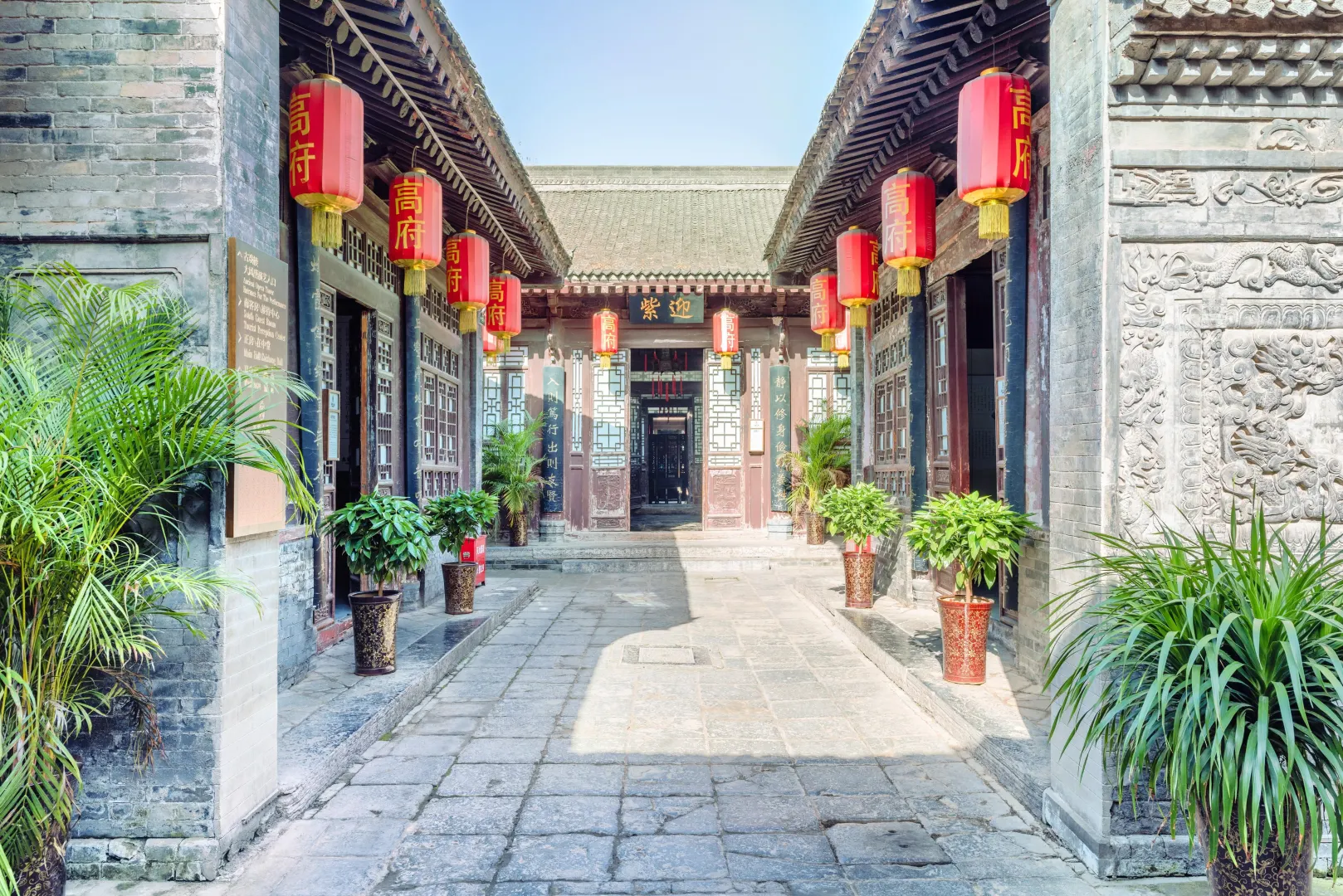
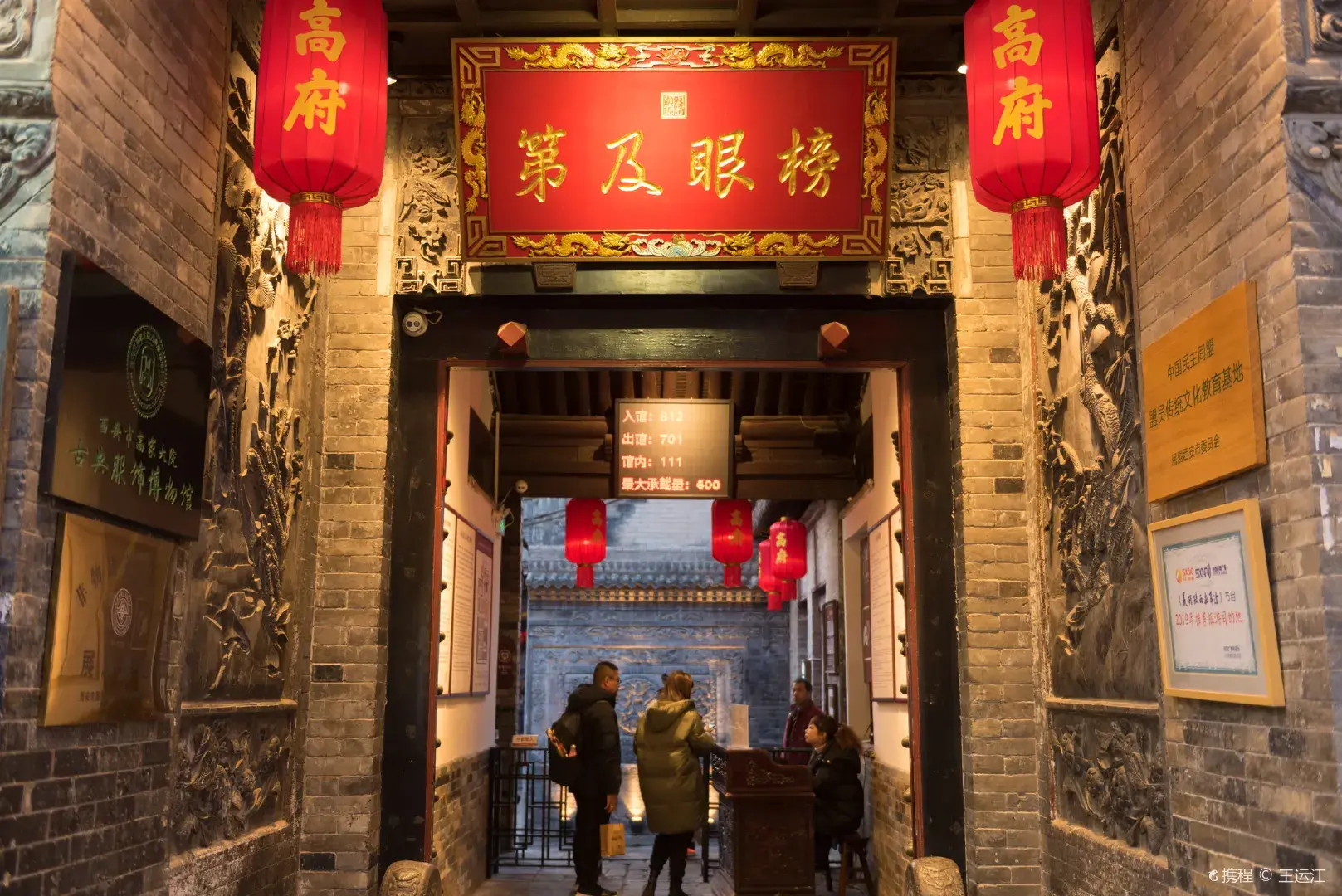
- Location: Inside Huimin Street
- Silk Road Connection: Shadow puppetry, a traditional Chinese folk art, was spread and developed along the Silk Road, integrating the art forms of the Central Plains and the Western Regions. Qinqiang, the local opera of Shaanxi, also absorbed the music elements of the Western Regions during the Silk Road era, forming a unique artistic style.
- Highlights for Foreign Tourists: Watch a 30-minute shadow puppetry performance (30 yuan per person), with simple English explanations; experience Qinqiang singing and dancing, and understand the local folk art of Xi’an; the courtyard is an ancient Chinese-style building, which can feel the traditional residential culture of Xi’an.
- Practical Tips: Performances are held regularly every day; it is recommended to arrive 10 minutes in advance to get a good seat.
Peripheral Attractions: Extend the Silk Road Journey
1. Huaqing Palace (Lintong District)
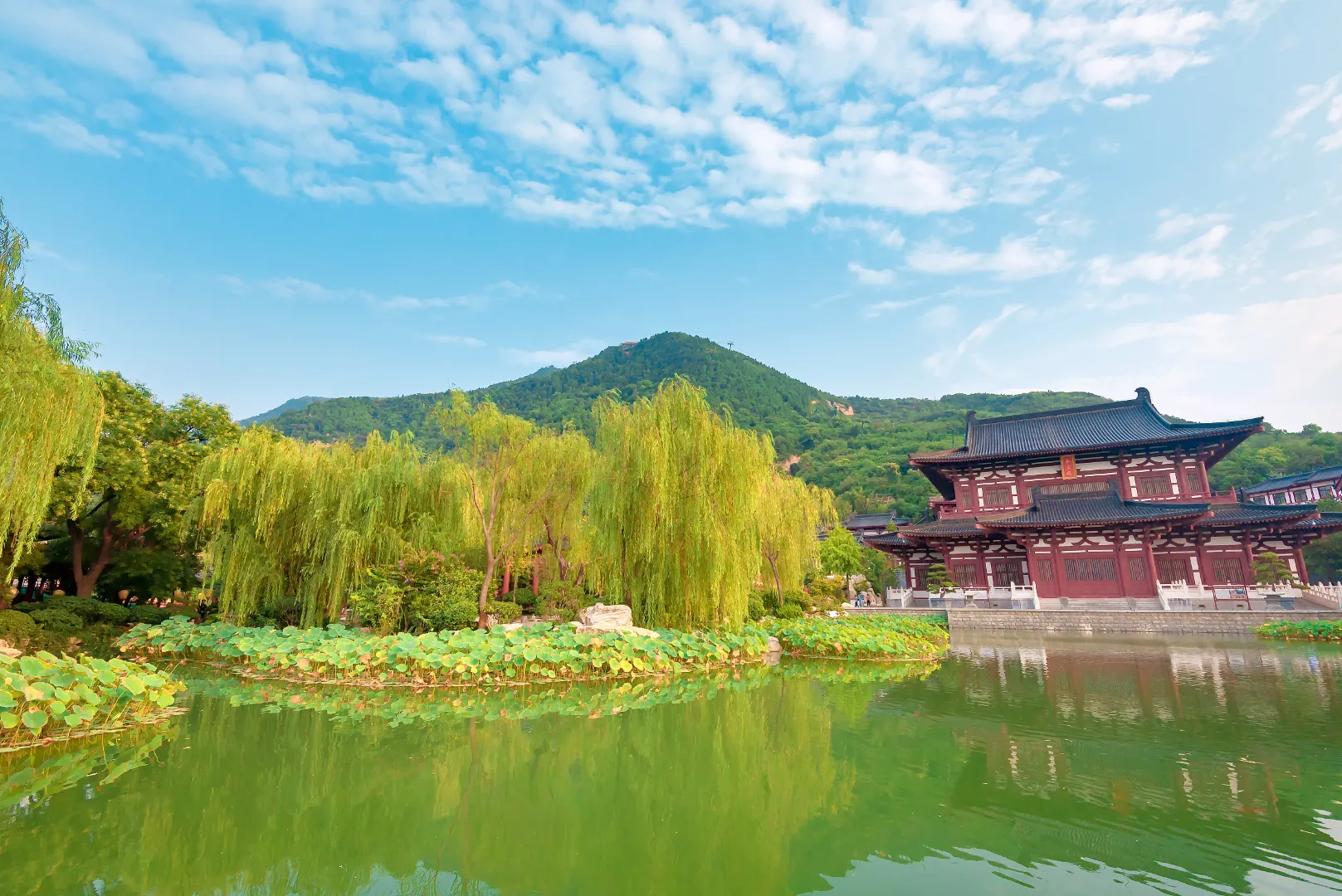
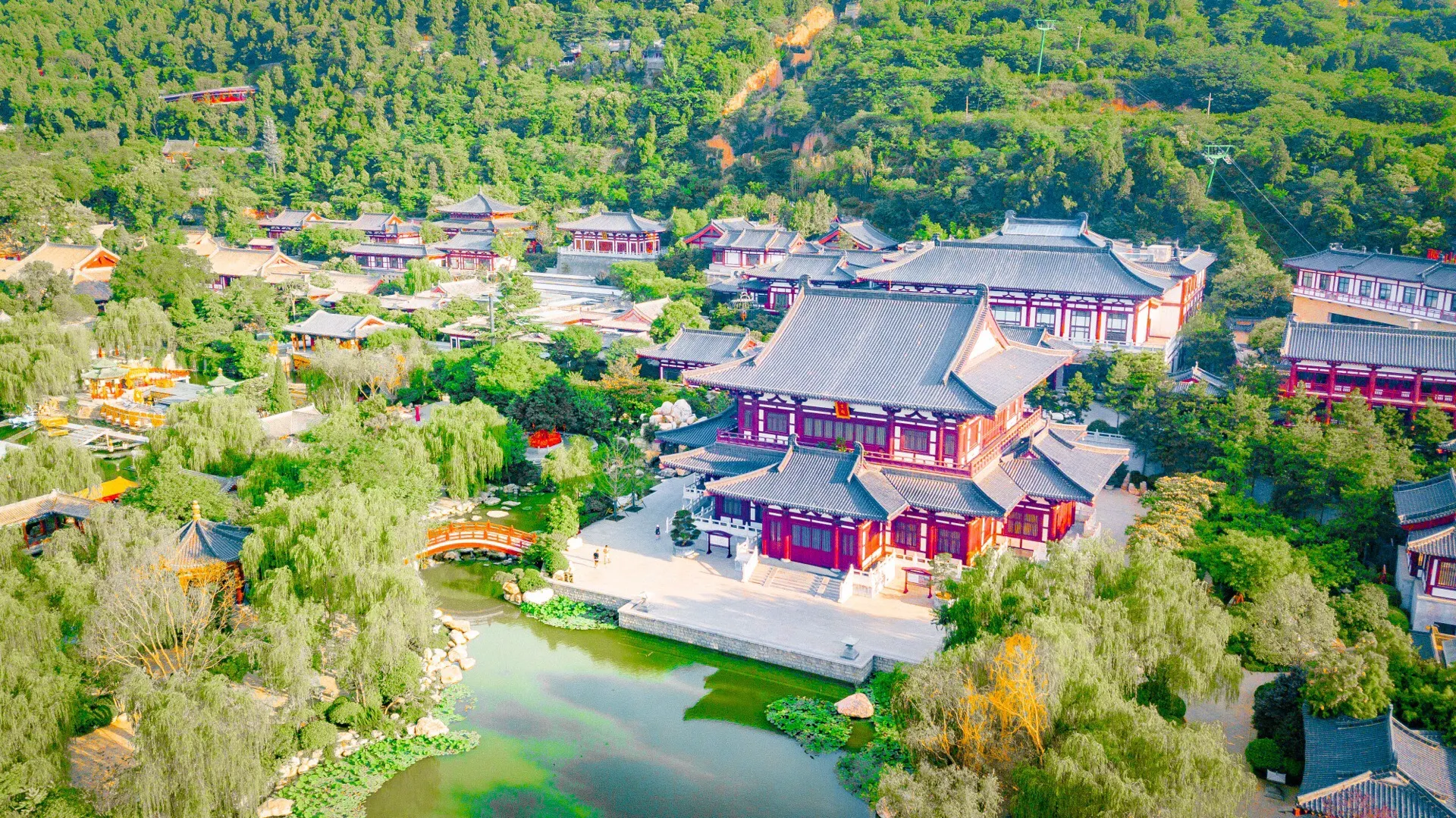
- Location: Lintong District, Xi’an, near the Terracotta Army
- Silk Road Connection: It was a royal garden in the Tang Dynasty, where emperors spent their summer vacations. It was also an important place for diplomatic activities on the Silk Road, where emperors received envoys from the Western Regions and held grand banquets, promoting cultural and trade exchanges.
- Highlights for Foreign Tourists: Watch the large-scale outdoor real-scene performance "The Legend of Everlasting Love" (performed from April to October every year), which tells the love story of Emperor Xuanzong and Yang Guifei in the Tang Dynasty, combining light, water curtain, and dance, known as "walking Tang poetry"; visit the hot springs, which have a history of more than 3,000 years and were favored by royal families in past dynasties.
- Practical Tips: The performance ticket is 268-888 yuan, which is recommended to be booked in advance; you can take a taxi or join a one-day tour group to get there.
2. Xingjiao Temple Pagoda
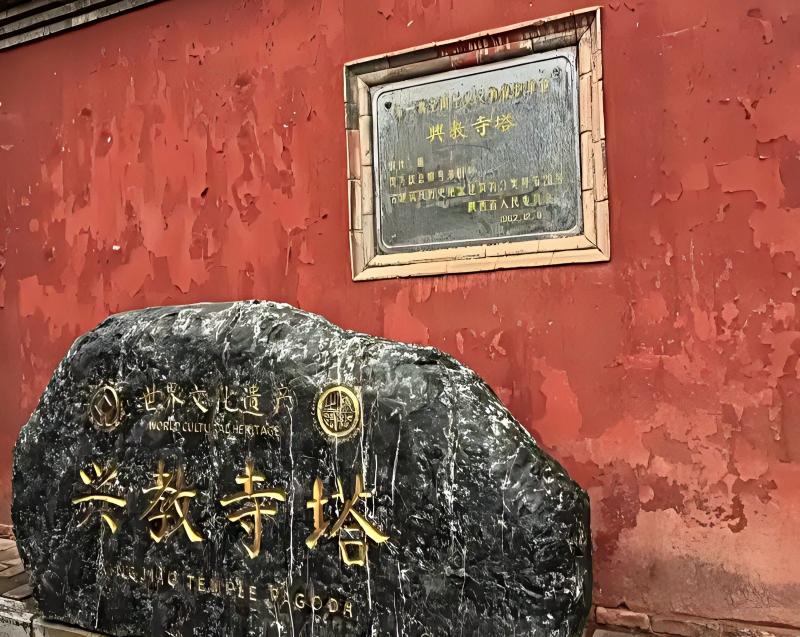
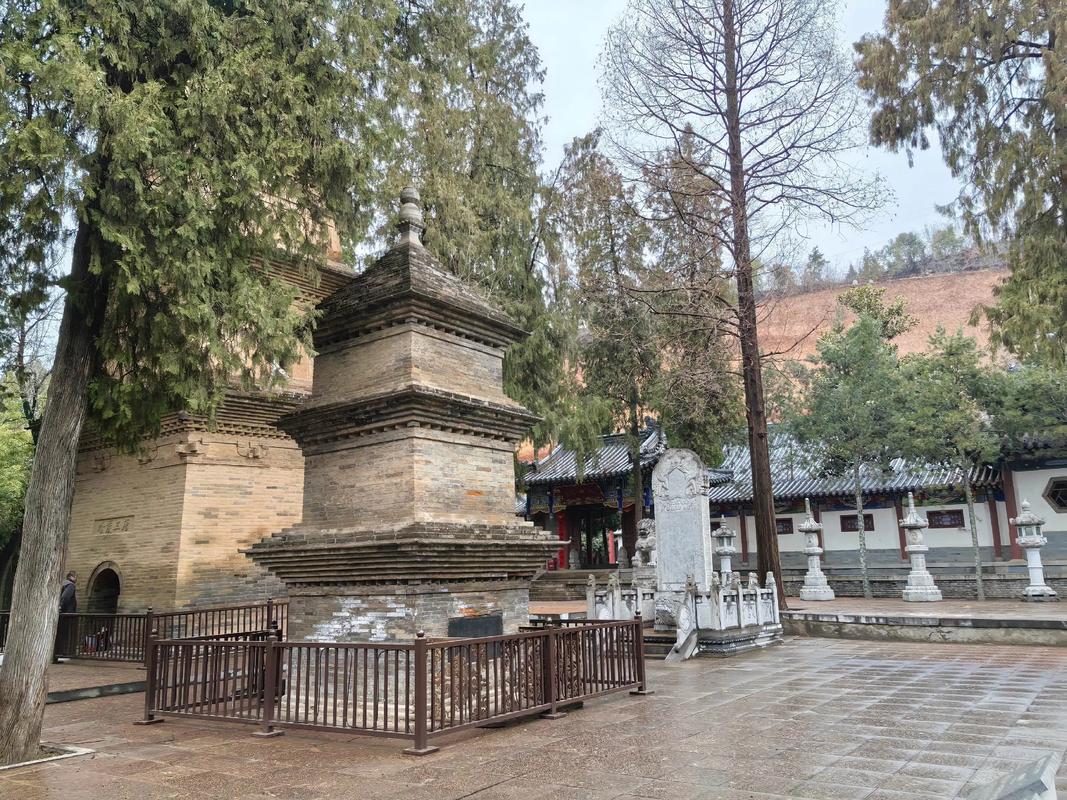
- Location: Chang’an District, Xi’an
- Silk Road Connection: It is the tomb of Xuanzang, a famous Buddhist monk in the Tang Dynasty, and a key cultural heritage site along the Silk Road (Chang’an-Tianshan Corridor) and a UNESCO World Heritage Site. It is an important symbol of the spread of Buddhism along the Silk Road and witnesses the cultural exchange between China and India.
- Highlights for Foreign Tourists: The pagoda is simple and majestic, with a quiet and peaceful environment; visit the Xuanzang Memorial Hall to understand the story of Xuanzang’s pilgrimage to the West and his contribution to Silk Road cultural exchanges; the temple is surrounded by green pines and cypresses, suitable for quiet viewing.
- Practical Tips: Take a bus from the urban area to Chang’an District, then transfer to a local vehicle; the ticket is affordable, and English explanations are available.
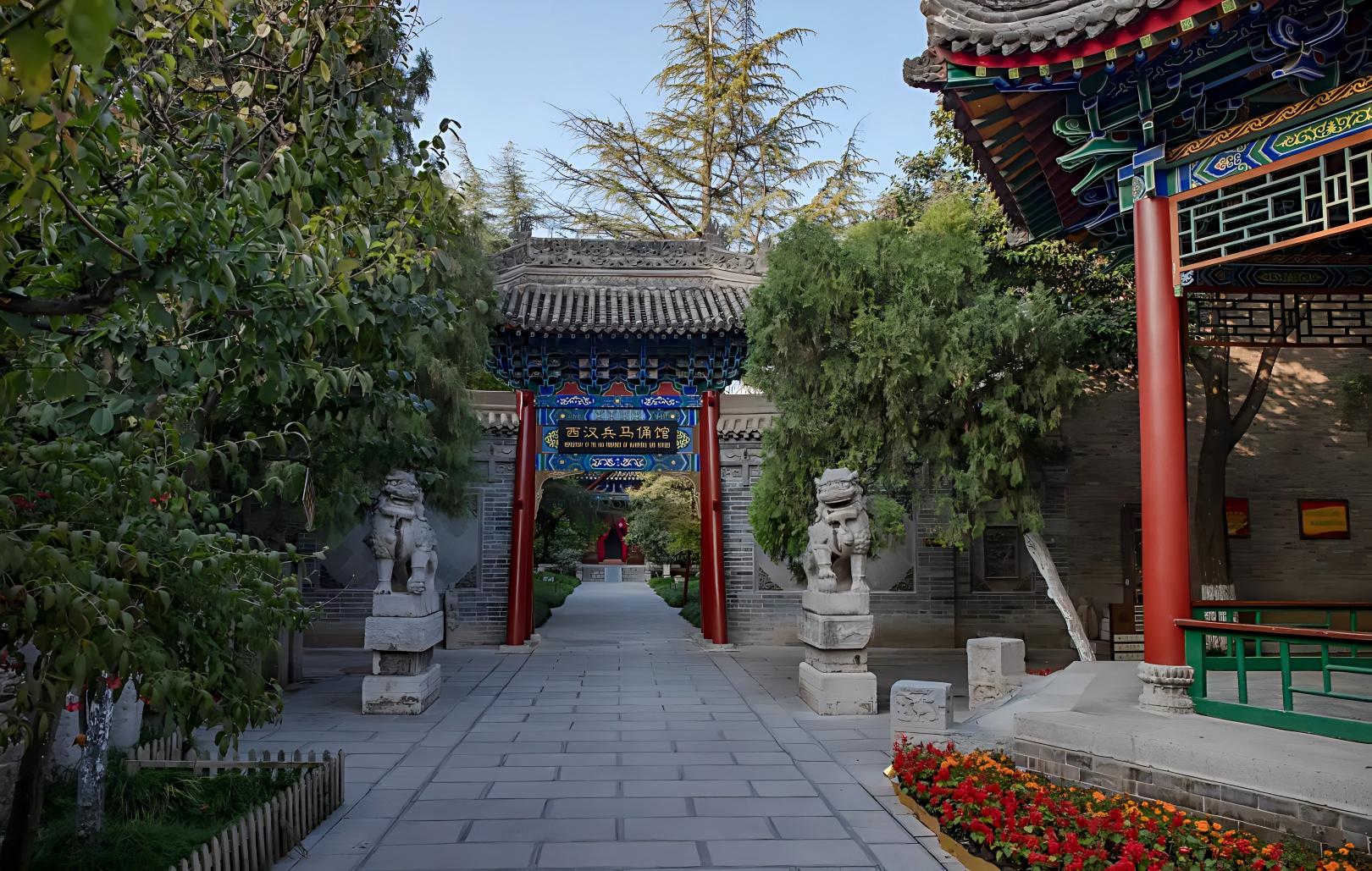
3. Xianyang Museum
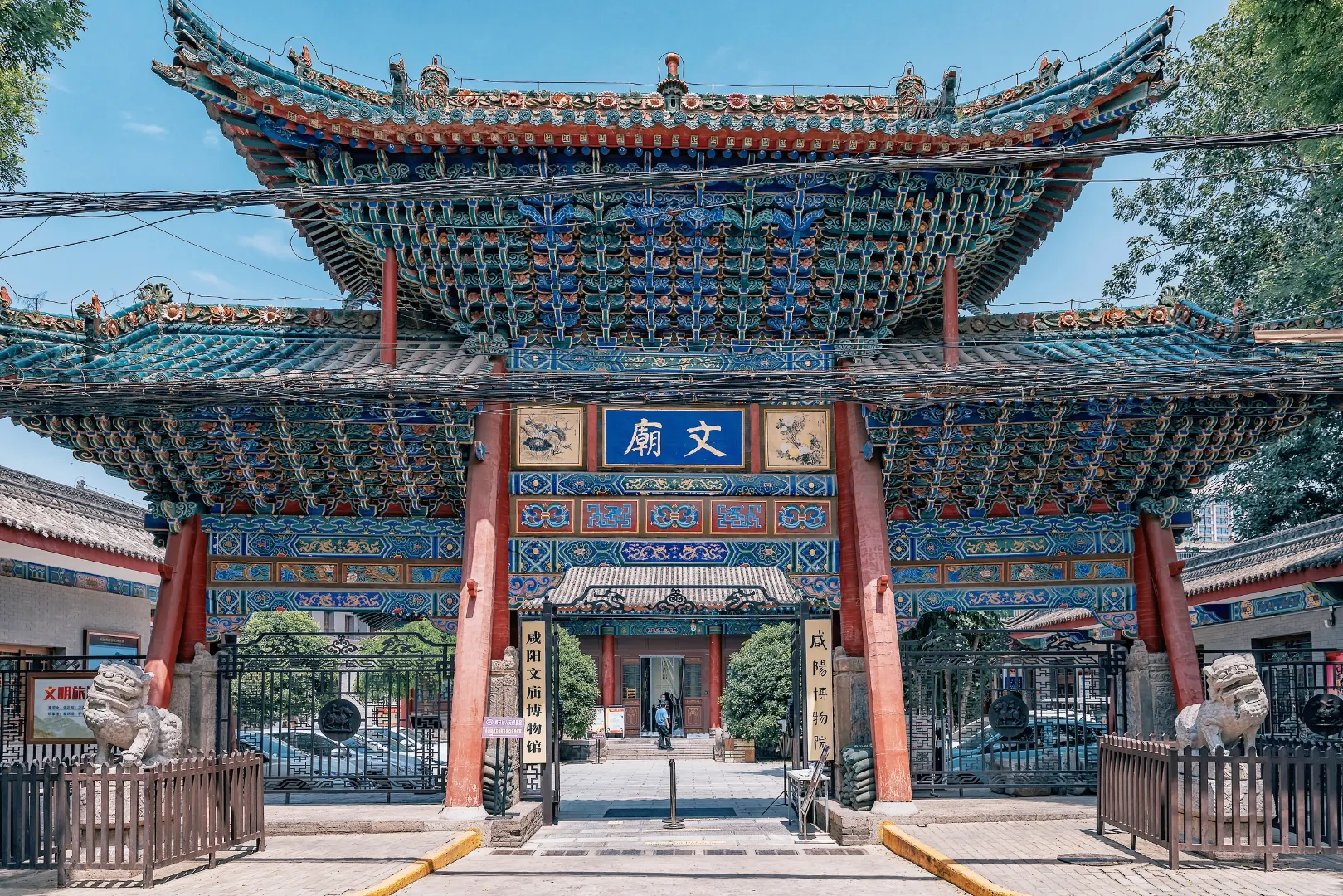
- Location: Xianyang City, near Xi’an (30-minute drive from Xi’an urban area)
- Silk Road Connection: Xianyang was the capital of the Qin Dynasty and an important node on the Silk Road. The museum houses a large number of cultural relics from the Qin and Han dynasties, including foreign cultural relics unearthed from Silk Road sites, which reflect the trade and cultural exchanges between Xianyang and the Western Regions in ancient times.
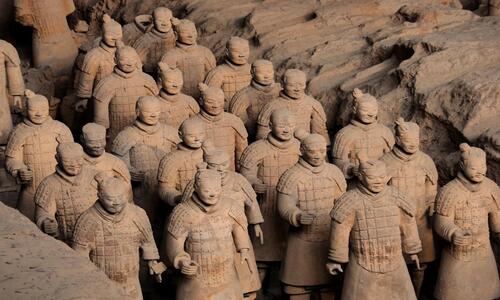
- Highlights for Foreign Tourists: View the Qin Dynasty terracotta warriors and horses, Han Dynasty silk fabrics, and Western Region coins; understand the historical status of Xianyang in the early stage of the Silk Road; the museum is small and quiet, suitable for in-depth viewing.
- Practical Tips: Take a high-speed rail or bus from Xi’an to Xianyang, which is convenient and fast; the ticket is cheap, and it is recommended to spend 1-2 hours visiting.
 Epic 2-Day Xi'an Private Tour: Uncover Terracotta Warriors & the Magic of Datang Everbright City
Smooth Xi'an to Luoyang Day Tour: Enjoy a Comfortable & Efficient High-Speed Train Trip to Longmen Grottoes and Shaolin Temple
Epic 2-Day Xi'an Private Tour: Uncover Terracotta Warriors & the Magic of Datang Everbright City
Smooth Xi'an to Luoyang Day Tour: Enjoy a Comfortable & Efficient High-Speed Train Trip to Longmen Grottoes and Shaolin Temple
Silk Road Cultural Experience in Xi’an
Traditional Handicrafts: Inheriting the Skills of the Silk Road
1. Silk Weaving Experience
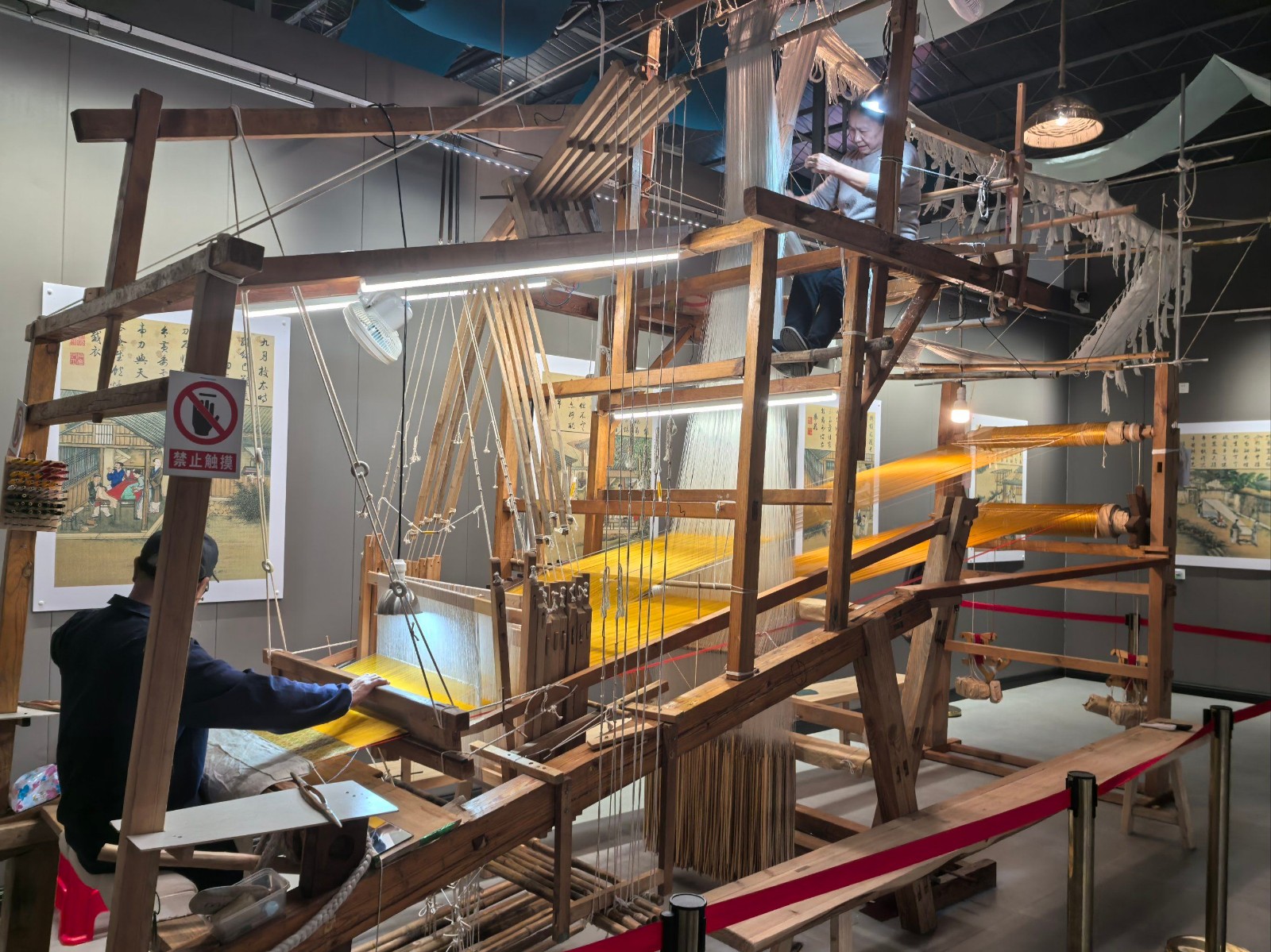
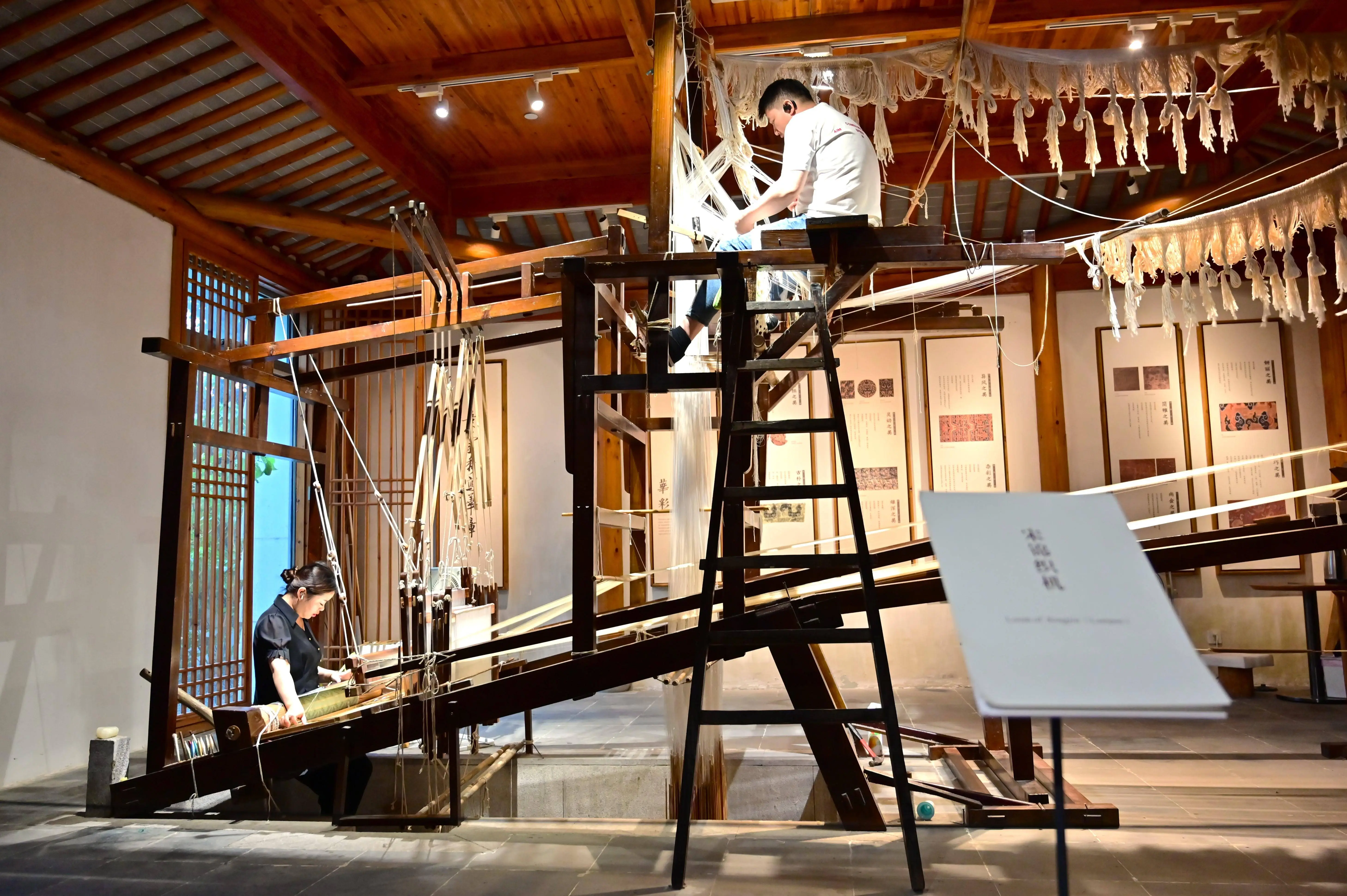
- Background: Silk is the core commodity of the Silk Road, and Xi’an was the main producing area and distribution center of silk in ancient China. The silk weaving technology of Xi’an has a history of thousands of years, inheriting the exquisite skills from the Silk Road era.
- Experience Content: Visit a silk weaving workshop in Xi’an, watch the process of silk weaving by craftsmen, learn simple silk weaving skills under the guidance of professionals (English guidance available), and buy hand-woven silk products (such as scarves, handkerchiefs) as souvenirs.
- Recommended Location: Shuyuanmen Cultural Street, Xi’an Silk Museum
2. Shadow Puppetry Making Experience
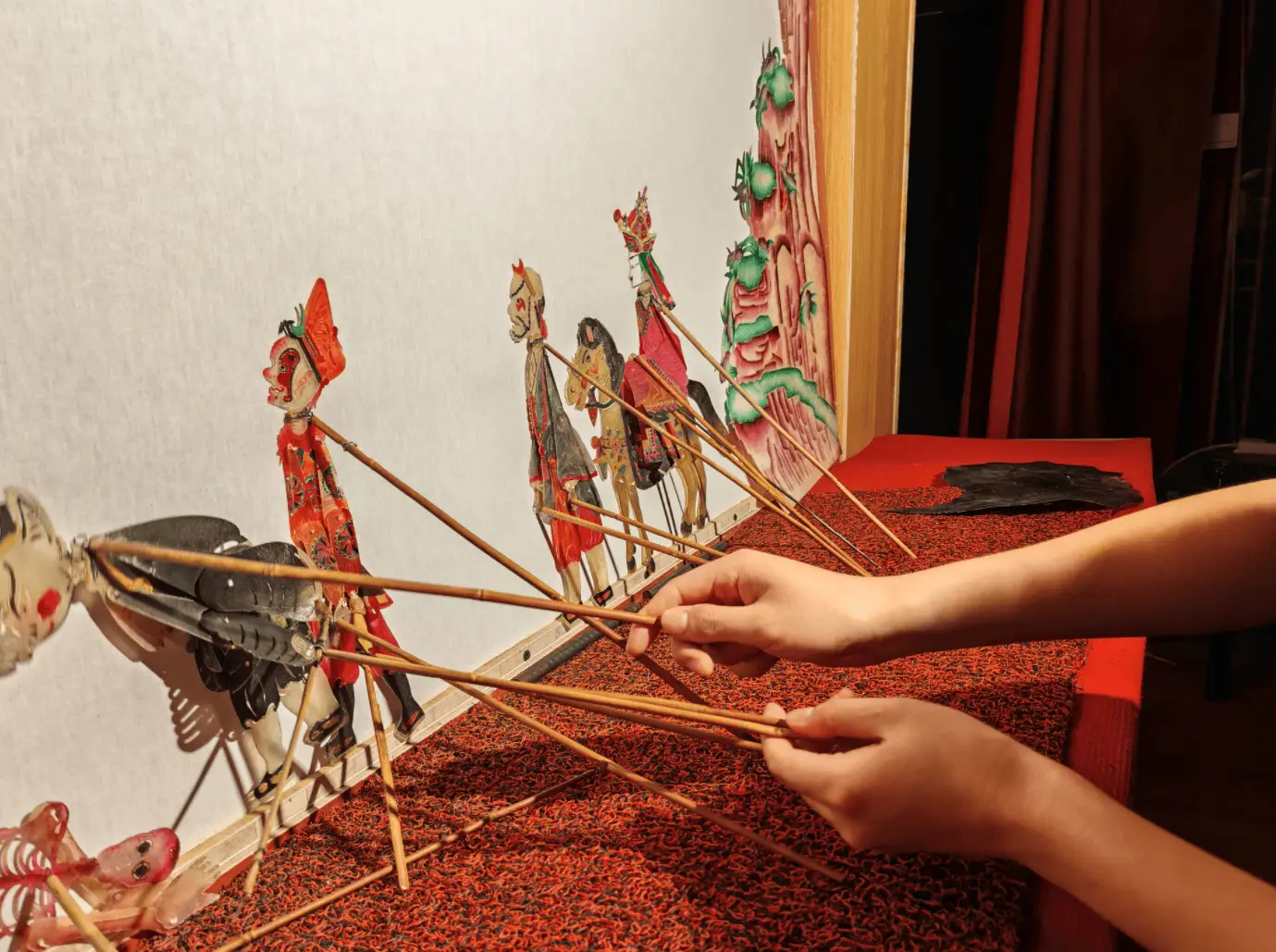
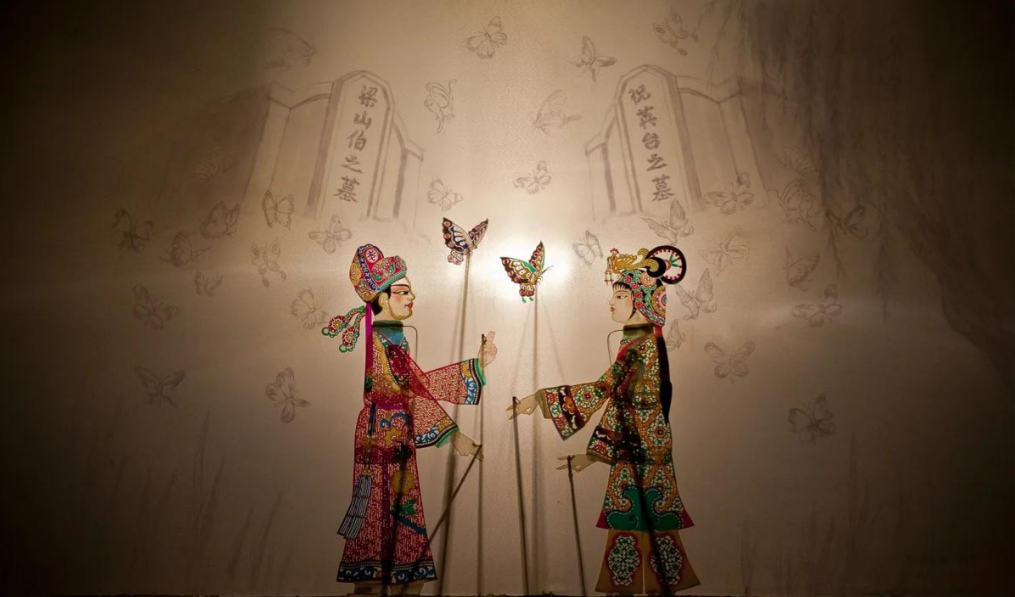
- Background: Shadow puppetry was introduced to China from the Western Regions along the Silk Road and gradually integrated with Chinese folk art, becoming a unique folk art form in Xi’an.
- Experience Content: Under the guidance of shadow puppetry artists, learn to make simple shadow puppetry figures, understand the production process and artistic characteristics of shadow puppetry, and even perform a short shadow puppetry show by yourself.
- Recommended Location: Gaojia Courtyard, Huimin Street
3. Jade Carving and Porcelain Making Experience
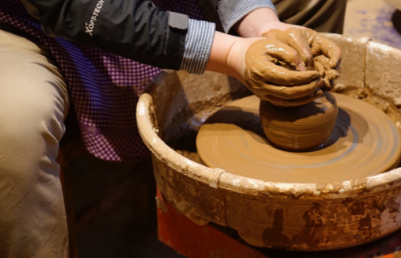
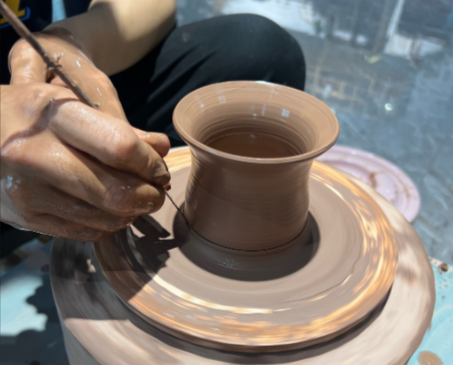
- Background: Jade and porcelain were important export commodities of the Silk Road, and Xi’an’s jade carving and porcelain making technologies were influenced by the Western Regions, forming a unique style.
- Experience Content: Visit a jade carving or porcelain workshop, watch the craftsmen make jade carvings and porcelain, learn basic carving or shaping skills, and take your own works home (additional fees may apply).
- Recommended Location: Huimin Street, Shaanxi History Museum Peripheral Stores
Folk Activities: Feel the Atmosphere of the Silk Road
1. Tang Dynasty Style Parade (Grand Tang Mall)
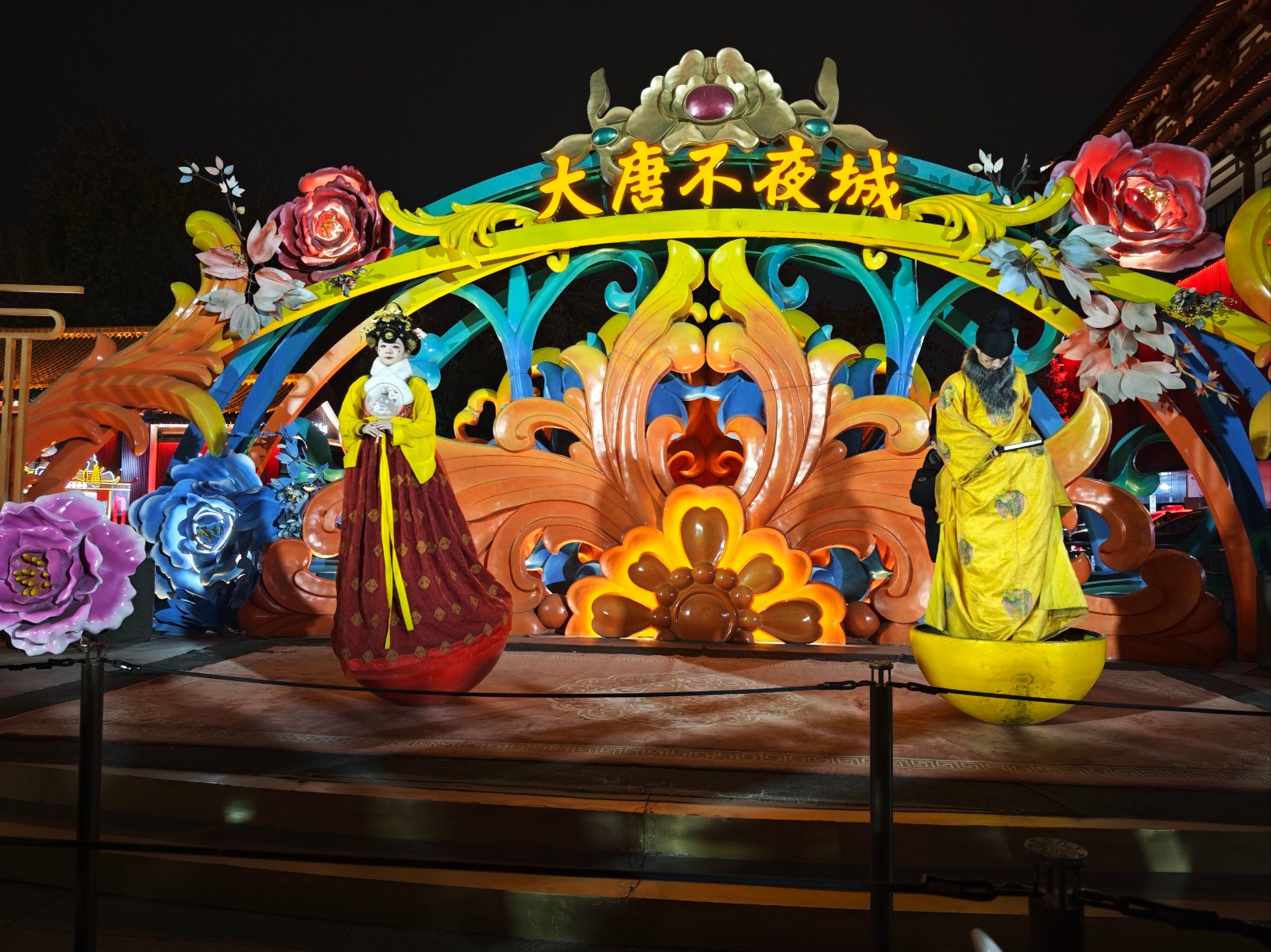
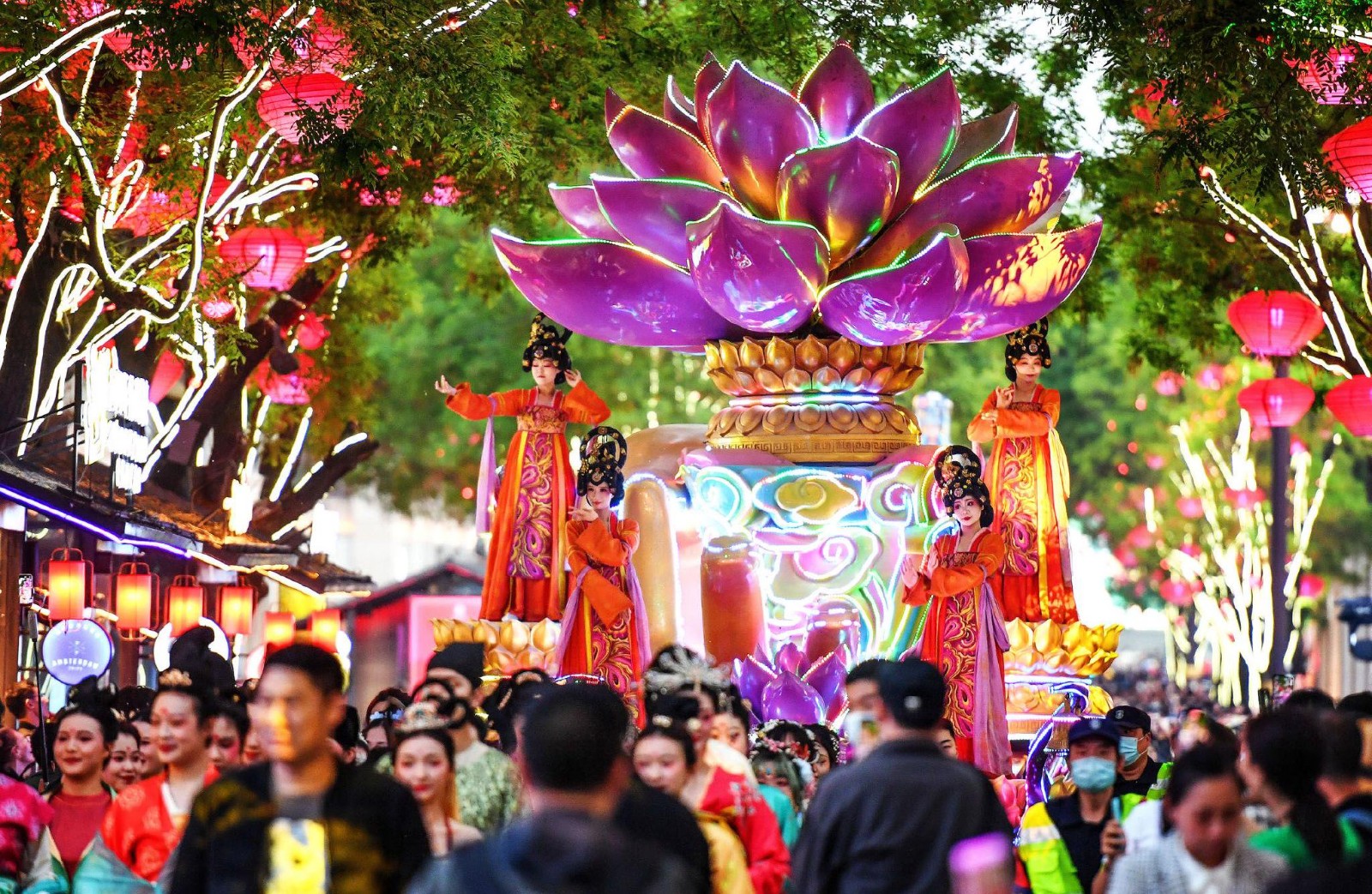
- Time: Every day (evening), with fixed time periods
- Content: Performers dressed in Tang Dynasty costumes (including imperial concubines, envoys, merchants, and monks) parade along the Grand Tang Mall, reproducing the scene of envoys and merchants gathering in Chang’an during the Silk Road era. Foreign tourists can take photos with the performers, experience wearing Tang Dynasty costumes, and feel the prosperity of the Tang Dynasty.
- Highlights: Free to watch; the costumes are exquisite, and the scene is spectacular; there are also Tang Dynasty music and dance performances during the parade.
2. Silk Road Cultural Festival (September-October every year)

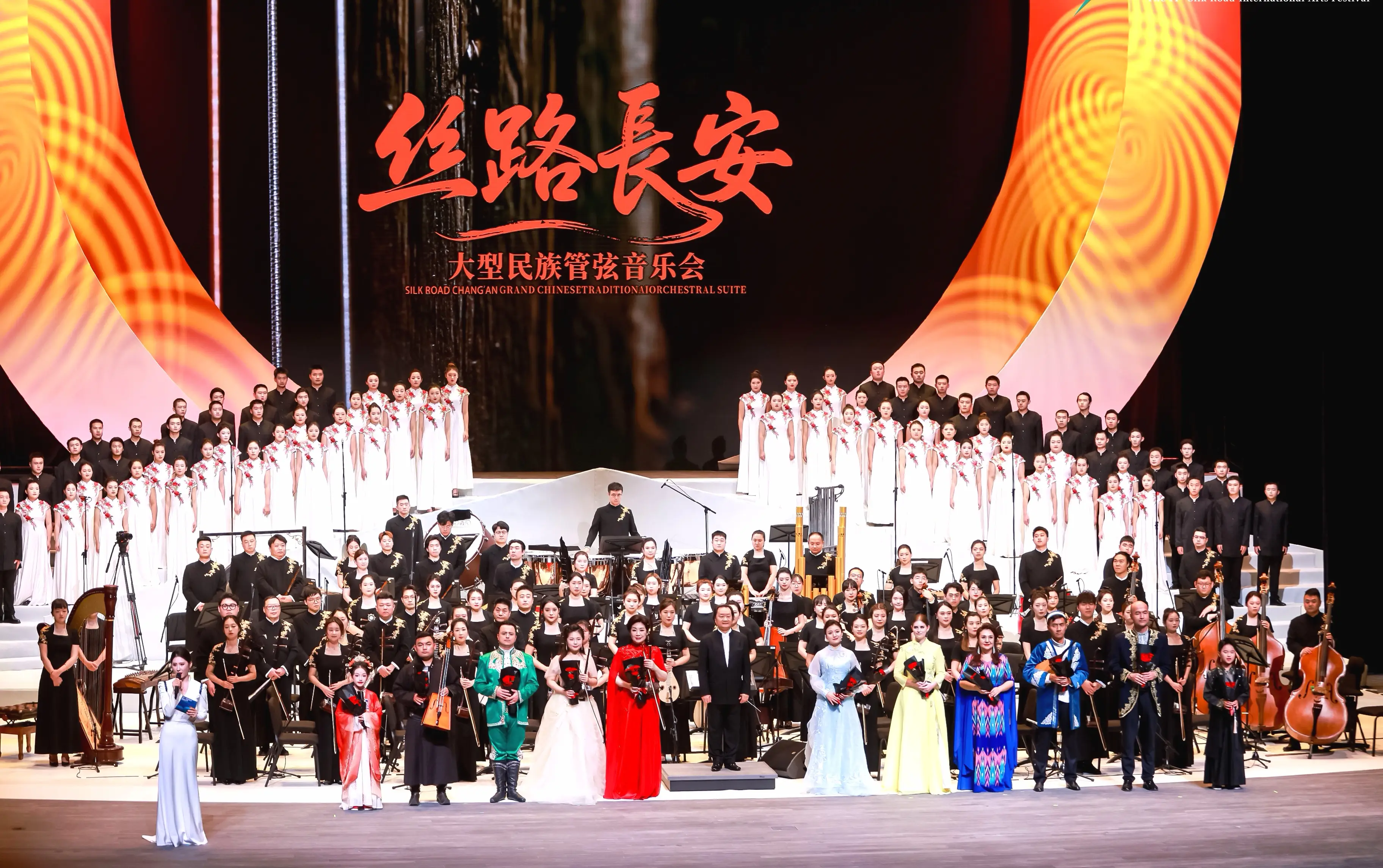
- Content: Held in Xi’an every year, it integrates cultural performances, handicraft exhibitions, food fairs, and academic exchanges. There are performances of folk arts from countries along the Silk Road, exhibitions of Silk Road cultural relics, and sales of characteristic products from various countries, allowing foreign tourists to experience the diverse cultures of the Silk Road in one stop.
- Highlights: English explanations and guides are available; you can taste delicacies from countries along the Silk Road and buy exotic souvenirs.
3. Islamic Folk Customs Experience (Huimin Street)
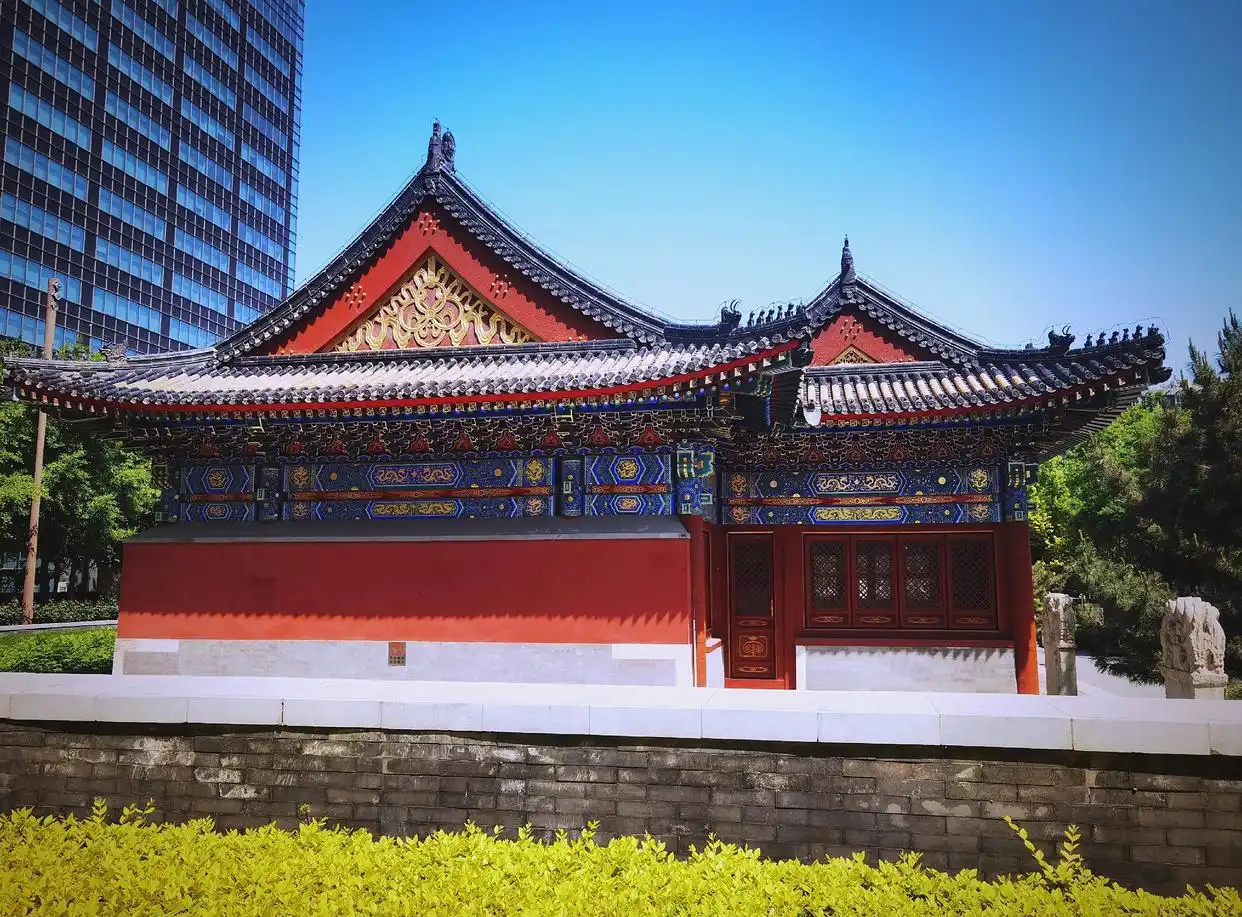
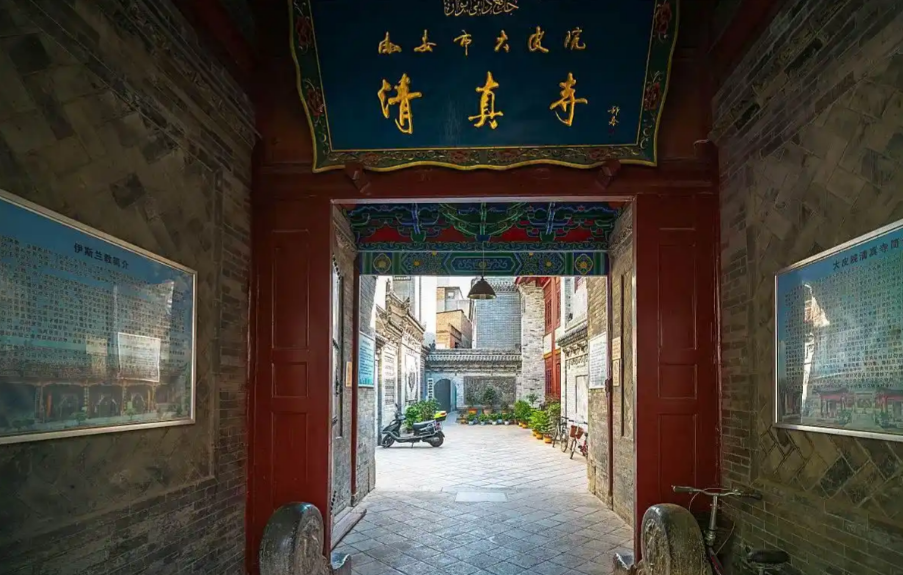
- Content: Visit the Great Mosque in Huimin Street, understand the Islamic culture and customs, watch the Islamic prayer ceremony (observe quietly), taste halal food, and experience the life of the Hui people. The Islamic culture in Xi’an was introduced along the Silk Road, and it is an important part of the multi-cultural integration of Xi’an.
- Highlights: The Great Mosque is open to tourists (excluding prayer time); there are English introductions in the mosque; halal food is suitable for tourists with dietary taboos.
Food Exploration: Taste the Flavors of the Silk Road
1. Signature Dishes Related to the Silk Road
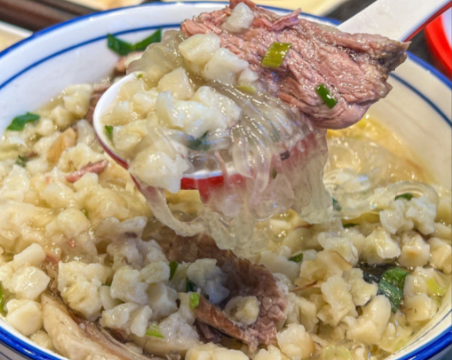
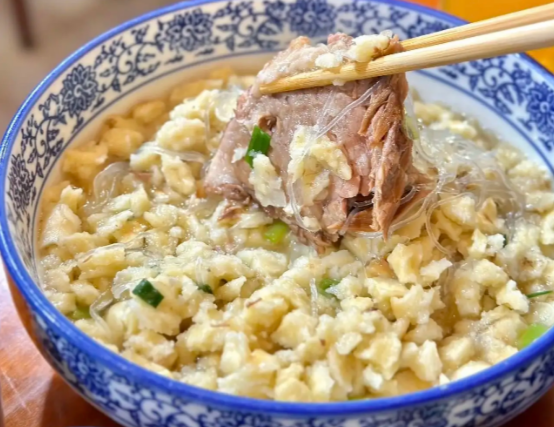
- Yangrou Paomo (Lamb Soup with Bread): A traditional delicacy in Xi’an, with a history of more than 1,000 years, which originated from the diet of nomadic peoples in the Western Regions and was integrated into Xi’an’s diet during the Silk Road era. The production method is unique—you need to tear the bread into small pieces by yourself, then add lamb soup and seasonings, which is warm and delicious.
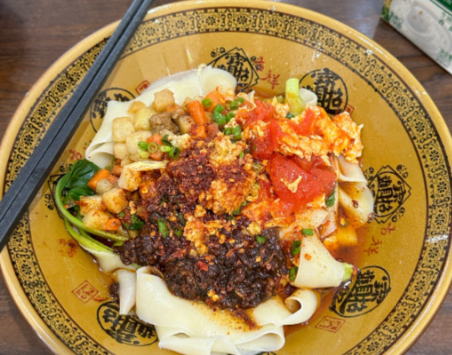
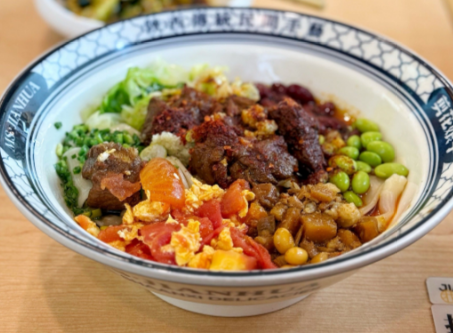
- Biangbiang Noodles: A characteristic noodle dish in Xi’an, with wide and thick noodles, spicy and fragrant taste. The noodles are made by hand, and the production process inherits the food culture of the Silk Road.
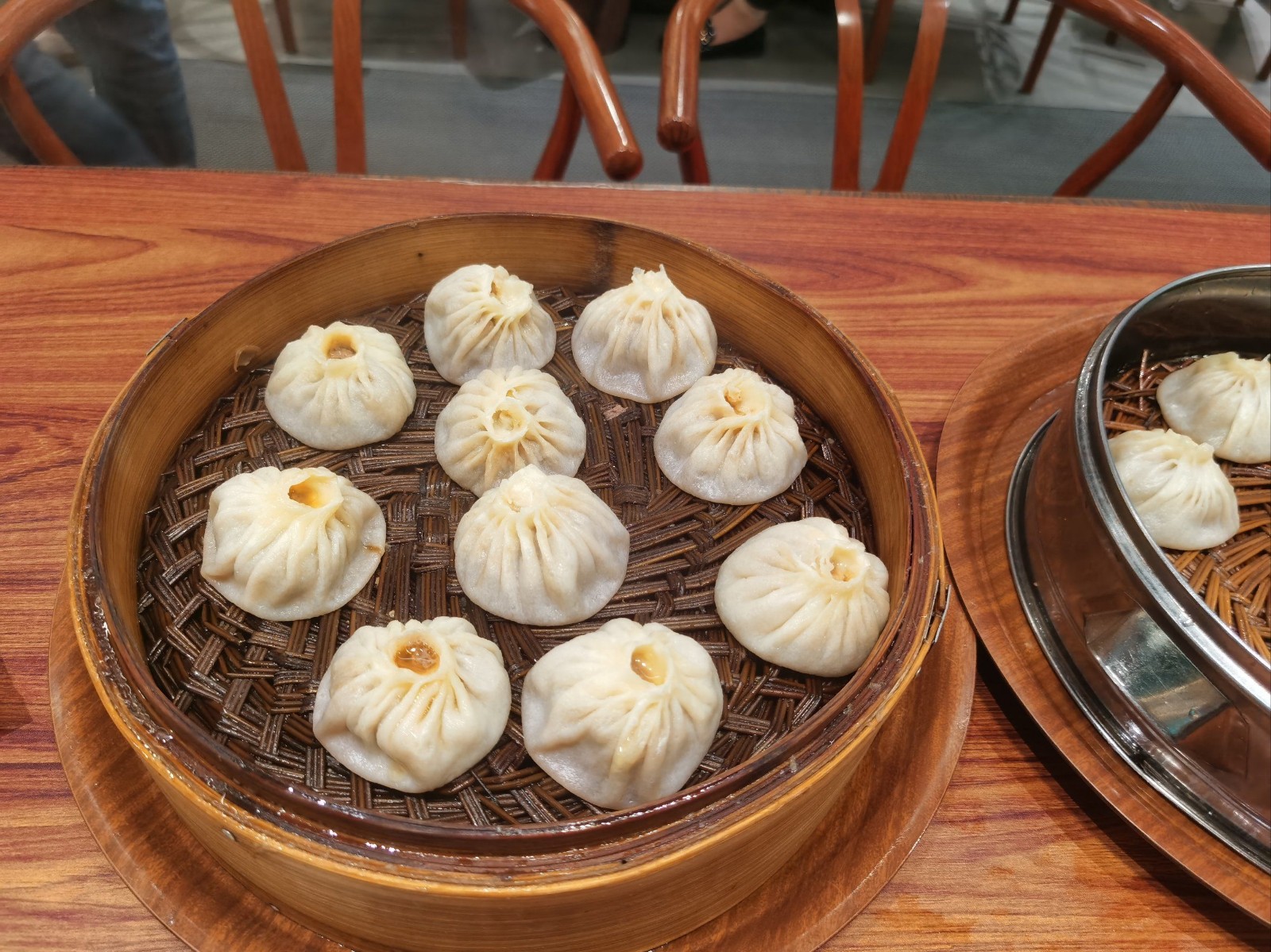
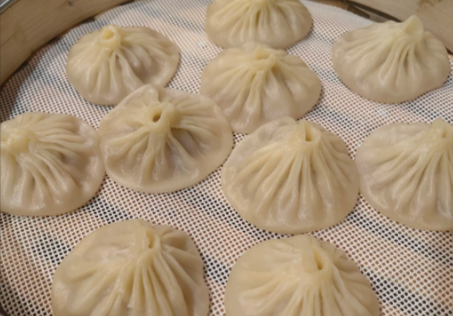
- Guan Tang Bao (Soup Dumplings): Influenced by the food culture of the Western Regions, the dumplings are filled with soup, tender and juicy, and the skin is thin and delicate.
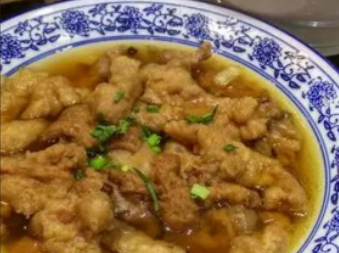
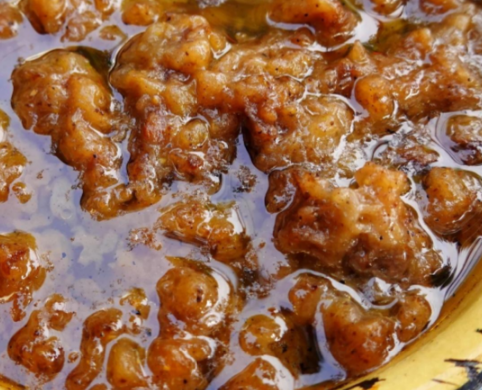
- Xiao Su Rou (Crispy Braised Pork): A halal delicacy, with crispy outer skin and tender inner meat, which is suitable for matching with rice.
2. Snacks and Drinks Along the Silk Road
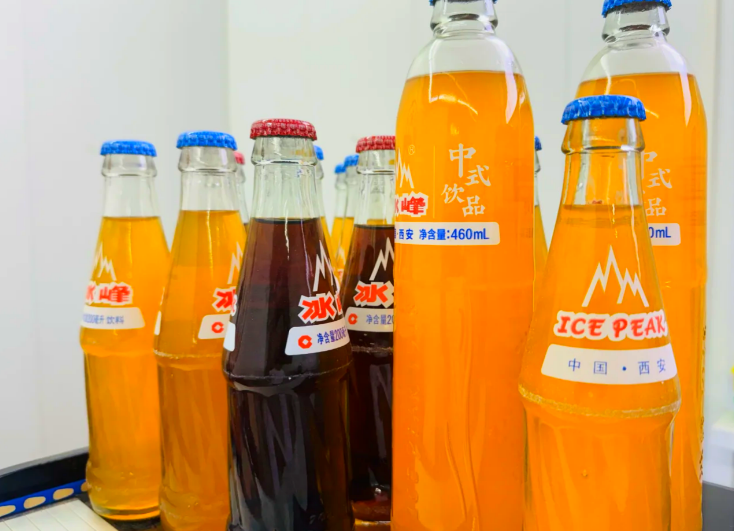
- Bingfeng Soda: A local beverage in Xi’an, with orange flavor, which is a classic match with Roujiamo (Chinese hamburger) and noodles. It has a history of decades and is loved by locals and tourists alike.
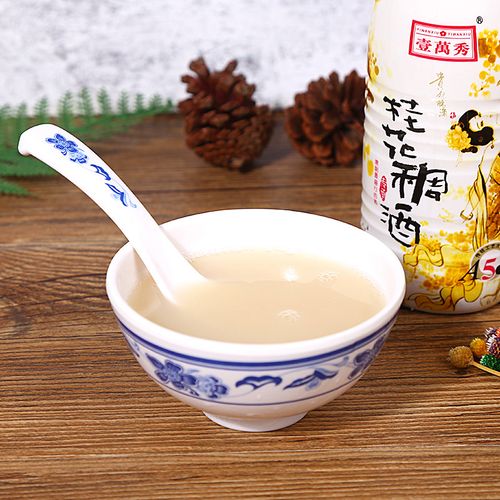
- Osmanthus Thick Wine: A traditional wine in Xi’an, made of glutinous rice, with a sweet taste and low alcohol content, suitable for drinking in winter. It can be found in small stalls in Huimin Street and Yongxingfang.
- Roasted Skewers: Influenced by the diet of Central Asian and Arab merchants along the Silk Road, the roasted skewers in Xi’an are fragrant and tender, with a variety of flavors (lamb, beef, chicken, etc.), which is a must-try snack in Huimin Street.
3. Food Guide for Foreign Tourists
- Dietary Taboos: Huimin Street is a halal area, so do not bring pork or non-halal food into the area; there are many vegetarian options available for vegetarian tourists.
- Ordering Tips: Many local snack shops do not have English menus, so it is recommended to download a translation app (such as Google Translate) that supports photo translation, or take screenshots of common dishes in advance; you can also ask the hotel front desk for recommended dishes and English names.
- Recommended Food Routes: Huimin Street (comprehensive snacks) - Shuyuanmen Cultural Street (traditional snacks) - Yongxingfang (local specialty snacks)
Epic 2-Day Xi'an Private Tour: Uncover Terracotta Warriors & the Magic of Datang Everbright City
 Enchanting 3-Day Xi'an Tour: Explore Terracotta Warriors & Conquer the Majestic Huashan Mountain
Practical Tips
Most foreign tourists need to apply for a Chinese L tourist visa in advance at a local Chinese embassy or consulate, which usually takes 3–5 working days. Prepare a valid passport, application form, and round-trip flight or hotel reservations. Visitors from visa-free or visa-on-arrival countries (e.g., Singapore, Japan, South Korea) should confirm the latest policies first. If staying in China for more than 30 days, you may apply for a temporary residence permit at the local public security bureau.
Visa and Entry Tips
Most foreign tourists need to apply for a Chinese L tourist visa in advance at a local Chinese embassy or consulate, which usually takes 3–5 working days. Prepare a valid passport, application form, and round-trip flight or hotel reservations. Visitors from visa-free or visa-on-arrival countries (e.g., Singapore, Japan, South Korea) should confirm the latest policies first. If staying in China for more than 30 days, you may apply for a temporary residence permit at the local public security bureau.
Transportation Tips- Airport Transportation: Xi’an Xianyang International Airport (XIY) is about 40 kilometers from the urban area. You can take the airport express line (Line 14 of the subway) to the urban area (about 1 hour, 25 yuan), take a taxi (about 100-150 yuan), or use Didi (international version available, supports English and international payment).
- Subway: Xi’an Metro has 8 lines covering major scenic spots and urban areas, with clear English signs. You can buy a one-way ticket (2-7 yuan) at the ticket machine (supports English operation) or apply for a transportation card (20 yuan deposit, rechargeable).
- Taxi: Taxis in Xi’an are metered, with a starting price of 8 yuan (3 kilometers), and 2 yuan per kilometer after exceeding 3 kilometers. It is recommended to use the Didi app to call a taxi to avoid price gouging; most taxi drivers do not speak English, so you can show the scenic spot name in Chinese or use a translation app.
- Inter-city Transportation: To visit peripheral attractions (such as Huaqing Palace, Terracotta Army), you can take a bus from the urban area, join a one-day tour group (with English guides), or take a high-speed rail (for Xianyang, etc.).
Accommodation Tips
- Recommended Areas: Stay in the old urban area (near Bell Tower, Drum Tower, Huimin Street) for convenient access to core scenic spots and food streets; stay near Dayan Pagoda for a quiet environment and easy access to the Grand Tang Mall and Daming Palace.
- Hotel Selection: Most star hotels and mid-range hotels in Xi’an provide English services (front desk, room service), and support international payment methods (Visa, Mastercard). It is recommended to book hotels on international platforms (such as Booking, Agoda) in advance, and pay attention to the distance from the scenic spots and transportation hubs.
- Budget Tips: Budget hotels cost 150-300 yuan per night, mid-range hotels 300-800 yuan per night, and high-end star hotels over 800 yuan per night. You can get discounts by booking in advance or during non-peak seasons.
Language and Communication Tips
- Common Phrases: Learn simple Chinese phrases in advance, such as "Hello (Ni Hao)", "Thank you (Xie Xie)", "How much is it (Duo Shao Qian)", "Where is the toilet (Ce Suo Zai Na Li)", which will greatly facilitate communication.
- Translation Tools: Download a translation app (such as Google Translate, Baidu Translate) that supports Chinese-English mutual translation and photo translation, which can help translate menus, road signs, and communicate with locals.
- English Services: Key scenic spots (Terracotta Army, Shaanxi History Museum), star hotels, and large shopping malls have English-speaking staff and English signs; you can also ask the hotel front desk to help call an English-speaking tour guide.
Safety and Etiquette Tips
- Personal Safety: Keep your passport, cash, and valuables safe when traveling; avoid going to remote areas alone at night; be cautious of street scams (such as fake souvenirs, overpriced goods).
- Public Etiquette: Queue up in public places (scenic spots, subway, bus); do not litter or spit; when visiting religious sites (Great Mosque, temples), dress modestly (avoid short skirts, sleeveless tops) and observe relevant regulations (do not take photos during prayer time).
- Emergency Contact: The emergency call in China is 110 (police), 120 (medical rescue), 119 (fire alarm); keep the phone number of your country’s embassy or consulate in China handy.
Season and Dressing Tips
- Spring (March-May): The weather is mild, with an average temperature of 10-20?. Wear a jacket, sweater, and comfortable walking shoes; it may rain occasionally, so prepare an umbrella.
- Summer (June-August): Hot and rainy, with an average temperature of 25-35?. Wear light and breathable clothes (short sleeves, shorts), sun hat, and sunglasses; apply sunscreen and carry a water bottle to prevent heatstroke.
- Autumn (September-November): Cool and pleasant, with an average temperature of 10-25?. Wear a jacket or thin down jacket; it is the best season for traveling to Xi’an.
- Winter (December-February): Cold and dry, with an average temperature of -5-10?. Wear thick down jacket, hat, scarf, and gloves; keep warm.
Payment and Shopping Tips
- Payment Methods: Most shops, restaurants, and scenic spots in Xi’an support mobile payment (WeChat Pay, Alipay), but foreign tourists may need to bind an international card. It is recommended to carry a certain amount of cash (Chinese Yuan) for small transactions (such as street snacks, small shops).
- Shopping Recommendations: Buy Silk Road-related souvenirs such as hand-woven silk, shadow puppets, and jade carvings in Shuyuanmen Cultural Street and Huimin Street; buy local specialties such as osmanthus thick wine and preserved fruits in large supermarkets (such as Carrefour, RT-Mart), which are more affordable and guaranteed.
- Tax Refund: Foreign tourists can enjoy tax refund for shopping in designated stores (look for the "Tax Refund" sign); prepare your passport and shopping receipts, and go through the tax refund procedures at the airport before departure.
FAQs
Q: Do I need to prepare a power adapter when traveling to Xi’an? What type of power plug is used in Xi’an?
A: Yes, it is recommended to prepare a universal power adapter. The power plugs used in Xi’an are mainly Type A and Type I: Type A has two flat pins, and Type I has three flat pins (the same as the plugs used in Australia and China). Most hotels provide temporary adapters, but preparing your own will be more convenient.
Q: Can I bring my daily medications into China? Are there any restrictions?
A: You can bring daily medications for personal use into China, but you need to meet the following requirements: the amount of medications should be for personal use only (usually no more than 3-month supply), and you should carry the original prescription or a doctor’s certificate to prove the purpose of the medications. It is prohibited to bring narcotic drugs, psychotropic drugs and other controlled drugs without official approval.
Q: Can I experience camel riding in Xi’an to feel the Silk Road atmosphere? Where is the best place to do it?
A: Yes, you can experience camel riding in Xi’an. The best place is near the Terracotta Army Scenic Area, where there are professional camel riding spots that simulate the desert scenery of the Silk Road. In addition, some scenic spots around the Ancient City Wall also provide camel riding experiences occasionally, but the Terracotta Army area is more authentic and safe. The price is usually around 50-100 yuan per person for a short ride.
Q: Are there any English-speaking guides available for the Silk Road cultural experience activities (such as silk weaving, shadow puppetry making)?
A: Most of the recommended experience spots (such as Xi’an Silk Museum, Gaojia Courtyard) have English-speaking instructors or guides. When you book the experience in advance, you can note that you need English guidance, and the store will arrange professional staff to serve you. For small workshops, you can use a translation app to communicate with the craftsmen, who are very patient to teach you.
Q: What should I pay attention to when watching Qinqiang performances? Is there any cultural etiquette I need to follow?
A: When watching Qinqiang performances, you should keep quiet and avoid talking loudly or using mobile phones with the sound on, so as not to affect other audiences and performers. Qinqiang is a traditional local opera with a loud and passionate tune; it is polite to applaud after the performance to express your appreciation. There is no strict dress code, but it is recommended to dress neatly and appropriately. Taking photos is allowed, but please do not use flash.
Q: Can I take silk products or shadow puppets bought in Xi’an out of China? Are there any restrictions?
A: Yes, you can take hand-woven silk products and shadow puppets (ordinary handicrafts) out of China, and there are no special restrictions. However, it is not allowed to take cultural relics or imitations of cultural relics (such as fake Tang Dynasty tri-color glazed pottery) out of China without official approval. When buying souvenirs, it is recommended to ask the store to issue a purchase certificate to avoid unnecessary trouble during customs inspection.
Q: Is there free WiFi available in major scenic spots and public places in Xi’an? How can I connect to it?
A: Most major scenic spots, star hotels, shopping malls and subway stations in Xi’an provide free WiFi. For scenic spots and public places, you can search for the WiFi name (usually with the name of the scenic spot or "Xi’an Public WiFi") on your mobile phone, select it to connect, and verify your identity by entering your mobile phone number (international phone numbers are supported) to receive the verification code.
Prev: Xi'an Facts
Next: The Best Time to Visit Xi’an: A Complete Guide to Xi'an’s Weather and Seasons
Wechat: YourWayHolidayAsia
24 Hours Hotline:
+86 137-3541-1378
Certificate of Excellence
2012 ~ 2026

Your Way Holiday
* Authentic Experiences: Genuine local experiences that immerse you in the true essence of Xi'an and beyond.
* Safety First: Highest safety standards with secure activities and reliable transportation.
* Customizable Tours: Flexible itineraries tailored to your interests and needs.
* Local Expertise: In-depth knowledge of Xi'an and China, offering exclusive insights.
* Professional Guides: Licensed bilingual guides with over 5 years of experience.
* Comfortable Travel: Experienced drivers and well-maintained vehicles for a smooth journey.
* Sustainable Tourism: Commitment to responsible tourism and supporting local communities.
* Customer-Focused: Personalized service and continuous improvement based on your feedback.
* Free Cancellation: Cancel up to 24 hours before travel for flexibility and peace of mind.
* 24/7 Support: Round-the-clock assistance for any questions or help needed.
(Your Privacy is Protected)
 Xi'an Muslim Quarter Travel Guide: Street Food, Culture & Nightlife
 Exploring Grand Tang Mall Xi'an: Shopping, Dining, and Entertainment in the Heart of the Ancient City
 Hukou Waterfall Travel Guide: Visiting the Yellow River’s Most Spectacular Hukou Waterfall from Xi'an
 Huashan Mountain Travel Guide: Hiking the Most Dangerous and Beautiful Peak in China
.jpg "The Song of Everlasting Sorrow: A Timeless Tale of Love and Tragedy in Xi'an") The Song of Everlasting Sorrow: A Timeless Tale of Love and Tragedy in Xi'an
The Song of Everlasting Sorrow: A Timeless Tale of Love and Tragedy in Xi'an Exploring Xi'an Qinling Wildlife Park: A Natural Adventure in the Heart of the Qinling Mountains
 Discover the Terracotta Warriors in Xi'an: A Complete Guide to China’s Ancient Army
  Big Wild Goose Pagoda
1 to 1 tailor-made service from our professional travel advisors for the most sophisticated
Constantly excellent reviews for attraction, hotel and service Competitive price
Local experts provide quality tours Best selected knowledgeable local guides Authentic local restaurants
7*24 hours available to create you a worry-free tour. No Hidden Fees and absolutely no pressure to buy. Secured








Copyright © 2017 www.xianprivatetour.com All rights reserved. 浙ICP备18056007号-6