24 Hours Hotline: +86 137-3541-1378
Email:[email protected]
24 Hours Hotline: +86 137-3541-1378
Email:[email protected]
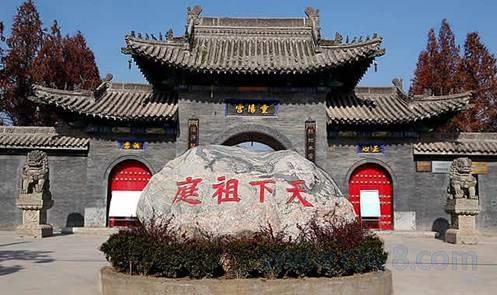
Chongyang Palace
Brief Introduction
Chongyang Palace, a venerable Taoist temple where Wang Chongyang, a forefather of Taoism culture, learned Taoism doctrines and was later buried. It's 45 kilometers (about 28 mi) from the city center, is located in Zu'an, a small town in Huxian County of Xian. It is one of the birthplaces of the Quanzhen School, a branch of Taoism. Chongyang Taoist Temple, a Taoist holy land, ranks first among the three birthplaces. The other two are White Cloud Temple in Beijing and Palace of Eternal Joy in Shanxi, a province in central China.
The name of Chongyang Taoist Temple originates from Wang Chongyang who combined the ideology of Confucianism, Buddhism and Taoism to establish the Quanzhen School. The seven famous personages of the School in ancient China were his students. They also made great contributions to the development of Taoism in the ensuing years.
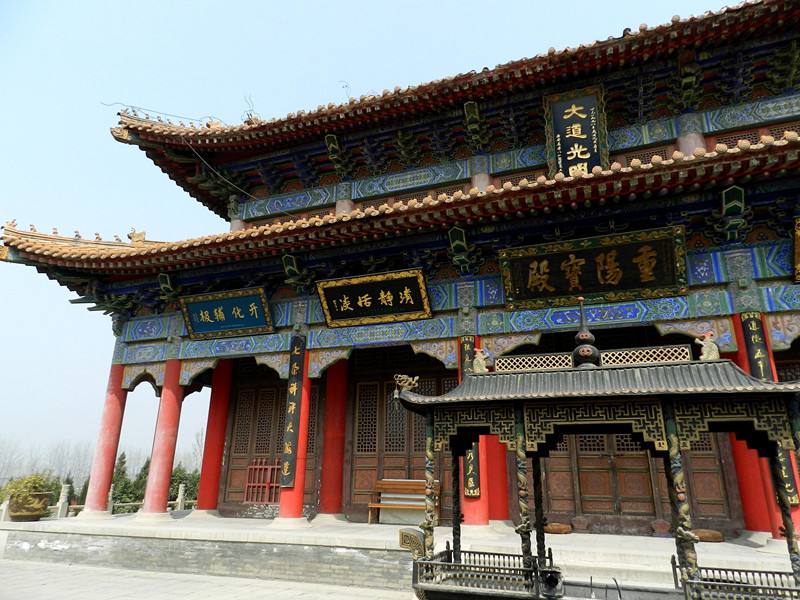
The temple was first built as a Taoist Temple in Wang Chongyang’s old residence upon his death. Ma Yu, the director of the Quanzhen School at that time signed “Zuting” for the temple which meant it was the residence of the founder of a certain School. After Ma Yu died, the emperor agreed to build Lingxu Taoist Temple in the same place at the request of Wang Chuyi, one of Wang Chongyang’s students. Later Qiu Chuji, one of the seven big personages, advised changing the name to Chongyang Taoist Temple. During the reign of the Shizu Emperor of the Yuan Dynasty (1215-1294), the temple was imperially named Royal Chongyang Long Live Palace. After several restorations, though, some remains are still showing the brilliance of Taoism. The main scenic spots are Zu’an Forest of Steles, Footprint Rock, Fairy Bridge, Living-Dead Tomb, Wenchang Pavilion and Double Saints Palace and others.
Wang Chongyang
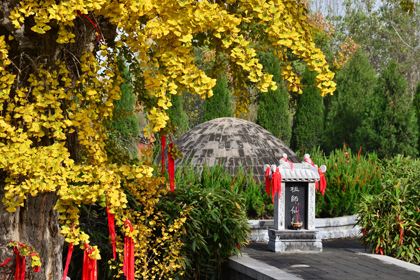
Wang Chongyang was a Chinese Taoist and one of the founders of the Quanzhen School in the 12th century during the Jin dynasty (1115–1234). He was one of the Five Northern Patriarchs of Quanzhen. He also appears as a character in works of wuxia fiction.
Highlights
Living-Dead Tomb
Living-Dead Tomb is located in the Chengdao Palace. It was dug and named by Wang Chongyang himself and later he lived there for seven years. After seven years of life in the Living-Dead Tomb, Wang brought himself to light again. He decided to pursue his dream in a personal manner. Actually, the tomb we can see today has an underground room. It has been blocked out of concern for tourists' safety.
Footprint Rock
Footprint Rock was so named due to a story of Wang Chongyang. It was said that as Wang Chongyang cultivated his ideology, a grain of sand happened to be affected by Wang’s spirit. After that, the sand became stronger and stronger eventually becoming a rock. When Wang Chongyang realized that it is necessary to stop the sand, he kicked and hit the arrogant “rock” leaving his footprint and palm print. The footprint and palm print we can still see today remind us of the power of Taoism.
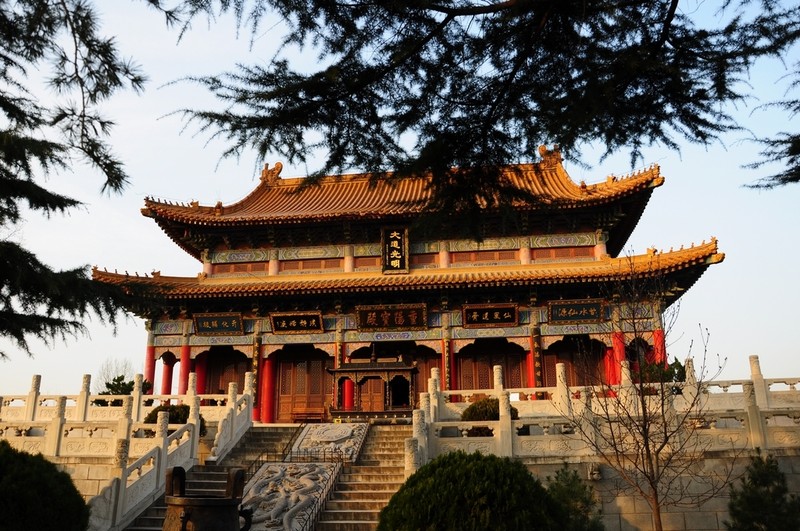
Wenchang Pavilion
The name of Wenchang Pavilion originates from an imaginary god——the Wenchang Emperor. He was considered directing fame, knowledge and written articles in ancient China. It is said that he also can bless the students who take part in the imperial examination. In the ancient times, the intellectuals held fete in Wenchang Pavilion hoping to have good luck in the pursuit of fame. The two children beside the Wenchang Emperor are Heavenly Deaf and Earthly Mute. The special arrangement aims to prevent cheating in the imperial examination. Nowadays, on the first floor of Wenchang Pavilion, an altar has been erected exclusively in honor of the Wenchang Emperor.
Transportation
How to get there
Bus Route: Take bus No. 928, 930, 901
Travel Guide
Admission Fee: CNY 25
Opening Time: Monday to Friday: 08:30-17:00
Saturday and Sunday: 08:00-17:00
Address: Chuanyan Nineteen Summits Scenic Spots, Xinchang County
Time For Visit: 2 Hours
Prev: Cuihua Mountain
Next: Tang Dynasty Dance Show
Duration:6-8 hours
Attractions(Cities):Terracotta Warriors, Bell Tower, Muslim Quarter
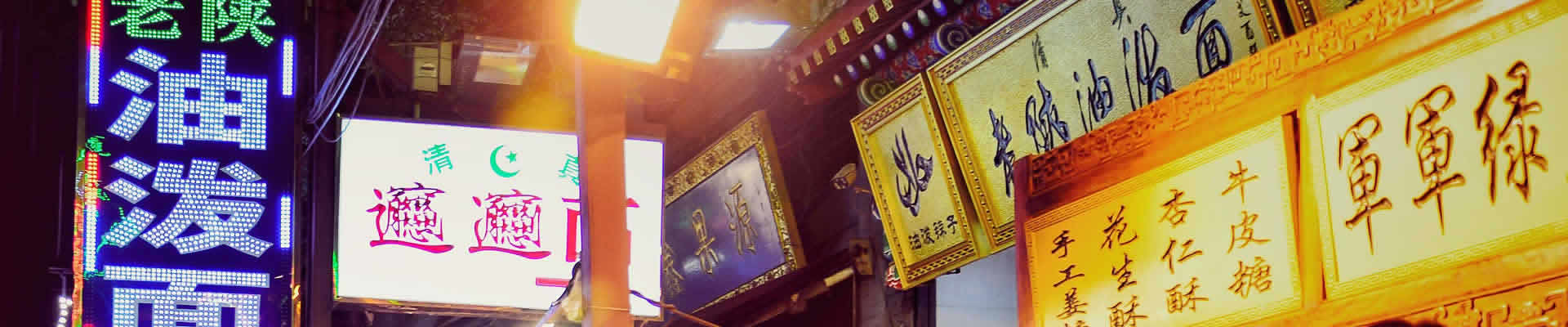
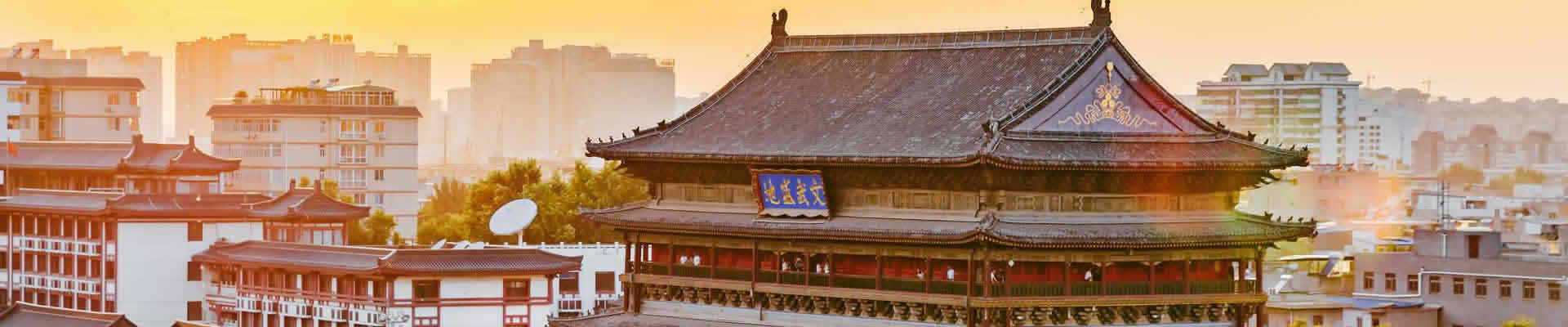
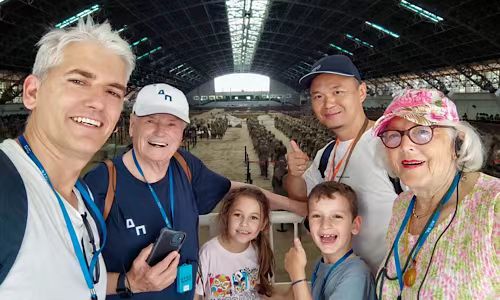
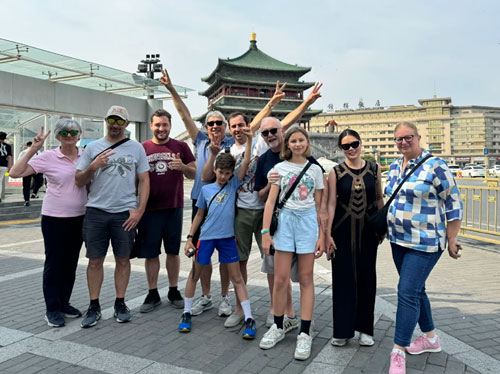
Tour Style:This one-day private tour covers the essential sights of Xi'an with a local guide and a private car. The morning is at the Terracotta Warriors and Horses Museum in Lintong, where the excavated pits hold thousands of life-sized soldiers, horses, and chariots made for the First Emperor Qin Shi Huang over 2,000 years ago. In the afternoon you see the Ming-dynasty Bell Tower at the center of the old city, then walk the Muslim Quarter, a lane district tied to the Silk Road and known for hand-pulled noodles, roujiamo, and persimmon cakes. Entrance tickets, guide, and private transport are included. Pickup and drop-off are at your Xi'an hotel, at a Xi'an train station, or at the airport.
Duration:6-8 hours
Attractions(Cities):Xi'an Ancient City Wall, Big Wild Goose Pagoda, Xi'an Great Mosque, Muslim Quarter
Tour Style:This Xi'an city tour spends a day inside the old walled city with a local guide and a private car. It starts at the Xi'an Ancient City Wall, a Ming-dynasty brick fortification that runs about 13.7 km around the old town, where you can walk or rent a bike on the top. Next is the Big Wild Goose Pagoda, a seven-story Tang tower raised in 652 AD to hold the Buddhist scriptures the monk Xuan Zang carried back from India. Then the Great Mosque of Xi'an, the largest mosque in China, laid out across a chain of courtyards, and finally the Muslim Quarter, a Hui lane district in the city, for street food and browsing. Entrance tickets, guide, and private transport are included. Pickup and drop-off are at your Xi'an hotel, a Xi'an train station, or the airport.
Duration:5-6 Hours
Attractions(Cities):Terracotta Warriors
Tour Style:This half-day private tour goes to the Terracotta Warriors and Horses Museum in Lintong, about an hour east of Xi'an, with a local guide and a private car. You move through the three exhibition pits with your guide, who covers how the army was made for the First Emperor Qin Shi Huang more than 2,000 years ago and what the excavation still shows. The museum holds more than 8,000 life-sized soldiers, horses, and chariots; you see the main pit in full, then the officers and war chariot in the small command pit and the mixed formations in the cavalry pit. Entrance fees, guide, and city transport are included, and the tour can start in the morning or the afternoon. Pickup and drop-off are at your Xi'an hotel or a Xi'an train station.
Duration:8 hours
Attractions(Cities):Mt. Huashan
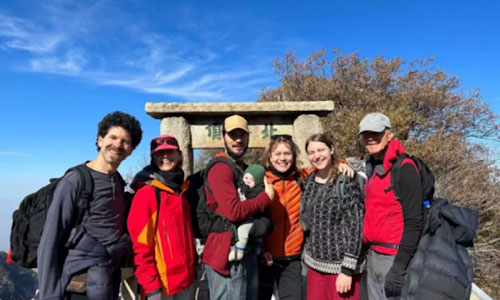
Tour Style:This day trip runs from Xi'an to Mt. Huashan, one of the Five Sacred Mountains of China, with a local guide and a private car. The drive takes about two hours each way. At the mountain you take the North Peak shuttle bus and cable car up to Cloud Terrace Peak at 1,614 meters, then walk the marked ridges and rock formations on the north side. Your guide covers the Taoist sites on the mountain and the legends behind the named rocks, including why the range is called Wealth Mountain. The price includes pickup and drop-off at your Xi'an hotel, a train station, or the airport, private car service with a driver, guiding, and entrance fees.
Duration:8-9 hours
Attractions(Cities):Longmen Grottoes, Shaolin Temple
Tour Style:This day tour is based in Luoyang and covers two of its best-known sights, the Longmen Grottoes and the Shaolin Temple, with a local English-speaking guide. Your guide meets you at Luoyang Longmen train station in the morning and takes you first to the Longmen Grottoes, a UNESCO World Heritage site of Buddhist cave carvings cut into the cliffs along the Yi River canyon from the Northern Wei dynasty onward. In the afternoon you continue to the Shaolin Temple at the foot of the Songshan Mountains, the monastery long tied to Chan Buddhism and to Shaolin kung fu, where you watch a kung fu demonstration. The day runs about 8 to 9 hours. Entrance fees and transport between the sites are included; lunch is at your own expense. It ends back at Luoyang Longmen train station or at your Luoyang hotel.
Wechat: YourWayHolidayAsia
24 Hours Hotline:
+86 137-3541-1378
Certificate of Excellence
2012 ~ 2026

Your Way Holiday
(Your Privacy is Protected)
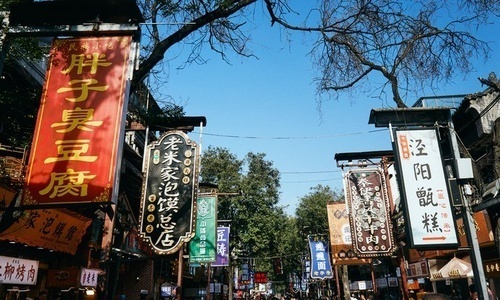 Xi'an Muslim Quarter Travel Guide: Street Food, Culture & Nightlife
 Exploring Grand Tang Mall Xi'an: Shopping, Dining, and Entertainment in the Heart of the Ancient City
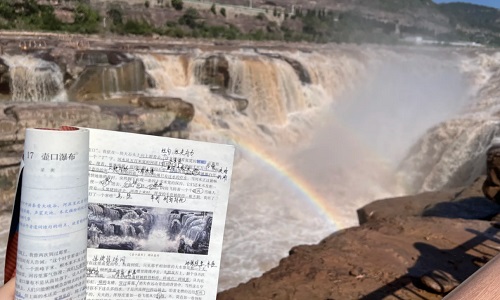 Hukou Waterfall Travel Guide: Visiting the Yellow River’s Most Spectacular Hukou Waterfall from Xi'an
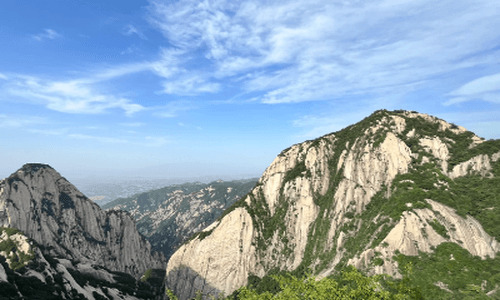 Huashan Mountain Travel Guide: Hiking the Most Dangerous and Beautiful Peak in China
.jpg "The Song of Everlasting Sorrow: A Timeless Tale of Love and Tragedy in Xi'an") The Song of Everlasting Sorrow: A Timeless Tale of Love and Tragedy in Xi'an
 Exploring Xi'an Qinling Wildlife Park: A Natural Adventure in the Heart of the Qinling Mountains
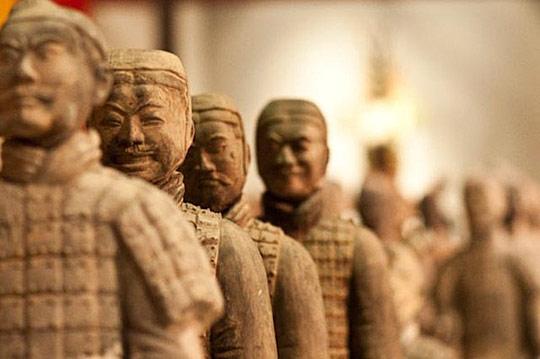 Discover the Terracotta Warriors in Xi'an: A Complete Guide to China’s Ancient Army
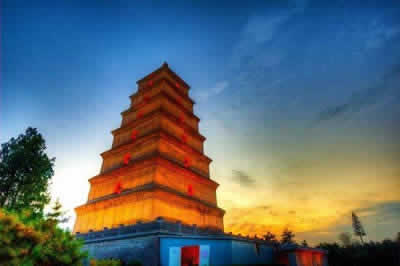 Big Wild Goose Pagoda
1 to 1 tailor-made service from our professional travel advisors for the most sophisticated
Constantly excellent reviews for attraction, hotel and service Competitive price
Local experts provide quality tours Best selected knowledgeable local guides Authentic local restaurants
7*24 hours available to create you a worry-free tour. No Hidden Fees and absolutely no pressure to buy. Secured









Copyright © 2017 www.xianprivatetour.com All rights reserved. 浙ICP备18056007号-6