How to Travel from Shanghai to Xi’an: Best Ways to Get There
Post Date: 2020/04/12 16:48
Shanghai and Xi'an, two of China’s most iconic cities, offer a striking contrast—Shanghai’s modern skyline and bustling streets represent China’s rapid growth, while Xi'an’s ancient landmarks like the Terracotta Army and City Wall showcase its rich history. Located 1,300 kilometers apart, this guide helps international visitors navigate the journey between them. We’ll cover everything from ticketing platforms and language barriers to transfer logistics and local customs. With practical tips tailored to your travel style, budget, and itinerary, whether you’re planning a quick trip or a leisurely exploration, this guide will ensure a smooth journey from Shanghai to Xi'an.
 Shanghai to Xian Tour: 2-Day Xian Terracotta Warriors Tour From Shanghai by Flight
 Tours From Shanghai: 1 Day Classic Xian City Tour From Shanghai with Optional Air Ticket
Overview of Travel Options
1. Flights
* Advantages:
· Fast: The quickest way to travel between Shanghai and Xi'an.
· Convenient: Frequent flights and flexible departure times.
* Disadvantages:
· Price Fluctuation: Flight prices can vary widely, especially closer to the departure date.
· Airport Transit: Additional time and cost are required to travel to and from the airport, particularly during peak hours.
2. Trains
* Advantages:
· Comfortable: Spacious seats and a comfortable travel environment.
· No Airport Security: Direct departure from the city center without the hassle of airport security.
· Scenic Views: Enjoy beautiful views of China's countryside during the journey.
* Disadvantages:
· Longer Travel Time: The train ride takes several hours longer than flying.
· Ticket Availability: During peak seasons, tickets may be hard to come by, requiring early booking.
3. Self-Driving
* Advantages:
· High Flexibility: You can stop wherever you like, making it ideal for those who want to explore along the way.
· Scenic Route: The drive offers the chance to enjoy the changing landscapes across different regions of China.
· Comfort: You can take breaks whenever you need and avoid the crowds of public transport.
* Disadvantages:
· Fatigue: Long hours of driving can be tiring, and you need to stay focused.
· Traffic and Parking: In large cities, finding parking can be challenging, and navigating busy traffic can be stressful.
· Higher Costs: In addition to fuel and tolls, car rental fees (if applicable) and highway fees may add up.
4. Bus
* Advantages:
· Affordable: Bus tickets are generally much cheaper than flights or high-speed train tickets.
· Direct Travel: No need to change transportation; the bus goes directly from Shanghai to Xi'an.
* Disadvantages:
· Long Travel Time: The bus ride is exhausting and time-consuming.
· Limited Comfort: Buses are less comfortable, with limited space and no amenities.
Detailed Core Transportation Methods
A. By Flight
a. Flight Basic Info
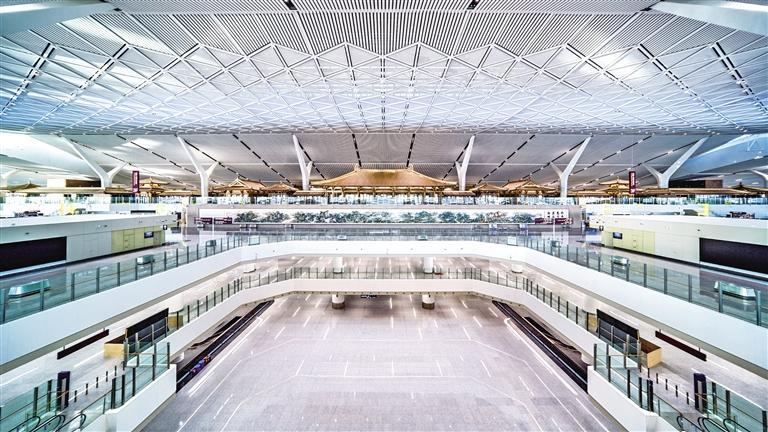
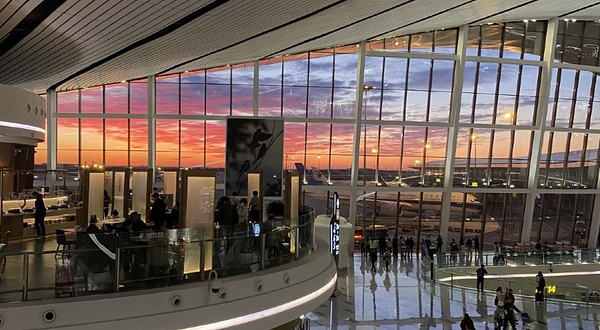
Air travel between Shanghai and Xi’an is the most time-efficient option, relying on a well-connected network of three key airports, with tailored services for both business and leisure travelers. Departure airports in Shanghai cater to different needs:
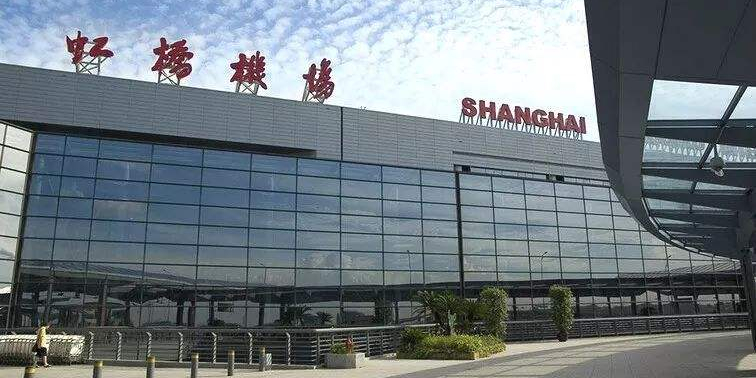
Shanghai Hongqiao International Airport (SHA) is the preferred choice for downtown travelers, located just 15-18 km from the city center (e.g., The Bund, Nanjing Road) and offering mostly domestic flights with shorter check-in and boarding processes.
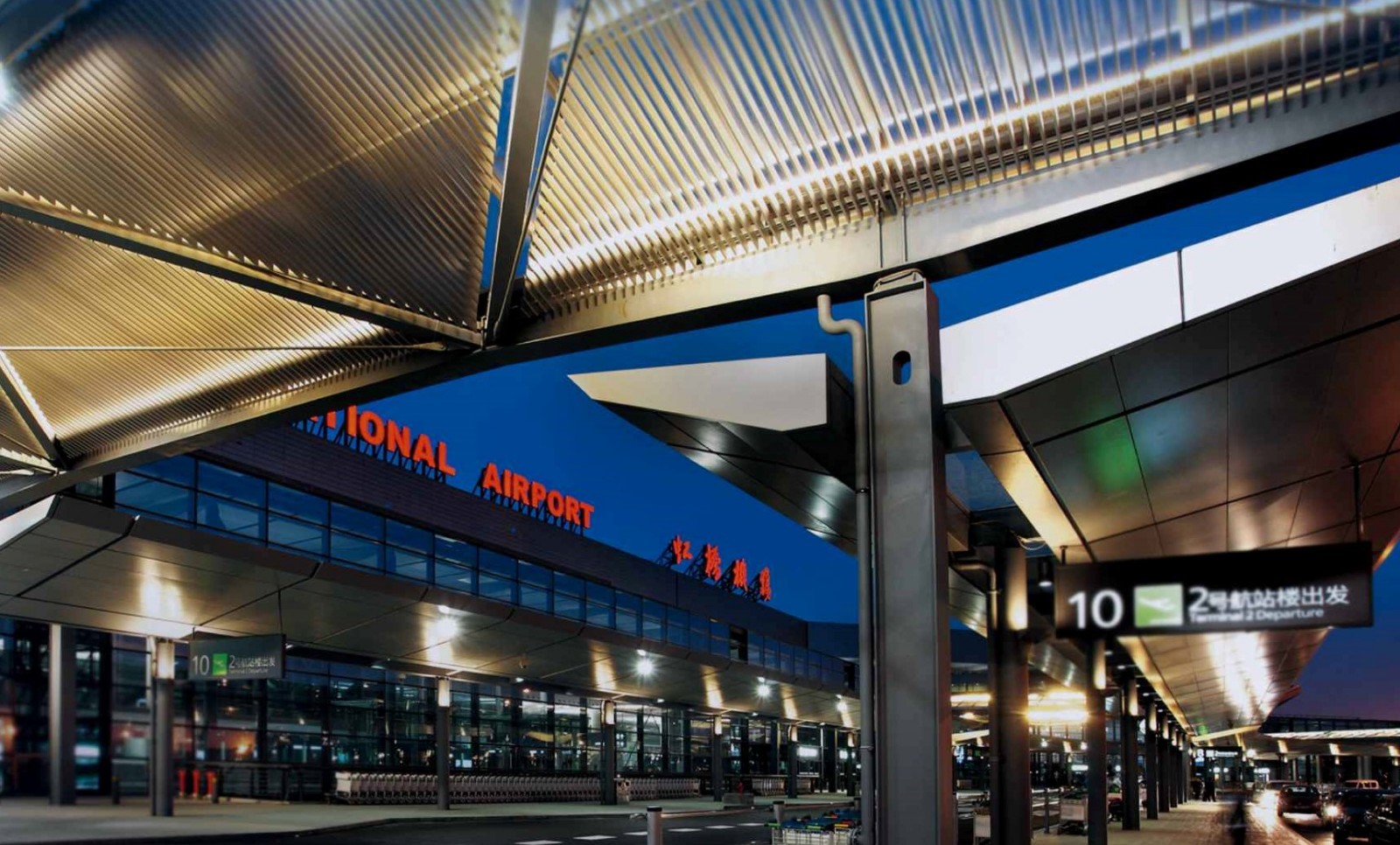
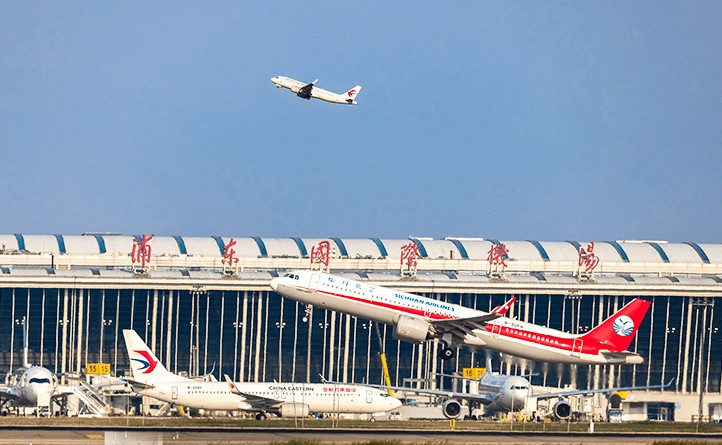
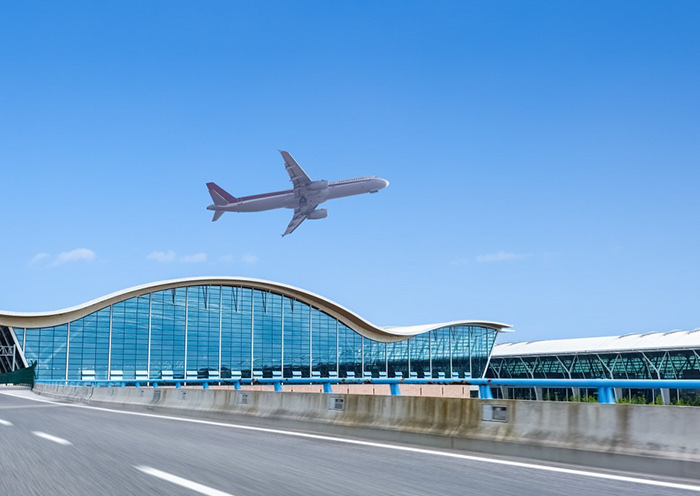
Shanghai Pudong International Airport (PVG), 40 km from downtown, handles a mix of international and domestic flights, with larger aircraft and more flexible schedules but longer transfer times. Both airports are operated by Shanghai Airport Authority, ensuring standardized facilities and services.
All flights arrive at Xi’an Xianyang International Airport (XIY), a 4E-class airport serving Xi’an and the Guanzhong Plain region, located 30 km northwest of Xi’an’s city center. The route is dominated by China’s “Big Three” airlines—Air China, China Eastern Airlines, and China Southern Airlines—along with regional carriers like Hainan Airlines and Juneyao Airlines. There are over 100 weekly direct flights, with peak-hour frequencies (7:00–9:00 AM, 6:00–8:00 PM) offering flights every 30–60 minutes, ensuring high flexibility for last-minute adjustments.
The non-stop flight time is consistently 2.5–3 hours, unaffected by traffic or weather conditions (except for rare delays due to heavy rain, fog, or air traffic control). Fare dynamics are predictable but fluctuate sharply by season and booking window:
· Off-peak periods (January–February except Spring Festival, March–April, September–October weekdays): Round-trip fares start from 800 CNY for economy class, with discounts of up to 40% when booking 4–6 weeks in advance via Trip.com or airline official websites. These fares typically include 20 kg of checked luggage and 5 kg of carry-on luggage.
· Peak periods (Spring Festival, National Day, summer vacation (July–August), weekends): Economy class round-trip fares surge to 1,500–2,000 CNY, with full-price tickets reaching 3,000 CNY for last-minute bookings. Business class fares, which include priority check-in, lounge access, and in-flight meals, range from 4,000–6,000 CNY round-trip year-round.
* Notably, some airlines offer “light fares” (no checked luggage) for off-peak travel, which can be 100–200 CNY cheaper than standard economy fares—ideal for travelers with carry-on-only luggage. Additionally, connecting flights (e.g., via Beijing, Chengdu) are rarely necessary due to the high frequency of direct flights, but they may be cheaper during extreme peak seasons (e.g., Spring Festival) with total travel times of 5–8 hours.
 Tours From Shanghai: 2 Days Xi'an Essence Tour from Shanghai by Bullet Train
 Exciting 3-Day Xian Cultural Tour from Shanghai by Flight: A Complete Shanghai to Xian 3-Day Experience
b. Airport Transfer & Total Time
Total air travel time is not just the flight duration—it includes airport transfers, check-in, security checks, and boarding, which can add 1.5–3 hours to the journey.
* Total Time Calculation
· Minimum total time (optimal conditions): 4 hours (30 minutes transfer to SHA + 1 hour check-in/security + 2.5 hours flight + 30 minutes transfer to Xi’an downtown).
· Maximum total time (rush hour/peak season): 6 hours (60 minutes transfer to PVG + 1.5 hours check-in/security (peak crowds) + 3 hours flight + 60 minutes transfer to Xi’an downtown (traffic jam)).
B. By High-Speed Train
a. Train Basic Info
High-speed trains (CRH series) between Shanghai and Xi’an are operated by China State Railway Group, offering a balance of speed, comfort, and reliability—making them the most popular choice for foreign travelers. The route runs along the Shanghai–Xuzhou–Zhengzhou–Xi’an high-speed railway, a key section of China’s “Eight Vertical and Eight Horizontal” high-speed rail network, with no intermediate stops for benchmark trains to maximize efficiency.
1. Stations Details
* Departure Station: Shanghai Hongqiao Railway Station (SHA Hongqiao) – a modern, integrated transportation hub with 30 platforms, dedicated to high-speed and intercity trains. It is not connected to Shanghai Railway Station (for normal trains) or Shanghai South Railway Station, so travelers must confirm the station name before departure (tickets clearly mark “Shanghai Hongqiao”).
* Arrival Station: Xi’an North Railway Station (Xian North) – the largest high-speed rail station in northwest China, with 18 platforms, located 10 km north of Xi’an’s city center. It is separated from Xi’an Railway Station (for normal trains), so transfer plans must be adjusted accordingly.
2. Fare Structure & Seat Classes
Fares are fixed by China State Railway Group, with no dynamic pricing (unlike flights), so prices remain consistent year-round (only seat class affects cost). Detailed breakdown:
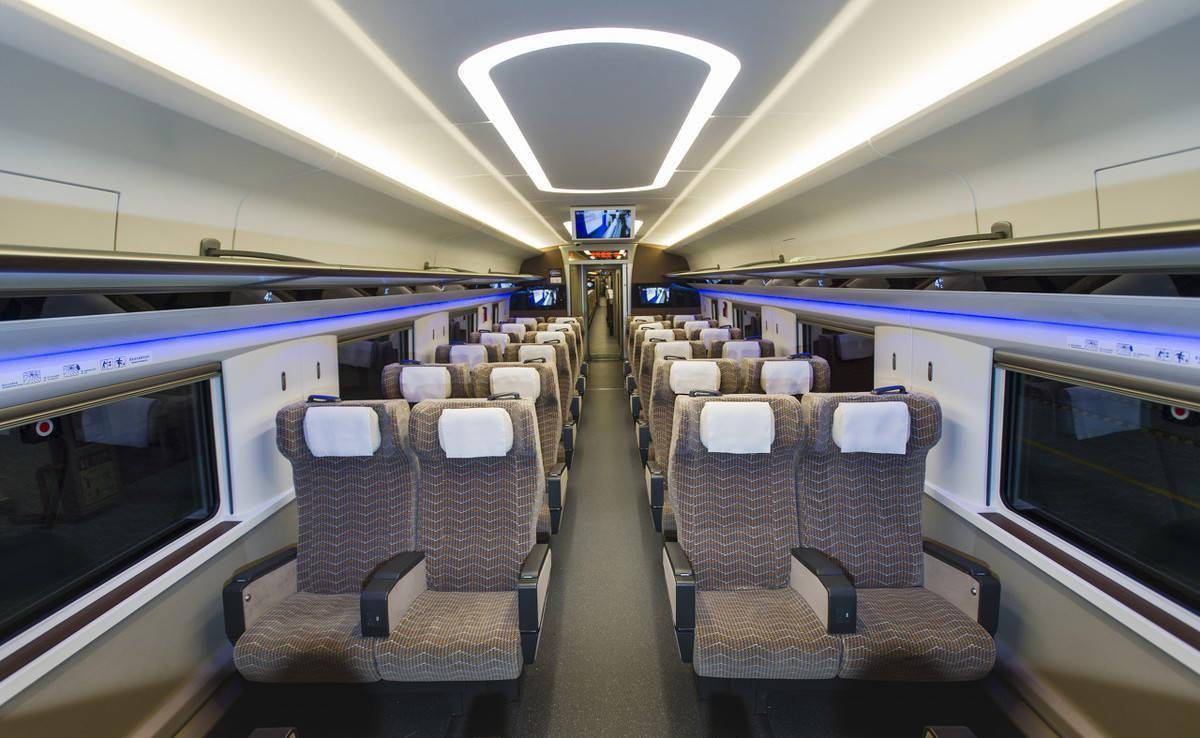
* Second-Class Seat: 669–773 CNY (varies slightly by train number, no difference in comfort). Seats are arranged in a 3+2 layout (three seats on one side, two on the other), with a seat width of 45 cm, legroom of 90 cm, and adjustable backrests (recline up to 15°). Each row has a small table attached to the front seat backrest, suitable for single travelers or small groups.
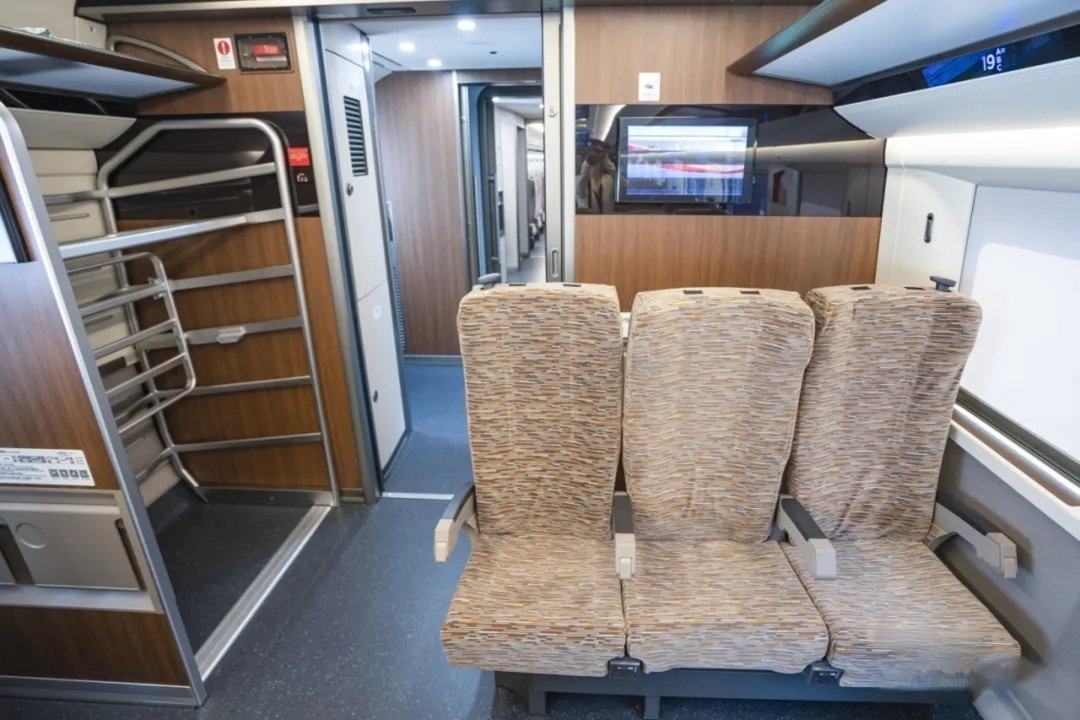
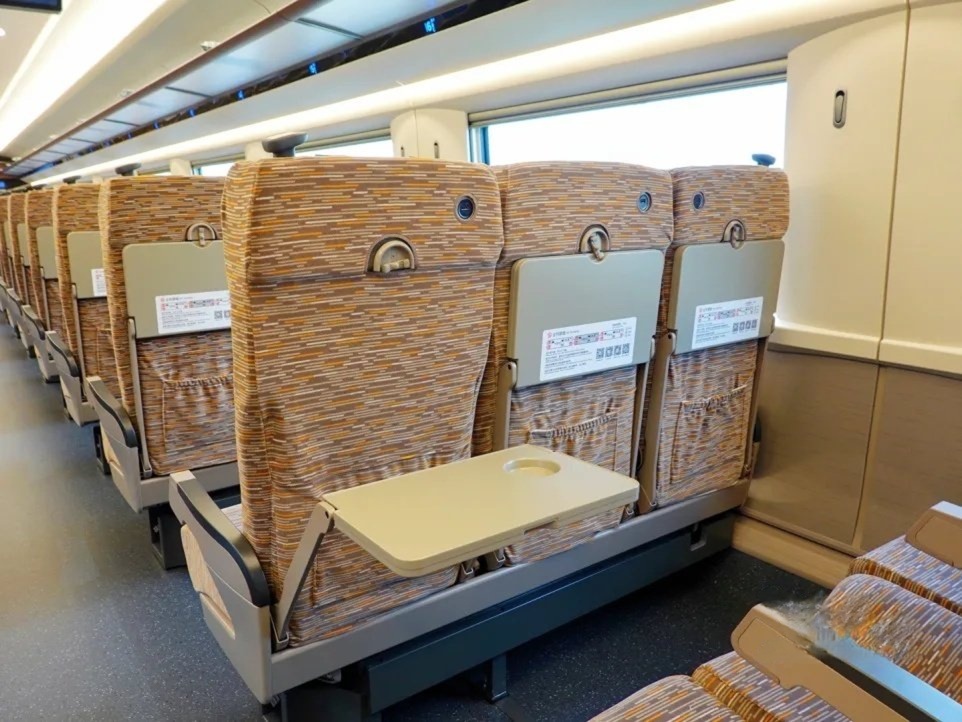
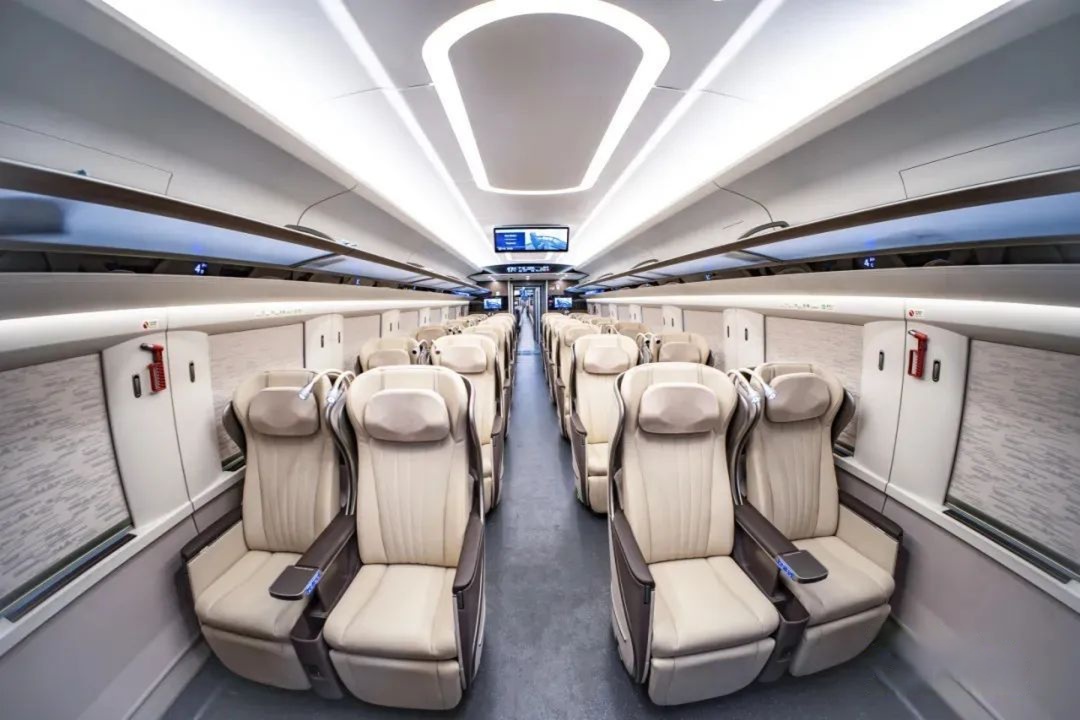
* First-Class Seat: 1,094.5–1,241.5 CNY. Seats are arranged in a 2+2 layout, with a seat width of 60 cm, legroom of 105 cm, and fully adjustable backrests (recline up to 30°). Each seat has a personal reading light, power outlet, and a foldable table in the armrest, offering more privacy and comfort for business travelers or families.
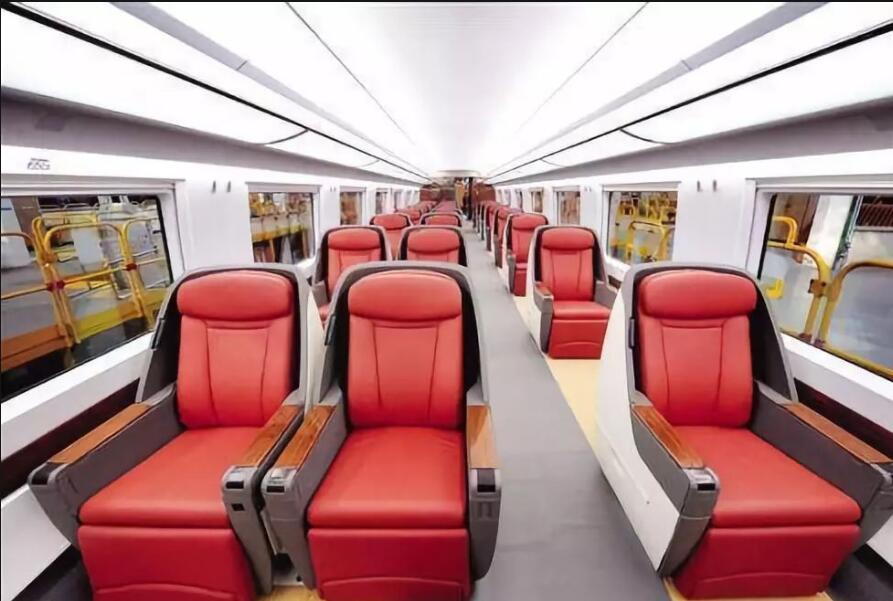
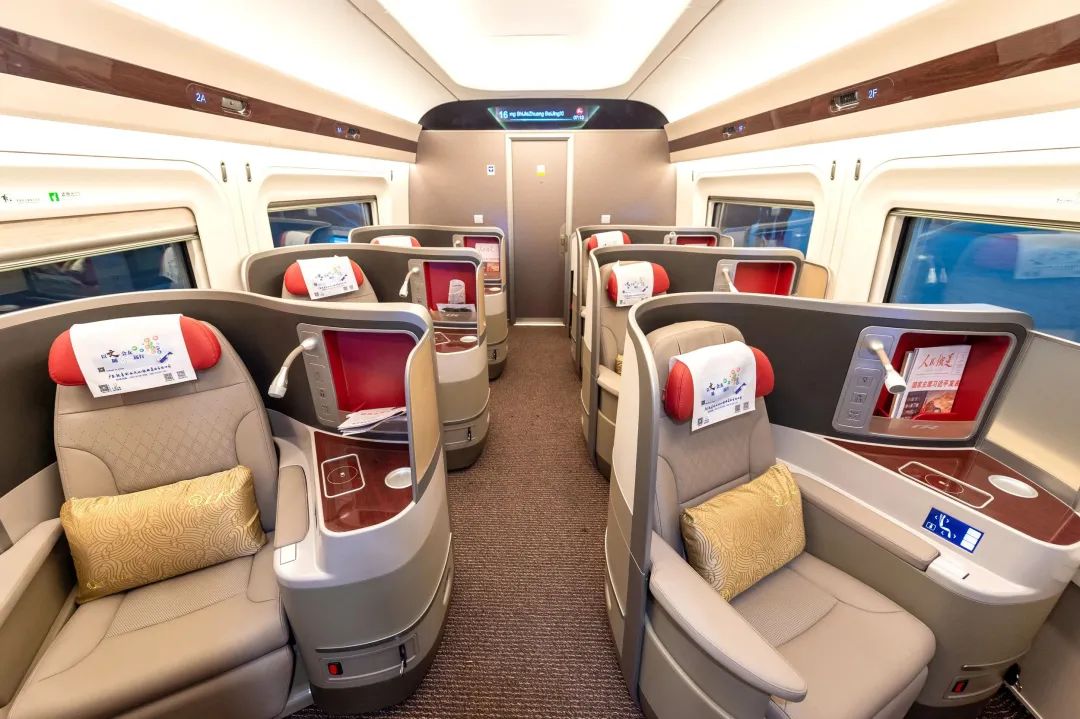
* Business-Class Seat: 2,080–2,418.5 CNY. Seats are arranged in a 2+1 layout (two seats on one side, one on the other) or single seats, with a seat width of 80 cm, fully reclinable backrests (180° flat bed), and footrests. Additional amenities include complimentary meals (for journeys over 4 hours), drinks, blankets, and dedicated service from flight attendants. Business-class carriages are located at the front or rear of the train, with fewer passengers (20–30 seats per carriage).
3. Special Tickets & Discounts
* Child Tickets: Free for children under 6 years old (no seat, must be accompanied by an adult); 50% off for children aged 6–14 (requires a child’s passport, seat provided). Child tickets can be booked online via 12306 or Trip.com, linked to the adult’s ticket.
* Student Tickets: International students with a valid student ID (endorsed by a Chinese university) can get 25% off second-class tickets, available 4 times a year (for school-related travel: winter vacation, summer vacation, and two semester breaks).
* Senior Tickets: No universal discounts for foreign seniors, but some travel agencies offer group discounts for seniors over 65 (book in advance).
b. Onboard Travel Experience
* WiFi & Connectivity: Free WiFi (“ChinaRailWiFi”) is available throughout the train. To connect, select the network, enter your phone number (Chinese or international) to receive a verification code, and log in. Note that international phone numbers may take longer to receive codes (1–2 minutes), and signal may be weak in tunnels (brief disconnections).
* Power Outlets: Every seat is equipped with power outlets, including USB-A, USB-C, and Type-C ports, located under the seat (second-class) or in the armrest (first-class/business-class). Charging speed is standard (5V/2A), suitable for phones, tablets, and laptops.
* Dining & Catering:
· Dining Car: Located in the middle of the train (usually Carriage 8 or 9), offering hot meals (boxed meals: 30–80 CNY, including braised pork, kung pao chicken, and vegetarian options), snacks (instant noodles, biscuits), and drinks (coffee, tea, soda). Operating hours: 7:00 AM–9:00 PM.
· Seat-Side Delivery: Scan the QR code on the seat backrest to order food via WeChat or Alipay (international credit cards are not accepted for in-train ordering). Food is delivered directly to your seat at major intermediate stations (Nanjing South, Xuzhou East, Zhengzhou East) within 15–20 minutes.
· BYO Food: Travelers can bring their own food and drinks (no strong-smelling items, e.g., durian, preserved eggs) to save money.
* Seating & Comfort: Seats are ergonomically designed, with soft cushions and adjustable headrests. Second-class carriages have air conditioning set to 24–26°C, while first-class/business-class offer personalized temperature controls. Luggage racks are available above each seat (for small luggage, max 20 kg) and at the end of each carriage (for large luggage, max 30 kg).
* Restrooms & Hygiene: Clean restrooms are available at both ends of each carriage, including accessible restrooms (for travelers with disabilities) in every other carriage. Toilet paper and hand sanitizer are provided, and staff clean the restrooms every 30 minutes.
* Other Amenities: Each carriage has a water dispenser (hot and cold water), so bring a reusable bottle. Blankets are available for free in business-class, and can be borrowed in first-class (deposit required).
c. Travel Tips for Foreigners
* Seat Selection: When booking tickets, select seats via 12306 or Trip.com—“A” and “F” are window seats (ideal for viewing scenery, e.g., the Yellow River near Zhengzhou), “C” and “D” are aisle seats (easy access to restrooms and luggage).
* Boarding Process: Arrive at the station 30–45 minutes before departure (1 hour during peak seasons). Scan your passport or the 12306 dynamic QR code at the security checkpoint, then find your platform via the electronic display (platform numbers are marked on tickets). Board the train 15 minutes before departure, with carriage numbers indicated on the platform floor.
* Lost & Found: If you lose belongings on the train, contact the conductor (via the call button above your seat) or visit the “Lost and Found” office at Shanghai Hongqiao or Xi’an North Station, providing your ticket information and a description of the item.
C. By Normal Train
a. Train Basic Info
Normal trains between Shanghai and Xi’an are operated by China State Railway Group, categorized as K-series (fast passenger trains) and T-series (express passenger trains), offering a budget-friendly alternative to high-speed trains. These trains run on conventional railway lines (not high-speed rails), with a top speed of 120–140 km/h, resulting in longer travel times but significantly lower fares.
1. Stations Details
* Departure Stations:
· Shanghai Railway Station: Located in downtown Shanghai (near Suzhou Creek), a historic station with 13 platforms, serving both normal trains and some intercity trains.
· Shanghai Songjiang Station: A suburban station in Songjiang District, 30 km from downtown Shanghai, serving fewer trains (1–2 daily to Xi’an) and smaller crowds.
* Arrival Station: Xi’an Railway Station – a century-old station located in the heart of Xi’an’s old town (1 km from the North Gate of the Ancient City Wall), with 9 platforms. Unlike Xi’an North Station (high-speed rail), it is within shot distance of attractions like the Bell Tower, Drum Tower, and Huimin Street, making it ideal for sightseeing immediately after arrival.
2. Fare Structure & Seat Classes
Fares are fixed by China State Railway Group, with no dynamic pricing, and are 50–60% cheaper than high-speed trains. Detailed breakdown:
* Hard Seat: 233–237 CNY. Seats are arranged in a 3+2 layout (plastic or fabric cushions), with no adjustable backrests, legroom of 60 cm, and no personal space. Carriages are crowded (118 seats per carriage), with standing passengers allowed during peak seasons, making it uncomfortable for long journeys. Only recommended for budget travelers with no other options.
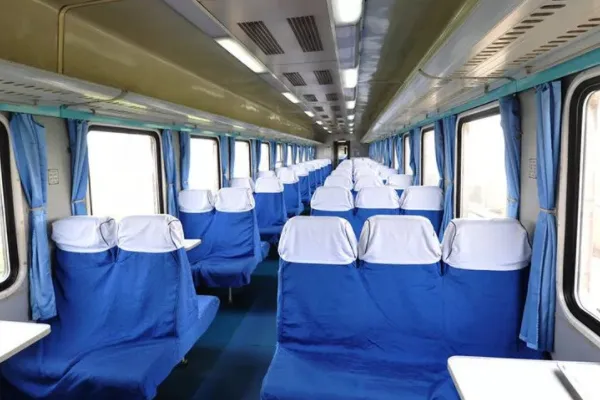
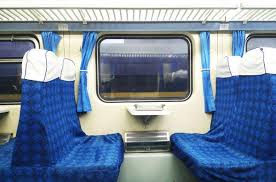
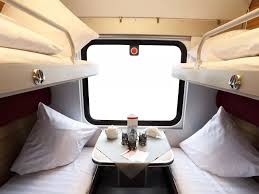
* Hard Sleeper: 370–438 CNY. The most popular option for normal train travel, with 6-berth compartments (2 upper, 2 middle, 2 lower bunks) per carriage. Bunks are 60 cm wide, with a thin mattress, pillow, and blanket provided. Each compartment has a small table, and luggage can be stored under the lower bunks or on the luggage rack above the door. Upper bunks are cheaper but require climbing a ladder; lower bunks are more expensive but easier to access and more comfortable for sitting.
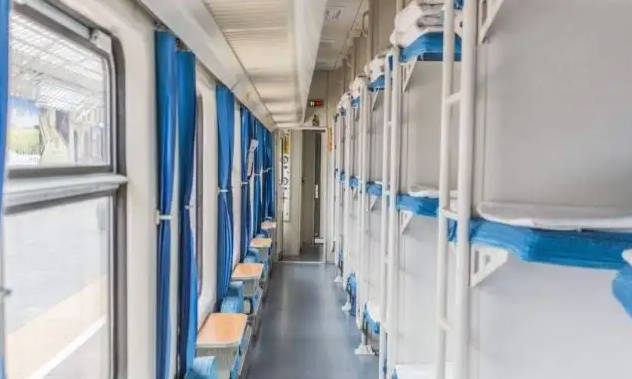
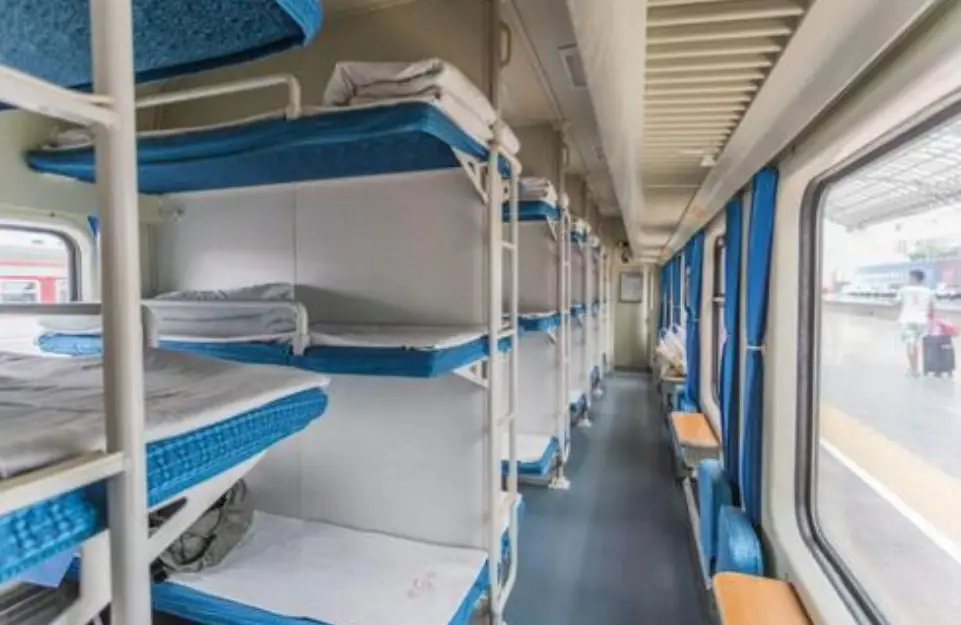
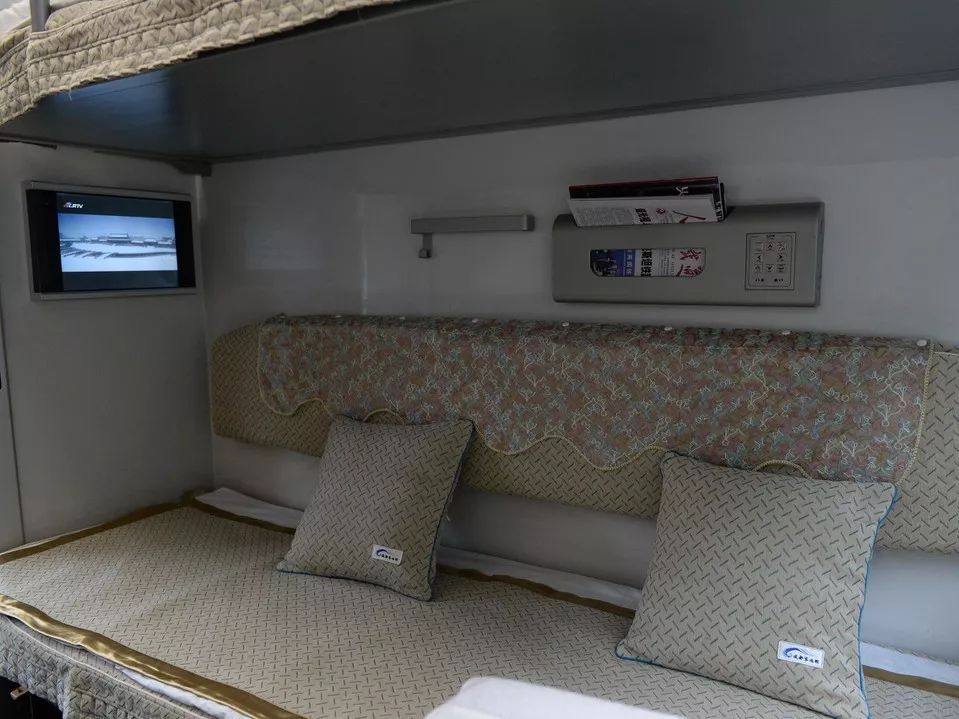
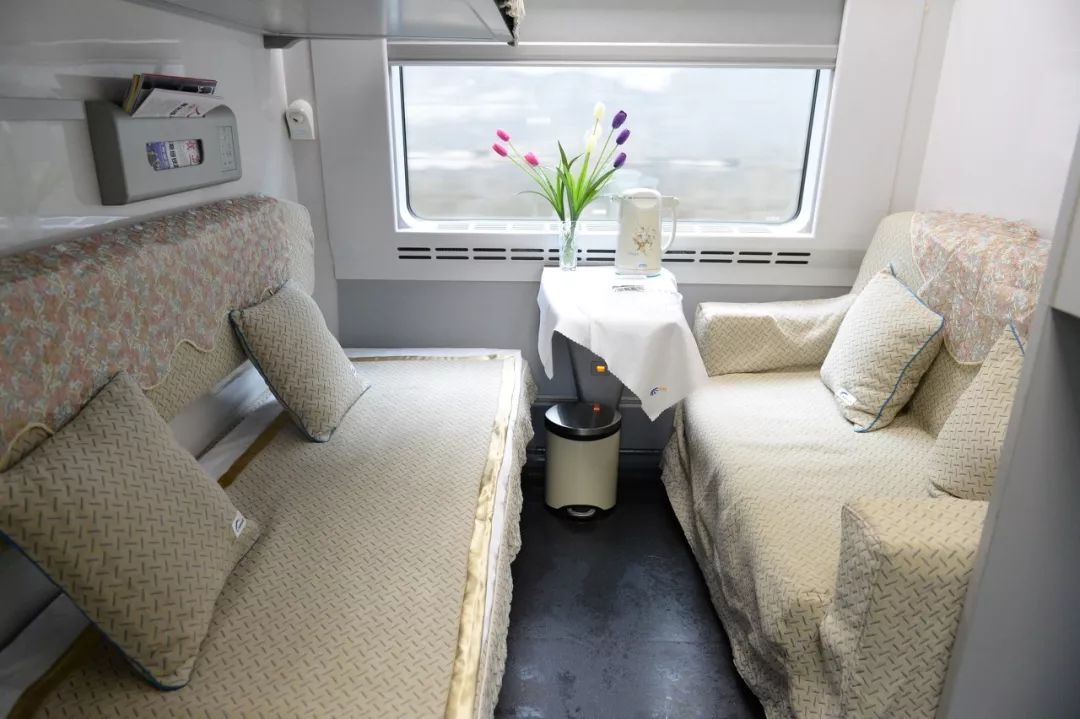
* Soft Sleeper: 531–641 CNY. A more comfortable option, with 4-berth compartments (2 upper, 2 lower bunks) per carriage, featuring wooden or leather cushions, a thicker mattress, and a door that can be closed for privacy. Compartments have a small table, and each bunk has a reading light and a power outlet (1–2 per compartment). Soft sleeper carriages are less crowded (36 seats per carriage), with better hygiene and quieter environments, suitable for travelers seeking more comfort.
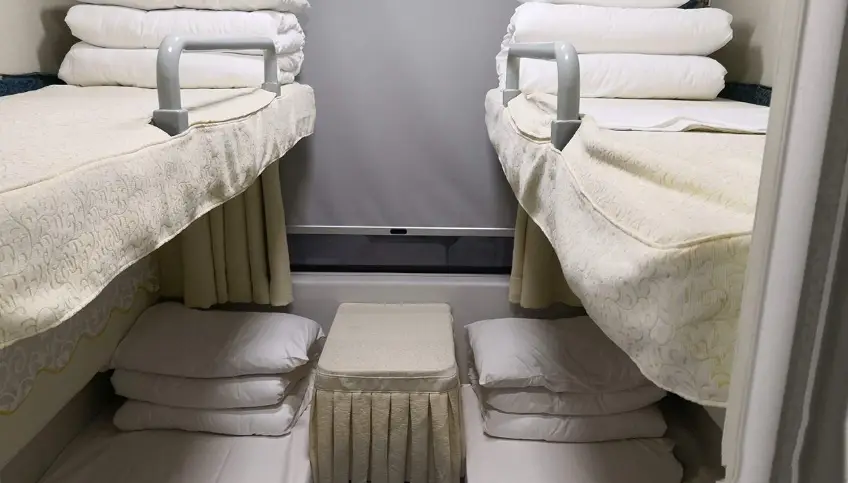
* Luxury Soft Sleeper: Rare on this route, with 2-berth compartments (upper and lower bunks) and private restrooms, costing 800–900 CNY. Only available on T-series trains (e.g., T138) and must be booked well in advance.
b. Notes
1. Overnight Travel Preparation
* Comfort Items: Bring a travel pillow, eye mask, earplugs (to block noise from other passengers and train operations), and warm clothes (train air conditioning is cold at night, even in summer).
* Hygiene Supplies: Bring toiletries (toothbrush, toothpaste, towel), wet wipes, and a small blanket (the provided blanket is thin).
* Valuables: Keep passports, phones, and wallets in a small bag close to your body (e.g., a neck pouch). Lock your luggage with a padlock, especially for soft sleeper compartments (doors can be locked).
2. Onboard Etiquette & Safety
* Be quiet after 10:00 PM to avoid disturbing other passengers’ sleep. Do not use loud electronic devices or talk loudly in the compartment.
* For hard sleeper compartments (shared with 5 other passengers), introduce yourself briefly to build trust, but avoid sharing personal information (e.g., hotel address, travel plans) with strangers.
3. Onboard Facilities & Services
* Dining Car: Available on most trains, offering simple boxed meals (20–40 CNY), instant noodles, and hot water. Prices are lower than high-speed trains but hygiene standards are basic.
* Restrooms: Located at the end of each carriage, with squat toilets (no sitting toilets) on most K-series trains; T-series trains may have 1–2 sitting toilets per carriage. Bring your own toilet paper (not always provided).
* Power Outlets: Only available in soft sleeper compartments (1–2 per compartment) and the dining car. No power outlets in hard sleeper or hard seat carriages, so bring a fully charged power bank.
 2-Day Exciting Tour from Shanghai to Xian with Stunning Mt. Huashan Tour by Flight
 Holiday Packages to Xian: All Inclusive Xian Terracotta Army Tour From Shanghai by Flight
D. Other Alternatives
a. Self-Driving
1. Core Route & Travel Arrangement
Self-driving from Shanghai to Xi’an is a flexible option for travelers who want to explore intermediate attractions, with the route mainly along the G30 Lianyungang-Khorgos Expressway (China’s longest east-west expressway), spanning approximately 1,300 km.
* Travel Duration: 14–16 hours of driving time under ideal conditions (no traffic jams, no detours). Most travelers choose to split the journey into two days to avoid fatigue: for example, drive from Shanghai to Zhengzhou (800 km, 8–9 hours) on Day 1, stay overnight in Zhengzhou, then drive from Zhengzhou to Xi’an (500 km, 5–6 hours) on Day 2.
2. Applicable Crowd & Preparation Work
* Who It’s For: This option is ideal for groups of 3–4 travelers who enjoy free exploration and want to visit intermediate cities (e.g., Xuzhou, Kaifeng, Luoyang) along the way. It is not recommended for solo travelers (due to high costs and safety concerns) or those unfamiliar with Chinese traffic rules.
3. On-the-Road Experience & Attractions Along the Way
* Parking in Xi’an: Most hotels in Xi’an offer free parking for guests. For visiting scenic spots, use paid parking lots near the Bell Tower or Ancient City Wall (20–30 CNY per day). Avoid parking on the street to prevent fines.
4. Key Notes for Foreign Travelers
* Traffic Rules: Drive on the right side of the road in China. Do not use mobile phones while driving (fines up to 200 CNY). Wear seat belts at all times—front and rear passengers are required by law to buckle up.
* Fatigue Management: Take a 20-minute break every 4 hours of driving to avoid fatigue. Do not drive for more than 8 hours a day.
* Emergency Contacts: Save the highway emergency number (12122) and the local police number (110) in your phone. In case of vehicle breakdown, call the rental company first for roadside assistance.
* Toll Payment: Most toll gates support electronic payment via “ETC” (Electronic Toll Collection), but foreign travelers can pay with cash or credit cards at manual toll booths (look for signs marked “Cash Payment”).
b. Long-Distance Bus
1. Core Basic Information
Long-distance buses from Shanghai to Xi’an are operated by reputable provincial-level bus companies, with daily departures limited to 1–2 trips to ensure operational efficiency.
* Departure Station: Shanghai Long-Distance Passenger Transport Terminal (No.1550 Gonghexin Road, Jing’an District), a large hub integrating ticketing, waiting, and luggage storage services.
* Arrival Station: Xi’an Bus Station (No.32 Wulukou North Road, Lianhu District), located 2 km from Xi’an Railway Station and within walking distance to the Ancient City Wall’s North Gate.
* Travel Duration: 20–22 hours for the one-way trip. Buses drive non-stop except for 30-minute rest breaks every 3–4 hours at highway service areas (usually for meals and restroom stops).
* Fare Range: 300–400 CNY per person for a one-way ticket, the cheapest option among all transportation methods. There is no dynamic pricing—fares remain consistent throughout the year, with no discounts for students or children (children under 1.2m travel for free when accompanied by an adult).
2. Onboard Facilities & Travel Experience
Long-distance buses use large-seat coaches with a 2+1 seat layout (2 seats on one side, 1 on the other), but the overall comfort is far below that of high-speed trains or flights:
* Seat Conditions: Seats have a maximum recline angle of 120°, with thin cushions and no leg rests. Legroom is only 50–60 cm, making it cramped for adults over 1.7m tall to stretch.
* Onboard Amenities: A basic restroom (squat toilet) is available at the rear of the bus, but it is not flushed regularly, so hygiene conditions are poor. Free hot water is provided, but travelers need to bring their own instant noodles or snacks (no in-bus catering service). Power outlets are limited to 2–3 per bus, located near the driver’s seat, so it is recommended to carry a high-capacity power bank.
* Environmental Conditions: The bus is not equipped with independent air conditioning—temperature is controlled centrally, which may be too cold in winter or too hot in summer. Noise from the engine and highway traffic is noticeable, especially at night.
Comparison & Recommendations
A. Horizontal Comparison of Core Dimensions
1.Travel Time
By air (2.5-3hrs flight, 4-6hrs total) > High-speed train (5.5-8hrs) > Self-driving (14-16hrs) > Normal train (14-15hrs) > Long-distance bus (20+hrs). The total time for air travel includes travel to/from the airport, security checks, and baggage claim, which usually adds 1.5-3hrs to the pure flight time. High-speed train duration varies by route and number of stops, with direct trains being shorter. Self-driving and normal train take similar long hours, while long-distance buses are the most time-consuming due to frequent stops and speed limits.
2. Cost
Long-distance bus (300-400 CNY) < Normal train (233-641 CNY) < High-speed train (669-2418.5 CNY) < By air (800-1500+ CNY round-trip). The price of normal trains covers different seat types (hard seat, soft seat, hard sleeper, soft sleeper), hence the wide range. High-speed train fares differ by seat class (second class, first class, business class), with business class being nearly 4 times that of second class. Airfare fluctuates significantly with booking time and travel season, with peak season prices possibly exceeding 2000 CNY round-trip.
3. Comfort
High-speed train (business/first class) > By air (economy class) > Normal train (soft sleeper) > Self-driving > Normal train (hard seat) > Long-distance bus. High-speed train business/first class offers spacious seats, adjustable backrests, and free catering, ensuring a relaxed journey. Air economy class has limited legroom and may involve turbulence. Normal train soft sleepers provide private compartments for 4 people, while hard seats are crowded with little space. Self-driving allows flexible rest but causes fatigue for long hours. Long-distance buses have narrow seats and poor air circulation.
4. Reliability
High-speed train (minimal delays) > Normal train > By air (affected by weather) > Self-driving (affected by traffic/weather) > Long-distance bus. High-speed trains are rarely delayed, with average delay time less than 10 minutes, as they are less affected by weather and traffic. Normal trains have occasional minor delays but maintain high punctuality. Flights are often delayed or canceled due to rain, fog, or thunderstorms. Self-driving is prone to delays from traffic jams, accidents, or bad weather. Long-distance buses have unstable punctuality due to road conditions and unplanned stops.
5. Convenience
High-speed train (city-center stations, easy transfer) > By air (depends on airport location) > Normal train > Self-driving > Long-distance bus. Most high-speed rail stations are located in the city center, connecting to subway and bus lines for easy transfers. Airports are usually 20-50km from downtown, requiring additional time for transfers. Normal train stations are also in urban areas but have fewer transfer options than high-speed rail. Self-driving offers door-to-door convenience but faces parking difficulties in cities. Long-distance bus stations are often on the outskirts, with inconvenient transfers and limited schedules.
B. Targeted Recommendations
1. Time-Sensitive Travelers
By air is the first choice, especially for those with only 2-3 days in Xi’an, saving time for sightseeing. For travelers with tight schedules who aim to maximize their visiting time in Xi’an, air travel can significantly reduce the time spent on transportation. It is recommended to book flights in advance to get favorable prices and choose flights with morning departures and evening returns to make full use of the day.
2. Balanced Demand (Comfort & Experience)
High-speed train is optimal. It offers stable travel, easy city access, and scenic views along the way, suitable for most foreign travelers. High-speed trains combine the advantages of high punctuality, comfort, and convenience. Foreign travelers can easily reach downtown areas from high-speed rail stations, and enjoy the changing landscapes outside the window during the journey, adding more fun to the trip without the trouble of air travel procedures.
3. Budget Travelers with Flexible Time
Normal train (soft sleeper) is recommended. It balances cost and comfort, and overnight travel saves accommodation fees. For travelers with sufficient time and limited budgets, normal train soft sleepers are cost-effective. Taking an overnight train allows them to sleep through the long journey, avoiding additional accommodation expenses for one night, and arriving at the destination refreshed the next day. It is advisable to book soft sleeper tickets in advance during peak travel seasons as they are in high demand.
4. Group Travelers Who Like Freedom
Self-driving is suitable for 3-4 people traveling together, allowing stops at cities like Nanjing, Zhengzhou for in-depth exploration. Self-driving provides the greatest flexibility for group travelers. They can adjust the itinerary freely, make unplanned stops at cities along the way (such as Nanjing and Zhengzhou) to explore local customs, and carry luggage and travel items conveniently. The cost of fuel and tolls can be shared among 3-4 people, reducing individual expenses.
5. Not Recommended
Long-distance bus, due to poor comfort and excessive travel time, which may affect the travel experience. Long-distance buses have obvious drawbacks: narrow seats, long travel time, frequent stops, and poor punctuality. These factors can easily cause physical fatigue and mood swings, affecting the overall travel experience. It is not recommended unless there are no other transportation options.
 Xi'an Day Tour Package: Remarkable Terracotta Warriors & Enchanting Song of Everlasting Sorrow Performance
 2-Day Family-Friendly Adventure in Xi'an: Explore Ancient Wonders & Iconic Sights
How to Buy Tickets
A. General Ticketing Prerequisites
a. Valid Documents
1. Core Document
A passport with a remaining validity of at least 6 months from the date of travel is mandatory. This requirement applies to both flight and train bookings, as well as boarding/boarding checks. Ensure the passport is in good condition—no torn pages, faded photos, or expired visas (if required for entry/transit in China).
2. Alternative Documents
Foreign permanent residence permits issued by Chinese authorities are also acceptable, with the same validity as passports. For travelers from Hong Kong, Macao, and Taiwan regions, Hong Kong-Macao Resident Travel Permits, Taiwan Resident Travel Permits, or Mainland Travel Permits for Taiwan Residents (Mainland Pass) can be used.
3. Document Consistency
The name, passport number, and date of birth on the ticket must be identical to those on the passport. If you renew your passport after booking, immediately contact the airline, railway department, or booking platform to update the document information; otherwise, you will be denied boarding.
4. Special Notes
Temporary passports or travel documents are only accepted if they have official seals and are recognized by Chinese border control. It is recommended to confirm with the booking channel in advance to avoid invalid documents.
b. Identity Verification
Identity verification rules differ between train and flight tickets, and failure to complete verification will affect ticket purchase and use.
1. Train Ticket Verification
Two verification methods are available: online and offline, and verification only needs to be completed once (valid for long-term use, unless passport information changes).
* Online Verification (via 12306 App/Website):
· Download the 12306 App (English version available) or log in to the official 12306 website, register an account with your mobile phone number (international phone numbers are supported).
· Enter the "My Passengers" section, click "Add Passenger", select "Foreign Passport" as the document type, and fill in passport number, full name (consistent with passport), date of birth, and other information.
· Upload a clear photo of the passport's personal information page (ensure text and photos are legible), submit for verification.
· Automatic verification takes 5–10 minutes for most cases; if automatic verification fails (e.g., blurred photo, information mismatch), manual review will be initiated, which takes 1–3 working days. You will receive a notification via SMS or App message once verified.
· Note: If you change your passport (new passport number), you need to re-add the passenger information and complete verification again.
* Offline Verification (at Railway Station Ticket Windows):
· Bring your original passport to the ticket window of any major railway station (e.g., Shanghai Hongqiao Station, Xi’an North Station, Shanghai Railway Station).
· Inform the staff of your intention to complete identity verification for train ticket purchase. The staff will scan the passport and verify the information on-site, which takes 2–5 minutes.
· This method is recommended if online verification fails or you are in a hurry to buy tickets, as it ensures immediate completion.
2. Flight Ticket Verification
No prior online or offline verification is required before booking. However, the following points must be noted:
· The passport information filled in during booking (full name, passport number, expiration date) must be 100% consistent with the original passport used for boarding. Even a minor typo (e.g., missing middle name, wrong letter case) will result in boarding refusal.
· If you need to change passport information after booking (e.g., passport renewal), contact the airline’s customer service or the booking platform immediately. Most airlines allow free information modification 24 hours before departure; changes within 24 hours may incur a service fee.
· During check-in (online or offline), the airline will verify your passport and ticket information. Ensure you carry the original passport—electronic copies or scanned versions are not accepted for boarding.
c. Payment Methods
Various payment methods are supported for online and offline bookings, with slight differences between channels. Choose the method suitable for you based on convenience.
1. Online Payment
* International Credit Cards (Visa/Mastercard)
Supported by 12306 website (not available on 12306 App), airline official websites/apps, and third-party platforms (Trip.com, Expedia). Ensure the card has sufficient balance or a credit limit, and inform your bank in advance of your travel-related payment to avoid transaction rejection due to "unusual activity".
* Alipay/WeChat Pay
The most convenient payment methods in China. Foreign users can bind international credit cards (Visa/Mastercard) to Alipay or WeChat Pay:
· For Alipay: Go to "Me" — "Payment Settings" — "Bind Card", select "International Card", and follow the prompts to fill in card information and verify.
· For WeChat Pay: Go to "Me" — "Service" — "Wallet" — "Cards", add an international card, and complete verification via SMS.
These two apps are accepted by almost all online booking channels, with instant payment confirmation.
* Google Pay/Apple Pay: Supported exclusively by Trip.com and other international OTA platforms. Bind your credit card to Google Pay/Apple Pay in advance, and complete payment with one click during booking—suitable for users familiar with overseas mobile payment.
* Notes: Online payments may incur a small currency conversion fee (1–3% of the transaction amount) depending on your bank and card type. Choose a card with no foreign transaction fees to save costs.
2. Offline Payment
* Cash (CNY): Accepted at railway station ticket windows, airport ticket counters, and authorized ticket agencies. It is recommended to carry sufficient cash (especially for peak seasons when network payments may be unstable). Note that foreign currencies are not accepted—exchange CNY at banks, airports, or hotels in advance.
* UnionPay Cards: All offline ticket counters accept UnionPay debit/credit cards. Foreign users with UnionPay cards can pay directly, with no additional fees.
* International Credit Cards: Airport ticket counters and large travel agencies support Visa/Mastercard payments, but some small ticket agencies may only accept cash or UnionPay—confirm in advance before purchasing.
* Common Payment Issues & Solutions:
· Transaction Failure: Check if the card balance/credit limit is sufficient, whether the bank has blocked the transaction, or if the network is unstable. Try switching to another payment method or retry later.
· Payment Successful but Ticket Not Issued: Screenshot the payment record immediately, contact the booking platform’s customer service or the relevant transportation department (airline/railway) to confirm, and request a refund or reissue of the ticket if necessary.
· Refund Processing: Refunds will be returned to the original payment method. Credit card refunds take 3–7 working days, while Alipay/WeChat Pay refunds are usually completed within 24 hours.
B. Ticketing Process by Transportation
a. Flight Tickets
1. Recommended Platforms & Advantages
* Trip.com (Ctrip International Version)
The most recommended platform for foreign travelers. It supports 19 languages (English, Japanese, Korean, etc.), has a user-friendly interface optimized for overseas users, and provides 24/7 English customer service via phone, email, and online chat. It integrates flights from all airlines, allowing one-click comparison of fares, departure times, and transfer options. New users can get exclusive discounts (e.g., 5% off for first booking) and free cancellation insurance. Payment methods include international credit cards, Google Pay, Apple Pay, Alipay, and WeChat Pay.
* Official Airline Websites/Apps
Air China (www.airchina.com.cn), China Eastern Airlines (www.ceair.com), and China Southern Airlines (www.csair.com) all have English versions. The advantage is direct access to the latest flight schedules and fare information, no additional service fees, and priority handling of changes/refunds (faster than third-party platforms). Some airlines offer member points for direct bookings, which can be redeemed for free upgrades or tickets.
* Fliggy (International Version)
Backed by Alibaba, it supports English operation and international credit card payments. It is suitable for users who frequently use Alipay, as payment can be completed with one click via Alipay binding. It often launches flash sales for Shanghai-Xi’an routes during off-peak seasons, with fares 20–30% lower than usual.
2. Online Booking Steps (Take Trip.com as an example)
* Search for Routes: Open the Trip.com App/website, select "Flights", enter departure city (Shanghai – select SHA or PVG), arrival city (Xi’an – XIY), travel date, and number of passengers (adults/children/infants). Check "Direct Flights Only" if you want to avoid transfers.
* Select Flights: The results page will display flights sorted by fare, duration, or departure time. Pay attention to the following details: departure/arrival time (avoid early morning/late night flights if you dislike night transfers), aircraft type (large aircraft like Boeing 787/Airbus A330 are more comfortable for long flights), and fare class (economy class is cost-effective, premium economy offers extra legroom).
* Enter Passenger Information: Click "Book Now", select passenger type (foreigner), and fill in information strictly according to the passport: full name (consistent with passport spelling, including middle name if any), passport number, passport expiration date, and date of birth. Do not modify any letters or symbols, as even minor errors will cause boarding refusal.
* Choose Additional Services: Optional services include checked luggage upgrade (standard economy class usually includes 20kg checked luggage; additional 10kg costs 50–80 CNY), in-flight meal preference (vegetarian, halal, etc.), and seat selection (window seats for scenery, aisle seats for convenience).
* Payment & Confirmation: Select your preferred payment method, complete the payment, and the system will send the e-ticket to your registered email within 5–10 minutes. The e-ticket contains key information such as flight number, departure time, passenger name, and booking reference number – save it to your phone (PDF version) and print a copy for backup.
3. Offline Booking Process
* Prepare Materials
Bring your original passport (valid for at least 6 months) and sufficient funds (cash in CNY or international credit card/UnionPay card).
* Choose Booking Location
Airport Ticket Counters: Go to the ticket counter of your preferred airline at Shanghai Hongqiao (SHA) or Pudong (PVG) Airport. Staff can speak basic English and will help search for flights according to your travel needs.
* Complete Booking
Inform the staff of your departure date, preferred flight time, and seat requirements. The staff will verify your passport information, print the e-ticket confirmation, and ask you to confirm the details (flight number, passenger name). Pay with cash or card, and keep the receipt and e-ticket confirmation properly.
 7 Days Comfortable Beijing Xian Shanghai Tours for First-Time Visitors with Top Attractions
 9 Days China Classic Tour of Beijing, Xi'an & Shanghai by Bullet Train
b. Train Tickets
1. Official Platform (12306 App/Website)
* Switch to English Interface
Download the 12306 App (search "12306" in App Store/Google Play) or log in to the official website (www.12306.cn). Click the language icon in the upper right corner to switch to English.
* Register & Verify Identity
Click "Register", enter your international mobile phone number (supports most countries/regions), receive the verification code, and set a password. After registration, go to "My Passengers" ? "Add Passenger", select "Foreign Passport", fill in passport information, upload a clear photo of the passport's personal page, and submit for verification (detailed verification steps refer to 3.1.2).
* Ticket Booking (On-Sale at 10:00 AM, 15 Days in Advance)
· On the on-sale date (15 days before departure), log in to 12306 at 9:55 AM (5 minutes in advance) to prepare – tickets for popular routes (e.g., G876) sell out within 1–2 minutes.
· Select "Train Tickets", enter departure station (Shanghai Hongqiao), arrival station (Xi’an North), travel date, and number of passengers.
· Filter trains by departure time or duration, select the desired train, then choose seat class (second-class/first-class/business-class) and seat preference (window/aisle).
· Confirm the order, select payment method (12306 website supports international credit cards; App only supports Alipay/WeChat Pay/UnionPay), and complete payment within 30 minutes (otherwise, the order will be automatically canceled).
* Boarding Preparation
No need to collect paper tickets – you can enter the station by scanning your passport or the 12306 dynamic QR code (generated in the App's "My Orders"). For emergencies (e.g., passport failure), you can collect a paper ticket at the railway station's ticket window or self-service machine with your passport.
2. Foreigner-Friendly Platform (Trip.com)
* Register an Account: Download the Trip.com App, click "Sign Up", and register with your email or international mobile phone number (separate from the Ctrip domestic version account). New users can claim a 3% discount coupon for train tickets (valid for 7 days) on the homepage.
* Enter Passenger Information: Go to "My" — "Train Passengers", add passenger details (foreign passport), and the platform will automatically sync with 12306 for identity verification (no need to verify separately on 12306).
* Book Tickets: Select "Trains", enter the route (Shanghai Hongqiao to Xi’an North), travel date, and passenger number. The platform will display real-time train schedules, seat availability, and fares. Select the train and seat class, confirm the order, and pay with international credit cards, Google Pay, or Apple Pay.
* Receive Confirmation: After payment, the booking confirmation (with train number, seat number, and booking code) will be sent to your email and Trip.com App. You can enter the station by scanning your passport (no need to exchange for paper tickets), and the platform provides English customer service for ticket changes/refunds.
3. Offline Booking Process
* Railway Station Ticket Windows
· Bring your original passport to the ticket window of Shanghai Hongqiao Station, Shanghai Railway Station, or Xi’an North Station.
· Inform the staff of the departure date, departure/arrival stations, and seat class. The staff will verify your identity, check seat availability, and print the paper ticket on-site.
· Payment methods include cash (CNY), international credit cards, UnionPay cards, Alipay, and WeChat Pay. The whole process takes 5–10 minutes, suitable for travelers who are not familiar with online operations.
* Authorized Ticket Agents
Small ticket agencies in downtown areas also sell train tickets, but they charge a service fee of 5 CNY per ticket. Ensure the agency has an official license (displayed prominently at the storefront) to avoid counterfeit tickets. Bring your original passport and pay with cash or card.
* Notes on Self-Service Machines
Railway station self-service ticket machines only accept foreign permanent residence permits for ticket purchase – foreign passports are not supported. Do not attempt to use passports on self-service machines to avoid equipment malfunctions.
c. Refund & Modification Rules
1. Train Ticket Refund & Modification Rules(2026 New Rules)
(1) Refund Rules
* Free Refund Within 30 Minutes of Payment
If the departure time is more than 4 hours away, you can refund the ticket for free within 30 minutes of successful payment – limited to 1 order per person per day. This rule applies to all seat classes and is designed to avoid accidental booking errors.
* Regular Refund Fees
· No fee if refunded =15 days before departure;
· 5% of the ticket price if refunded 15–48 hours before departure;
· 10% of the ticket price if refunded 24–48 hours before departure;
· 20% of the ticket price if refunded less than 24 hours before departure.
Fees are calculated based on the ticket face value, and the remaining amount is returned to the original payment method.
* No Refunds After Departure
Tickets cannot be refunded once the train has departed. Only same-day modifications are allowed (see modification rules below).
* Special Scenarios
Refunds due to force majeure (natural disasters, train cancellations/delays by railway department) are free of charge. Provide relevant certificates (e.g., train delay notice) to the railway station window or booking platform for free refund. If you need to refund due to illness, bring a medical certificate issued by a tertiary hospital to apply for a fee-free refund.
(2) Modification Rules
* Number of Modifications
Each ticket can be modified only once (including changes to departure date, train number, or seat class). No further modifications or refunds are allowed after the first modification.
* Modification Time
· Before departure: Can modify to any train on the same route (Shanghai Hongqiao to Xi’an North) within 10 days of the original departure date, subject to seat availability.
· After departure: Can only modify to other trains departing on the same day (before midnight), and must complete the modification at the departure station window before the new train departs. No modifications are allowed for trains that have already departed.
* Fee for Modifications
No fee if the new ticket price is the same as the original; if the new ticket is more expensive, pay the difference; if the new ticket is cheaper, the difference is not refunded (only applicable to modifications before departure).
2. Flight Ticket Refund & Modification Rules
* Fee Standards (Vary by Airline & Fare Class)
· Economy Class (Basic Fare): Refund fee is 10–30% of the ticket price if refunded 24 hours before departure, 30–50% if refunded within 24 hours before departure, and no refund if refunded after departure. Modification fee is 50–200 CNY, plus the fare difference if the new flight is more expensive.
· Premium Economy/Business Class: Refund fee is 0–10% of the ticket price before departure, and 20% within 24 hours before departure. Modifications are usually free (1–2 times), with only the fare difference to pay.
· Special Fares (Flash Sale/Light Fare): Non-refundable and non-modifiable in most cases. Check the fare rules carefully before booking, as some flash sale fares allow modification with a high fee (30–50% of the ticket price).
* Processing Channels
Refunds/modifications can be handled via the original booking platform (Trip.com, airline official website) or airline customer service. Online processing is faster (completed within 1–3 hours), while offline processing at airport counters takes 30–60 minutes.
* Free Refund/Modification Scenarios
· Flight cancellation/delay by the airline (delay for more than 2 hours);
· Force majeure (natural disasters, political events, etc.);
· Passenger illness/death (provide medical certificate or death certificate);
· Visa refusal (provide visa refusal letter, some airlines charge a small service fee).
* Refund Processing Time
Refunds to international credit cards take 3–7 working days; refunds to Alipay/WeChat Pay take 24–48 hours; refunds to cash take 1–3 working days (processed at the original offline location).
 Xi'an Day Tour Package: Premier Private Fully Guided Tour with Terracotta Warriors & Xi'an Highlights
 Highlights Xi'an City Tour: Discover Xi'an's Rich Heritage and Must-See Attractions
Best Time to Travel from Shanghai to Xi'an
Autumn (September to November) is the absolute best time to travel from Shanghai to Xi'an, boasting the most pleasant weather for exploring this ancient imperial capital. With mild temperatures ranging from 15°C to 25°C, clear blue skies and low rainfall, this season lets you comfortably visit outdoor historic sites like the Terracotta Army, the Ancient City Wall and the Giant Wild Goose Pagoda without the bother of summer heat or winter chill. Xi’an’s autumn is also a feast for the eyes and taste buds: the ancient Guanyin Temple’s 1,400-year-old ginkgo tree turns golden, the Qinling Mountains are painted with red and orange leaves, and seasonal delicacies such as fire crystal persimmons and osmanthus cakes are in full supply. Though it’s a peak travel period, the pleasant experience far outweighs the slightly larger crowds, and advance booking of tickets and accommodation is all you need for a smooth trip.


Spring (March to May) is a wonderful alternative, with temperatures between 10°C and 20°C and blooming flowers across the city—cherry blossoms at Qinglong Temple and tulips at Xingqing Palace create picturesque Chinese-style scenes, perfect for Hanfu photography and casual walks along the city’s lanes. However, spring in Xi’an is dry and windy with occasional sandstorms, so it’s wise to bring a scarf and moisturizing products, and avoid outdoor activities on dusty days.


Summer (June to August) is the low season for outdoor sightseeing, as temperatures soar to 35°C or even higher with occasional short downpours. But this season unlocks Xi’an’s vibrant night charm: the Tang Paradise and the Everbright City come alive with dazzling light shows, the outdoor performance The Song of Everlasting Sorrow at Huaqing Pool is more enjoyable in the cool night air, and morning visits to popular attractions can help you avoid both the heat and crowds. Indoor spots like the Shaanxi History Museum are ideal for daytime exploration to escape the sun.


Winter (December to February) is the most budget-friendly time, with frigid temperatures from -5°C to 5°C and rare light snowfall. Most outdoor tourist sites have few visitors, and hotels and flight tickets are heavily discounted. A snowy Xi’an is incredibly poetic, with the Bell and Drum Towers and the Ancient City Wall covered in a thin layer of snow, recreating the grandeur of ancient Chang’an. The Spring Festival period (January to early February) is a highlight, as the city is decorated with festive lanterns—the Ancient City Wall Lantern Festival and intangible cultural heritage activities like iron flower performances bring the strongest Chinese New Year vibes to the ancient capital. Note that some outdoor performances may be suspended in winter, and warm, windproof clothing is a must for travel.


Practical Tips
1. Flight Check-In & Airport Efficiency
Arrive at the airport 2 hours before domestic flights (3 hours for international connections). Use self-service check-in kiosks (available at SHA/PVG/XIY) with your passport to save time. For carry-on luggage, avoid liquids over 100ml (in a clear plastic bag) to speed up security checks. Save your e-ticket PDF on your phone and print a copy—some older check-in counters may require physical confirmation.
2. Essential Phrases & Translation Tools
Download offline Chinese-English packages on Baidu Translate or iFlytek Translate—network signals can be weak in some stations.
3. Seeking Help at Stations/Airports
Major transportation hubs (Shanghai Hongqiao Station, Xi’an North Station, XIY Airport) have “Foreign Traveler Service Desks” (marked with English signs). Staff here speak basic English and can assist with ticketing, transfers, and emergency issues. Carry a printed copy of your hotel address in Chinese—hotel staff can write it for you before departure.
4. Sightseeing Etiquette in Xi’an
When visiting the Terracotta Army, do not touch the sculptures or use flash photography (it damages the relics). For temples (e.g., Giant Wild Goose Pagoda), remove your shoes before entering the main hall and dress modestly (avoid short shorts/skirts). Ask permission before taking photos of locals, especially elders and children—some families may be uncomfortable with unsolicited photos.
5. Dining Etiquette & Local Customs
Xi’an’s food scene is casual, but avoid wasting food (it’s considered impolite). When eating at small restaurants, use chopsticks properly (do not stick them upright in rice, as it’s a funeral tradition). For street food, look for stalls with long local queues—they’re usually safe and delicious.
6. Season-Specific Packing Lists
· Spring (Mar–May): Bring a lightweight windbreaker, scarf (for sandstorms), and moisturizer (dry air). Wear comfortable walking shoes for outdoor sightseeing.
· Summer (Jun–Aug): Pack sunscreen (SPF 50+), a hat, sunglasses, and a foldable umbrella (short downpours are common). Choose breathable clothing for high temperatures.
· Autumn (Sep–Nov): A light jacket or cardigan is enough for cool evenings. Bring a camera to capture fall foliage in Qinling Mountains.
· Winter (Dec–Feb): Prepare warm layers (down jacket, thermal underwear), gloves, a hat, and non-slip shoes (snow is common). Indoor heating is strong, so dress in layers for easy adjustment.
7. Payment & Daily Convenience
Bind your international credit card to Alipay or WeChat Pay for seamless payments—most shops, restaurants, and taxis accept them. Carry 500–1000 CNY in cash for small vendors (e.g., street food, temple donations) that don’t support mobile payments. Look for free drinking water stations in airports, stations, and scenic spots to refill your reusable bottle.
8. Power & Charging
China uses Type A/C plugs with 220V voltage—bring a universal adapter if your devices use other plug types. High-speed trains have power outlets next to every seat (USB and Type C ports), and airports have charging stations in waiting areas. Carry a portable power bank for long sightseeing days.
FAQs
Q: Can I book tickets with a passport? Do I need additional documents?
A: Yes. Foreign travelers must use a passport (valid for at least 6 months) to book flights, high-speed trains, and normal trains. No extra documents are required for booking, but you need to complete identity verification via the 12306 App/website (for train tickets) before purchasing. For flights, ensure the name on the ticket matches exactly with your passport. Visas are required if your nationality is not eligible for visa-free entry to China.
Q: What if I lose my passport during the trip?
A: If you lose your passport before departure, contact your country’s embassy/consulate in China to apply for an emergency travel document, then go to the railway station/airport ticket counter with the document to modify your booking or buy a new ticket. If lost during the journey, first get a certificate from the local police station, then use it to board (with a supplementary ticket if needed) and apply for a refund within 30 days after the trip.
Q: How early should I book tickets for peak seasons (e.g., Chinese New Year, National Day)?
A: For high-speed trains, tickets go on sale 15 days in advance at 10:00 AM (China time)—book immediately once available, as peak-season tickets sell out within minutes. For flights, book 4–6 weeks in advance to get the best fares; last-minute bookings may cost 2–3 times more.
Q: Are there discounts for students, children, or seniors?
A: · Students: International students with a valid student ID can get 25% off high-speed train tickets (only for second-class seats, available 4 times a year for school-related travel).
· Children: Free for kids under 6 (no seat), 50% off for 6–14 years old (requires a child’s passport, must be booked with an adult’s ticket).
· Seniors: No universal discounts for foreign seniors on trains/flights, but some airlines offer senior fares (check official websites for details).
Q: Can I modify or refund my ticket online if I change my plans?
A: Yes. For train tickets, modify/refund via the 12306 App or Trip.com before departure (fees apply based on time, see 2026 new rules). For flights, process via the booking platform—fees vary by airline and fare class; free changes/refunds if the flight is canceled/delayed by the airline. Offline modifications require your passport and booking confirmation.
Q: Is there WiFi on high-speed trains and flights?
A: High-speed trains offer free WiFi (connect to “ChinaRailWiFi” and follow prompts to log in). Most domestic flights (Air China, China Eastern) provide free in-flight WiFi for economy class (limited data); confirm with the airline before boarding.
Q: What are the luggage limits for high-speed trains and flights?
A: · High-speed trains: No weight limit for carry-on luggage, but it must fit in the overhead compartment (max size: 60×40×20cm).
· Flights: Economy class usually allows 20kg checked luggage and 5kg carry-on luggage (max size: 55×40×20cm). Excess luggage fees are high—pre-book extra allowance online.
Q: Can I use international credit cards in China for bookings and payments?
A: Yes. Platforms like Trip.com, airline official websites, and 12306 accept Visa/Mastercard. For in-person payments (taxis, small shops), Alipay/WeChat Pay are more convenient—bind your international credit card to them, or carry cash (CNY) for emergencies.
Q: What if I don’t speak Chinese? How to communicate at stations/airports?
A: Download offline translation apps (Baidu Translate, iFlytek Translate) with Chinese-English packages. Save key phrases (e.g., “Shanghai Hongqiao Station,” “Xi’an North Station,” “ticket refund”) in Chinese. Major airports/stations have English signs, and some staff at ticket counters speak basic English. Carry a printed copy of your booking confirmation (with Chinese addresses).
Whether you choose to travel by plane, high-speed train, or car, each option has its own unique charm and is suited to different types of travelers. The journey from Shanghai to Xi'an is not just a trip, but an opportunity to explore China’s rich culture and stunning landscapes. Flights are ideal for those on a tight schedule, high-speed trains offer a comfortable and convenient experience, while driving is perfect for travelers who want to explore more along the way. Choose the travel option that best suits your needs, budget, and time, and your journey from Shanghai to Xi'an will be an unforgettable adventure. With proper planning and the right transportation choice, you’ll be able to fully experience the charm of these two historic cities and enjoy a memorable trip through China!
Your Way Holiday’s Comprehensive Guide to Journeying from Shanghai to Xi’an: Top Travel Options by Train, Flight & Beyond
We design private and tailor-made Xi'an tours customized to your travel style at affordable local prices. You’ll enjoy the comfort of a private, spacious car and the company of a professional local guide with over 5 years of experience, dedicated exclusively to you or your group. From transportation and tickets to authentic dining experiences (we always recommend the dishes most loved by locals), everything will be arranged according to your preferences. Please take a look at some of our most popular Xi’an tours below:
 Golden Triangle Tour of Beijing Xi'an Shanghai with Excurstion to Suzhou
 12 Days Best China Gourmet Food Experience Tour
Not exactly what you’re looking for? Don’t worry — all of our Xi’an tours can be fully customized based on your interests, schedule, and budget. We specialize in creating unique Xi'an experiences that go beyond the guidebook, giving you the chance to truly connect with the local culture and people. Our enthusiastic tour experts are always ready to provide detailed suggestions and will respond to your inquiry within 24 hours. Ready to explore Xi'an your way? Contact us today and let us design a Xi'an travel experience that fits your style. Your Way Holiday looks forward to your message! We're ready to design an unforgettable Xi'an trip for you anytime.








.jpg "The Song of Everlasting Sorrow: A Timeless Tale of Love and Tragedy in Xi'an")